Skip to content

Cart

Your cart is empty

Chicago & Midwest cabinet hardware guide

Cabinet Hardware for Chicago & Midwest Luxury Homes

Capramont & Co makes cabinet handles, knobs, T-bars, cup pulls, C pulls and appliance pulls in England for Chicago apartments, townhouses, North Shore residences and luxury residential projects across the Midwest.

Chicago and Midwest homes frequently combine inset kitchens, traditional millwork, contemporary-classic cabinetry, pantries, libraries, bars, mudrooms, closets and integrated appliances. Confirm the cabinet construction, existing or proposed drilling, hardware scale, center-to-center dimensions, projection, finish and room-by-room quantities before production.

Chicago & Midwest specification summary

Capramont & Co recommends choosing cabinet hardware for Chicago and Midwest luxury homes according to the cabinetry construction, architectural character, front size, existing fixing holes and the number of rooms involved. Refined cabinet handles, knobs and cup pulls suit inset and transitional cabinetry, while longer pulls may be required for appliance panels, tall doors and larger suburban kitchens. For renovation work, verify the existing center-to-center drilling before selecting replacement hardware.

Regional project conditions

Coordinate historic character, renovation constraints and modern use

Chicago apartments and townhouses

Respect scale and existing architecture

City homes may combine compact cabinetry, inset construction, traditional detailing and existing drilling. Hardware should provide clear grip without overpowering doors, drawers or narrower circulation routes.

Check replacement centers
North Shore and suburban homes

Control larger multi-room packages

Lake Forest, Winnetka, Hinsdale and other substantial homes may require coordinated hardware for kitchens, pantries, bars, libraries, mudrooms, dressing rooms and appliance panels.

Start a Hardware Schedule
Renovation and replacement

Confirm drilling before ordering

Replacement projects should begin with the actual distance between fixing holes. Overall handle length and center-to-center dimension are not the same measurement.

Open the replacement matrix
Cabinet and room context

Match hardware to the construction and use of each room

Application What to check Recommended route
Inset kitchen cabinetry Rail and stile width, reveal, pull projection, knob scale, repeated alignment and fixing position. Review installation guidance
Pantry and mudroom drawers Drawer width, cup-pull grip, repeated drilling, painted finishes and relationship to the main kitchen. Review cup pulls
Library, bar and study millwork Dark timber, lighting, hardware visibility, drawer-bank rhythm and architectural detailing. Browse by architectural style
Integrated appliance panels Panel construction, leverage, fixing position, projection, clearance and visual scale. Send appliance-panel drawings
Hardware by application

Cabinet hardware types for Chicago and Midwest homes

Kitchens and whole-home millwork

Cabinet handles

Cabinet handles provide reliable grip and controlled alignment across kitchen drawers, doors, pantries, closets and fitted joinery.

Explore cabinet handles
Inset doors and smaller drawers

Cabinet knobs

Knobs work well on framed cabinetry, smaller doors, vanities, bars and furniture where restrained scale is preferred.

Explore cabinet knobs
Traditional drawer layouts

Cup pulls

Cup pulls suit inset kitchens, pantry drawers, mudrooms and painted cabinetry where a grounded, familiar grip is required.

Explore cup pulls
Compact directional grip

T-bar pulls

T-bars offer more grip than a knob without introducing the length of a full cabinet pull on smaller fronts.

Explore T-bar pulls
Tall doors and appliance panels

Long cabinet pulls

Longer pulls may be required for refrigerators, freezers, tall pantry panels and substantial closet doors after fixing and leverage have been reviewed.

Find longer pull sizes
Compare the complete range

Hardware Finder

Compare hardware by type, scale, style and finish before reviewing dimensions, samples and project conditions.

Open the Hardware Finder
Capramont collections

Product families for Chicago and Midwest interiors

These four collections cover contemporary-classic, Georgian, transitional and Art Deco directions for kitchens, bars, libraries, dressing rooms and whole-home cabinet schedules.

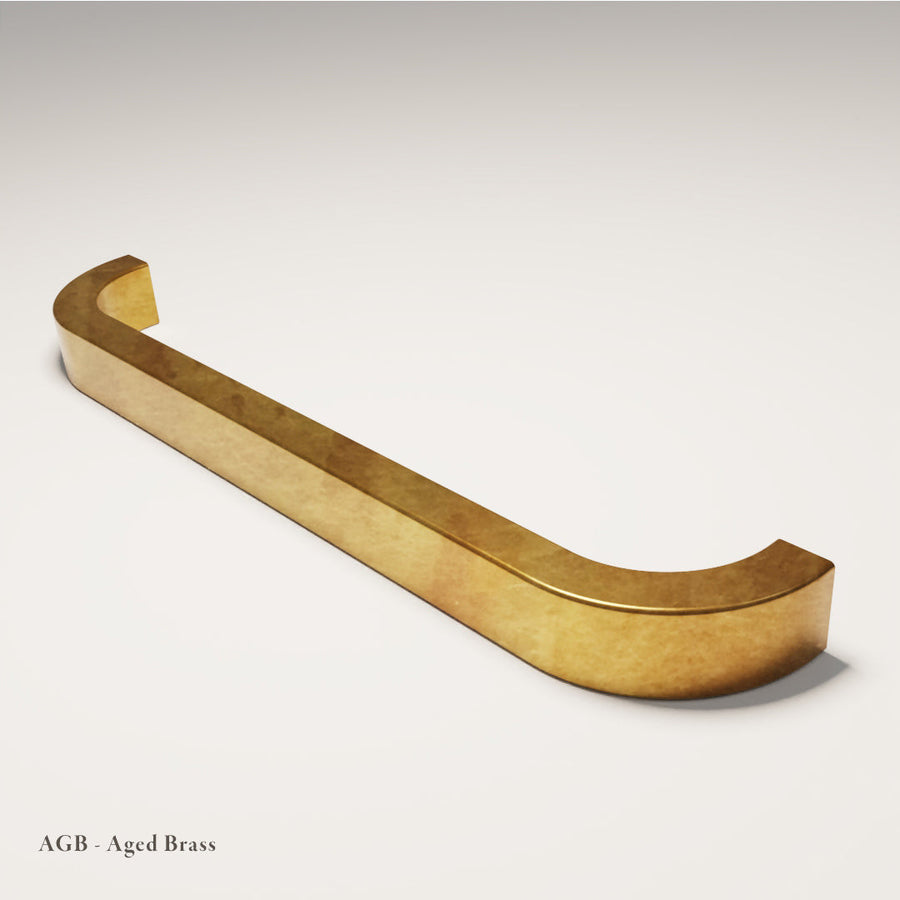
Brunswick cabinet handle for Chicago kitchens and Midwest luxury homes
Contemporary Classic

Brunswick

For kitchens, closets and whole-home projects requiring a calm handle family across smaller and larger cabinetry.

View Brunswick
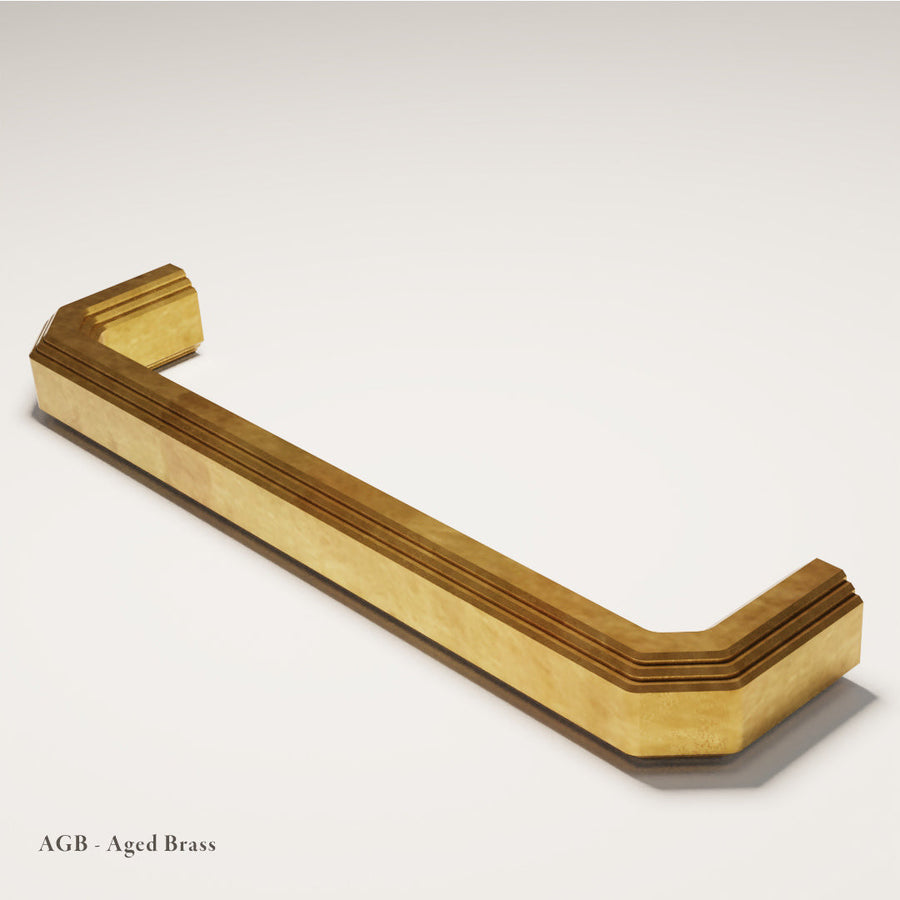
Harrington cabinet handle for traditional Chicago cabinetry
Georgian Heritage

Harrington

For inset kitchens, traditional millwork, libraries and period-sensitive interiors requiring restrained classical proportion.

View Harrington
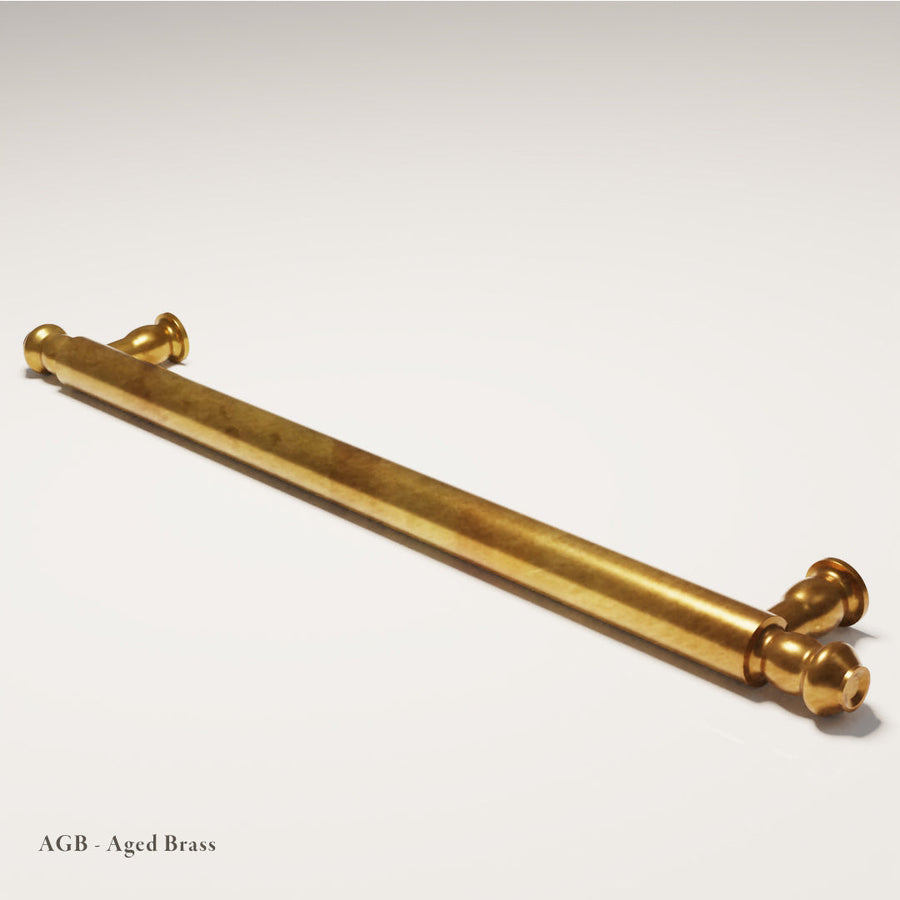
Farringdon cabinet handle for transitional Midwest cabinetry
Transitional

Farringdon

For shaker, inset and contemporary-classic cabinetry where a slimmer bridge between traditional and modern is needed.

View Farringdon
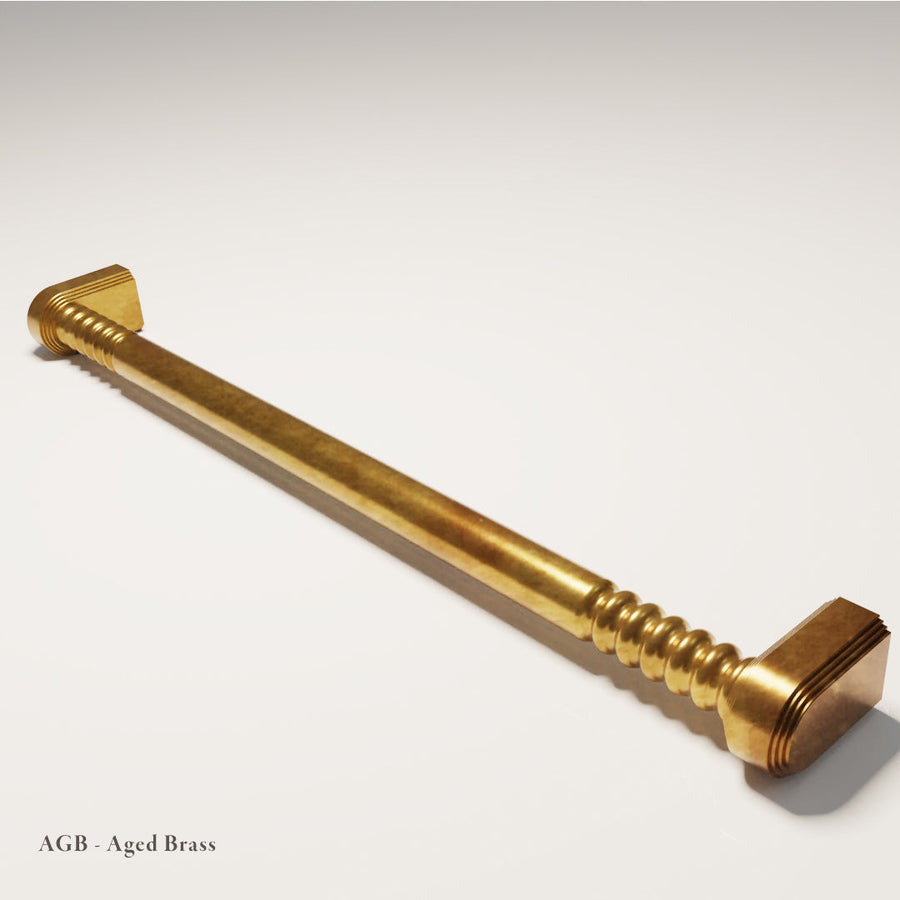
Egerton Art Deco cabinet pull for Chicago apartment and bar cabinetry
Art Deco

Egerton

For Chicago apartments, bars and feature cabinetry where a stronger geometric detail suits the architectural setting.

View Egerton
Renovation and replacement centers

Measure existing fixing holes before selecting replacement pulls

In renovation projects, the center-to-center dimension is the distance between the two existing fixing holes. It should not be confused with the overall length of the handle.

Record the existing drilling in millimeters or inches, confirm the cabinet condition and compare compatible products before ordering. Where the preferred design does not match the existing holes, submit the requirement for custom-center review.

Finish and material coordination

Review finishes against painted cabinetry, timber, stone and lighting

Chicago and Midwest interiors often combine painted inset cabinetry, walnut or darker timber, marble, limestone, appliance metal and layered artificial lighting. Approve the physical finish sample beside the actual project materials before made-to-order production.

Painted inset cabinetry

Check contrast and undertone

Warm brass, darker bronze, nickel-look and stainless routes can create very different levels of contrast against painted doors and frames.

Walnut and dark timber

Review the finish in room lighting

Dark timber can absorb visual contrast. Compare the sample under the actual daylight and evening lighting conditions.

Marble and limestone

Coordinate the complete palette

Review the hardware beside stone, cabinetry, appliance metal, plumbing finishes and decorative lighting rather than in isolation.

Before production

Chicago and Midwest cabinet hardware checklist

01

Apartment, townhouse or whole-home project type

02

Inset, face-frame, overlay or slab construction

03

New drilling or existing replacement holes

04

Center-to-center fixing dimensions

05

Overall pull length and visual proportion

06

Projection and circulation clearance

07

Appliance-panel construction and leverage

08

Hardware scale by room and cabinet type

09

Finish against paint, timber, stone and appliances

10

Physical finish-sample approval

11

Quantity by room and product size

12

Final Hardware Schedule before drilling

Mistakes to avoid

Common specification errors in Chicago and Midwest projects

Common error Why it matters Recommended route
Measuring overall length instead of fixing centers Replacement hardware may not fit the existing drilling even when the visible handle appears to be a similar size. Check the replacement matrix
Using oversized pulls on narrow inset fronts Hardware can dominate smaller doors, interfere with rails and stiles or create excessive projection. Compare hardware scale
Approving finishes in isolation Cabinet paint, dark timber, marble, appliances and room lighting all alter how the finish appears. Approve a physical sample
Managing each room without one schedule Products, sizes, finishes, centers and quantities can drift between the kitchen, pantry, bar, library and closets. Start a Hardware Schedule
Common questions

Questions about cabinet hardware for Chicago and Midwest homes

What hardware works best with inset kitchen cabinetry?

Cabinet knobs, cup pulls and refined pull handles can all work. The correct choice depends on the rail and stile position, drawer width, projection, fixing centers and architectural character.

How do I replace existing cabinet pulls without redrilling?

Measure the center-to-center distance between the existing fixing holes and compare it with the proposed product centers. Do not use the handle’s overall length as the drilling measure.

Should the kitchen, pantry and mudroom use the same hardware?

They can use the same collection and finish while varying the hardware type or size to suit each cabinet front and room function.

Can Capramont review a renovation or whole-home package?

Yes. Send drawings, existing centers, door and drawer counts, appliance-panel details, preferred collections and finish direction before drilling or production.

Your Chicago or Midwest project

Review the hardware before drilling or production

Send kitchen, pantry, bar, library, mudroom, closet and appliance-panel drawings with existing or proposed centers, quantities and finish references. Capramont & Co can review hardware scale, replacement centers, custom centers, finish samples and Hardware Schedule requirements.

Continue your project

US cabinet hardware guides and project support

Prepared by Capramont & Co

Capramont & Co designs and manufactures made-to-order cabinet hardware in England, supported by more than four decades of precision engineering and manufacturing experience. Project recommendations remain subject to the exact cabinetry, existing or proposed drilling, drawings, materials and physical finish approval.