

Small details are capable of great character.
Cabinet knobs lend proportion, tactility and finishing character to drawers and doors. Explore coordinated forms for bespoke furniture and fitted cabinetry.
Made to order in England for architectural millwork for townhouses, apartments and high-end residential interiors across the United States.
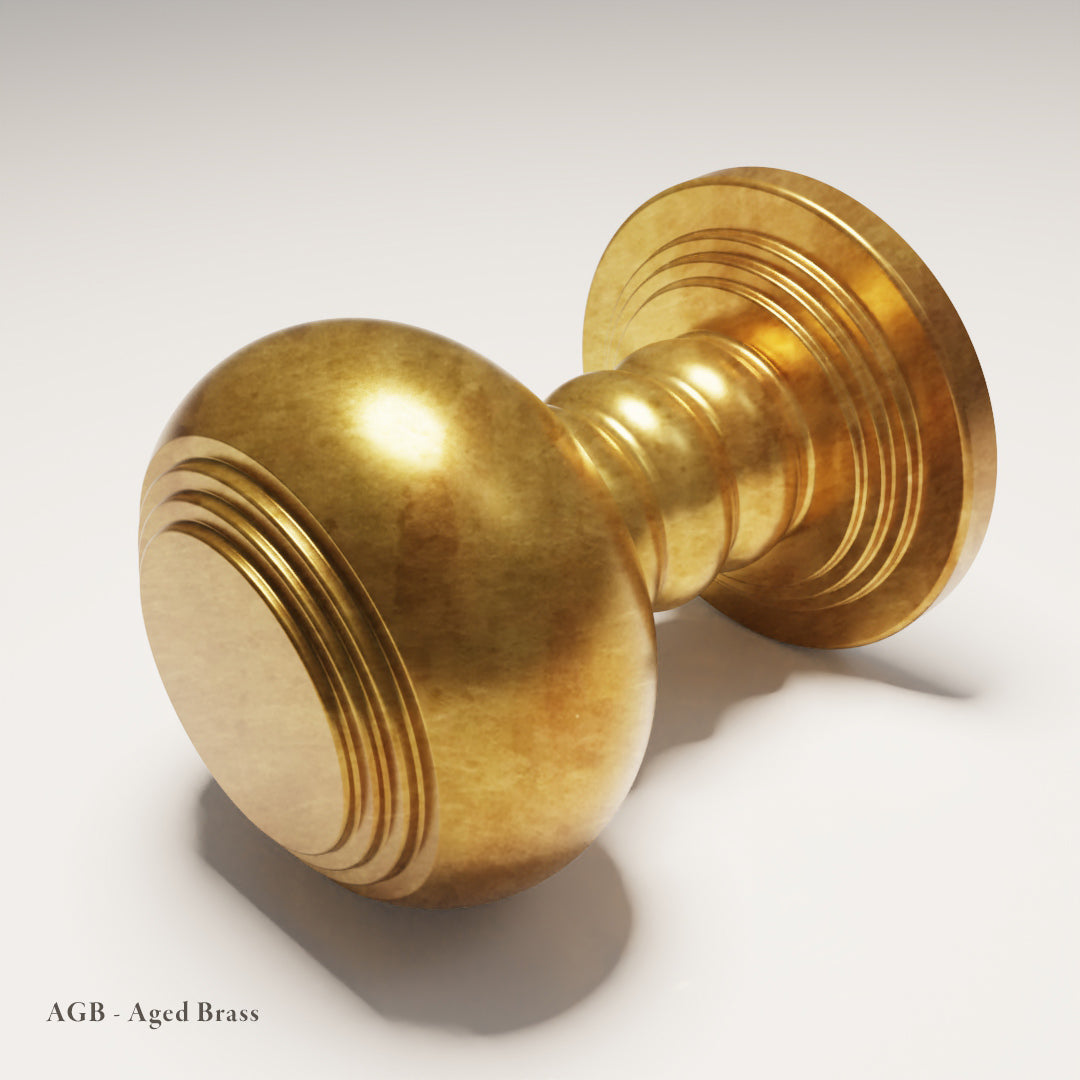
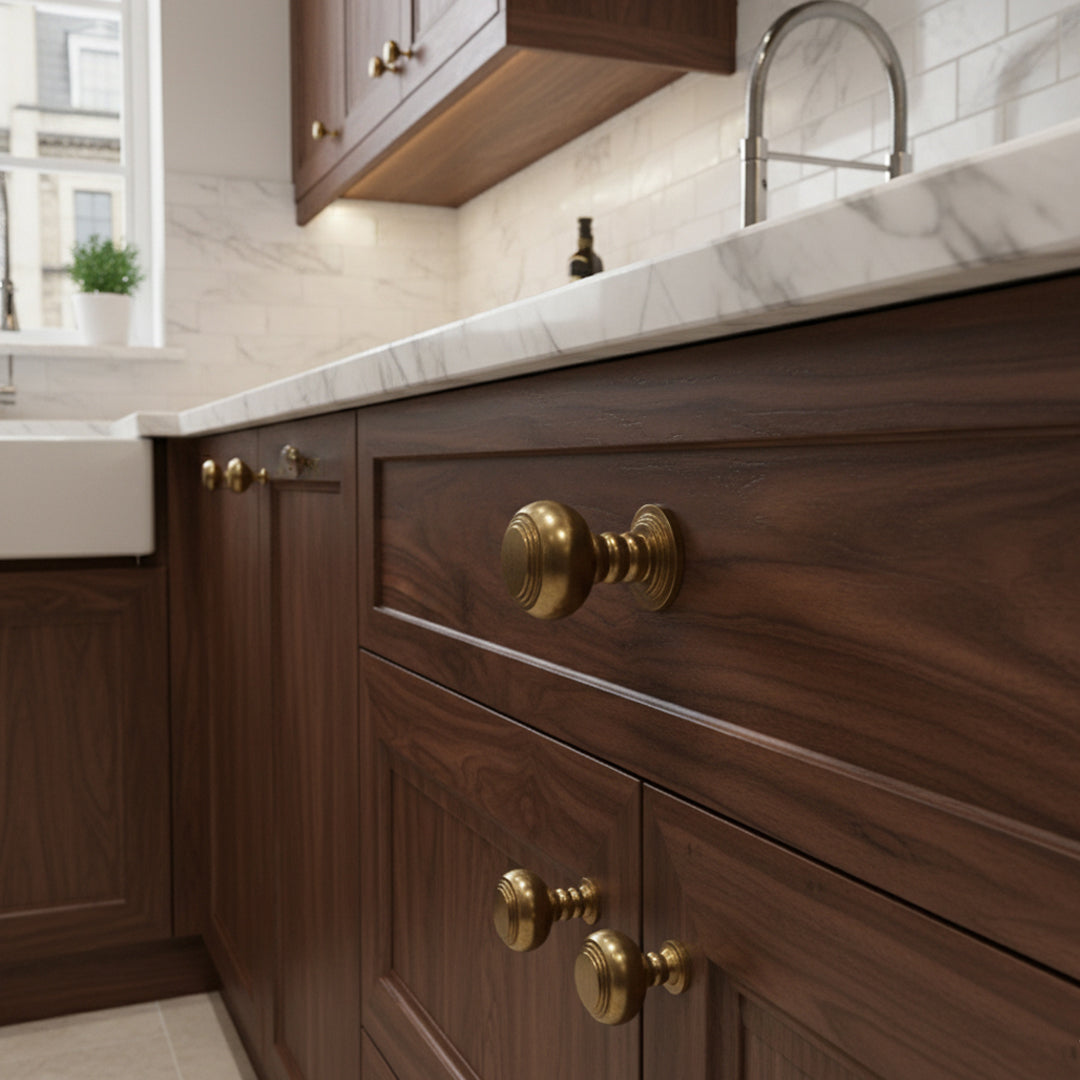
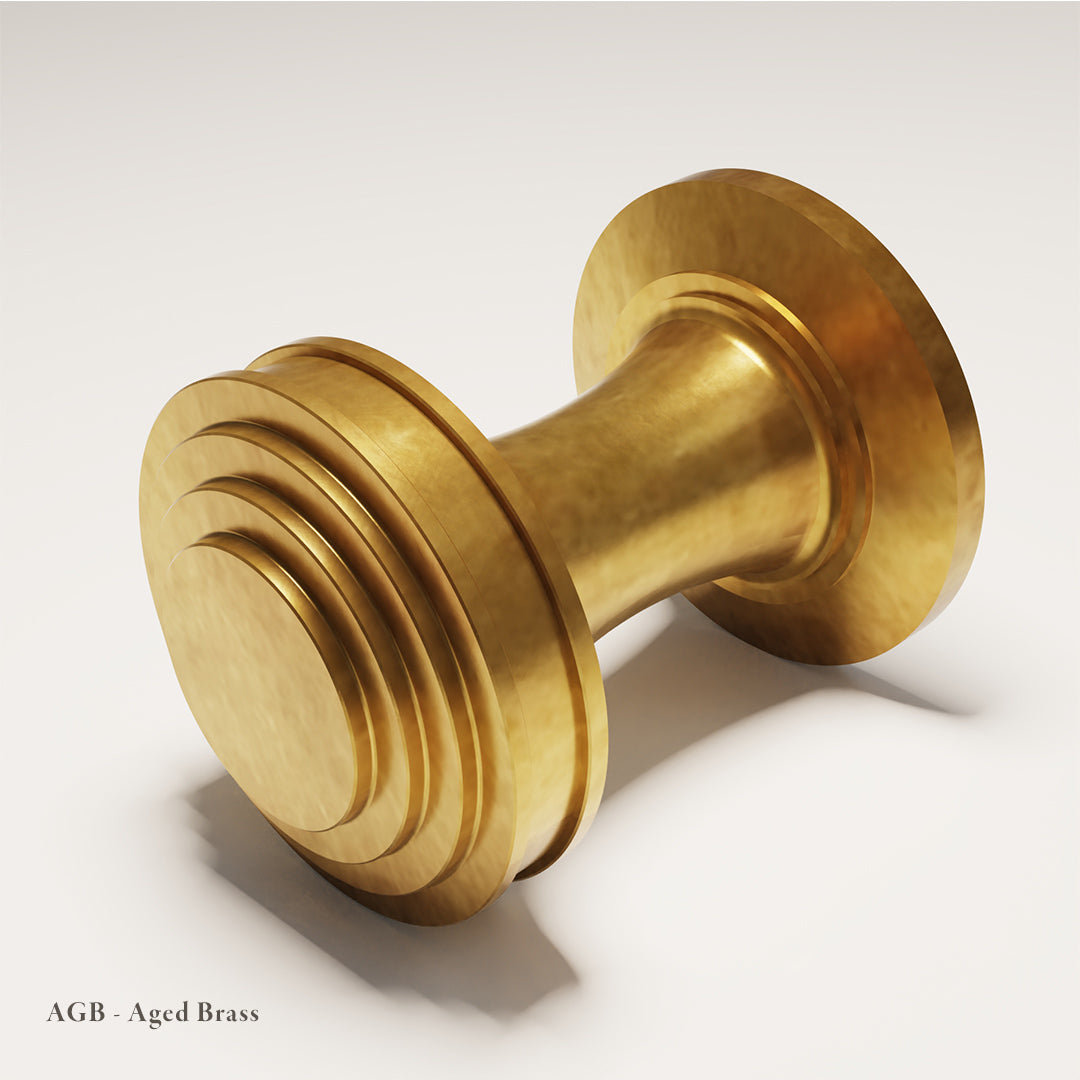
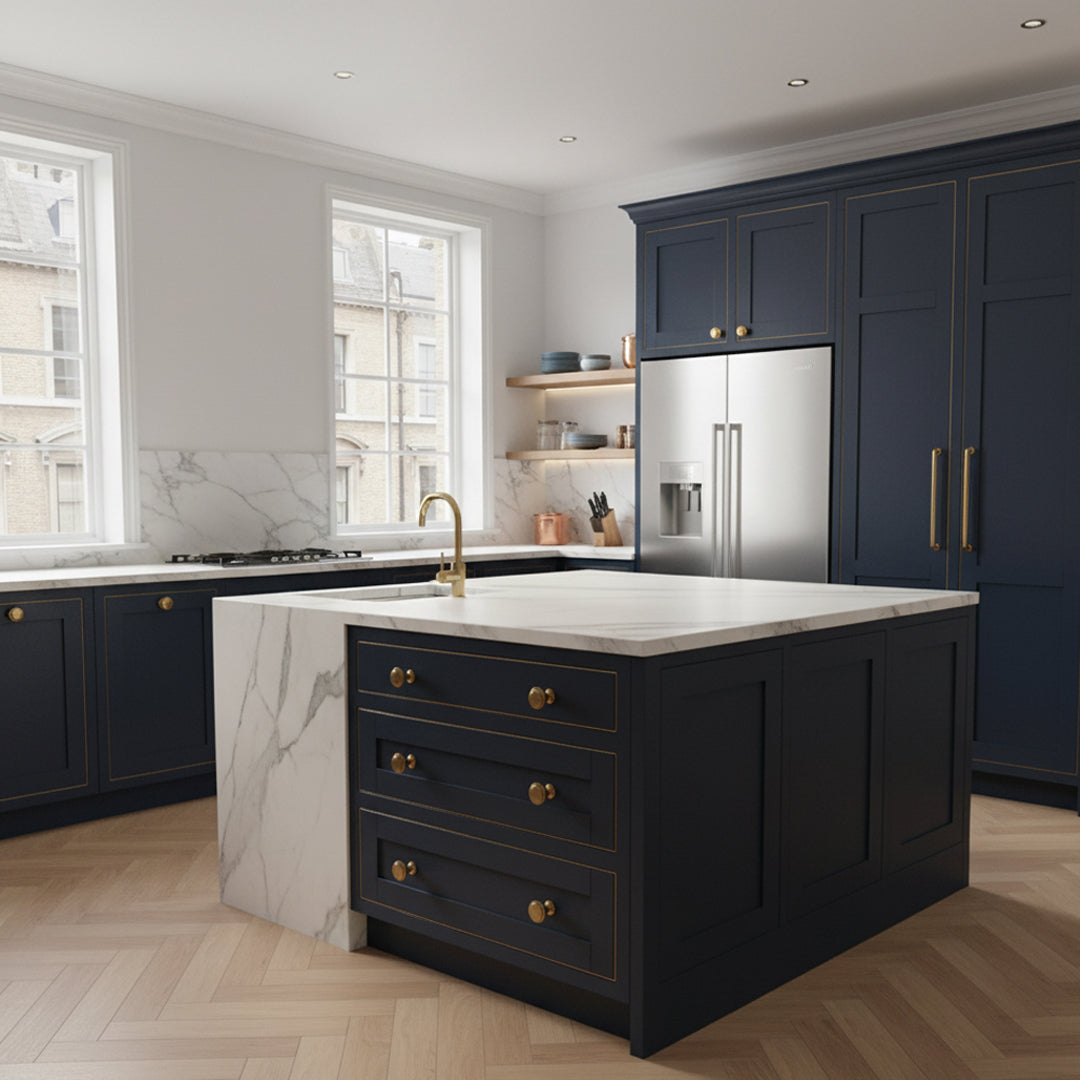
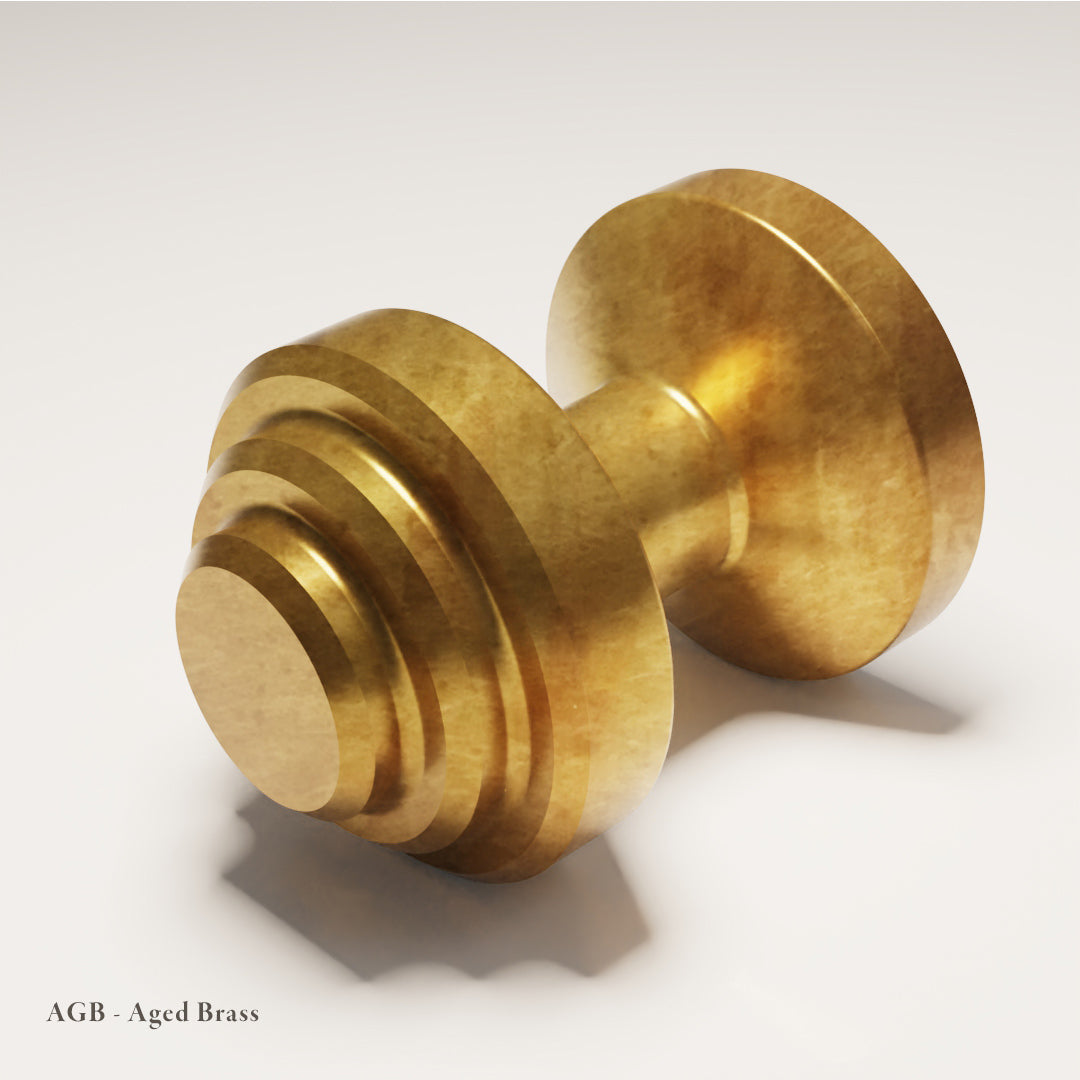

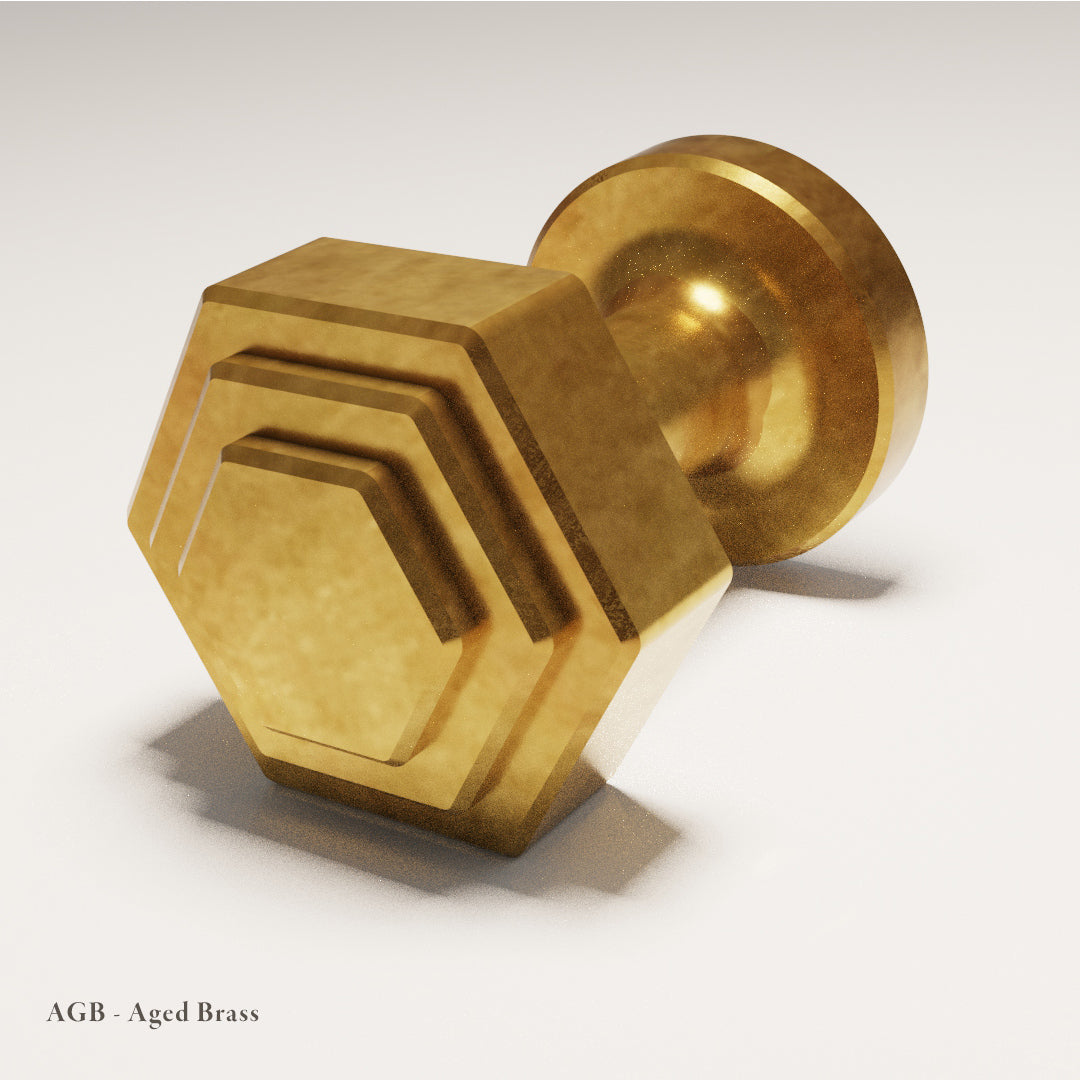
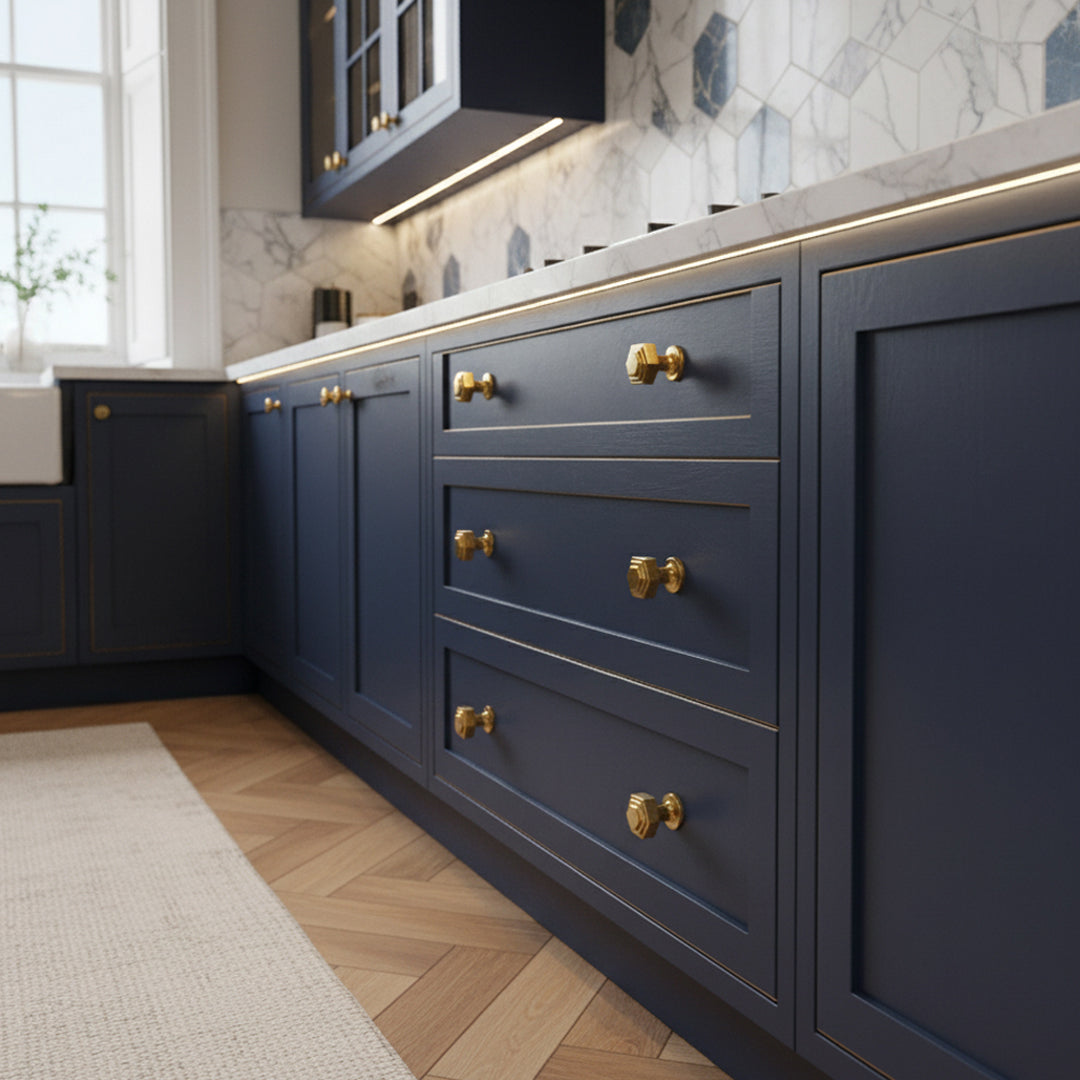
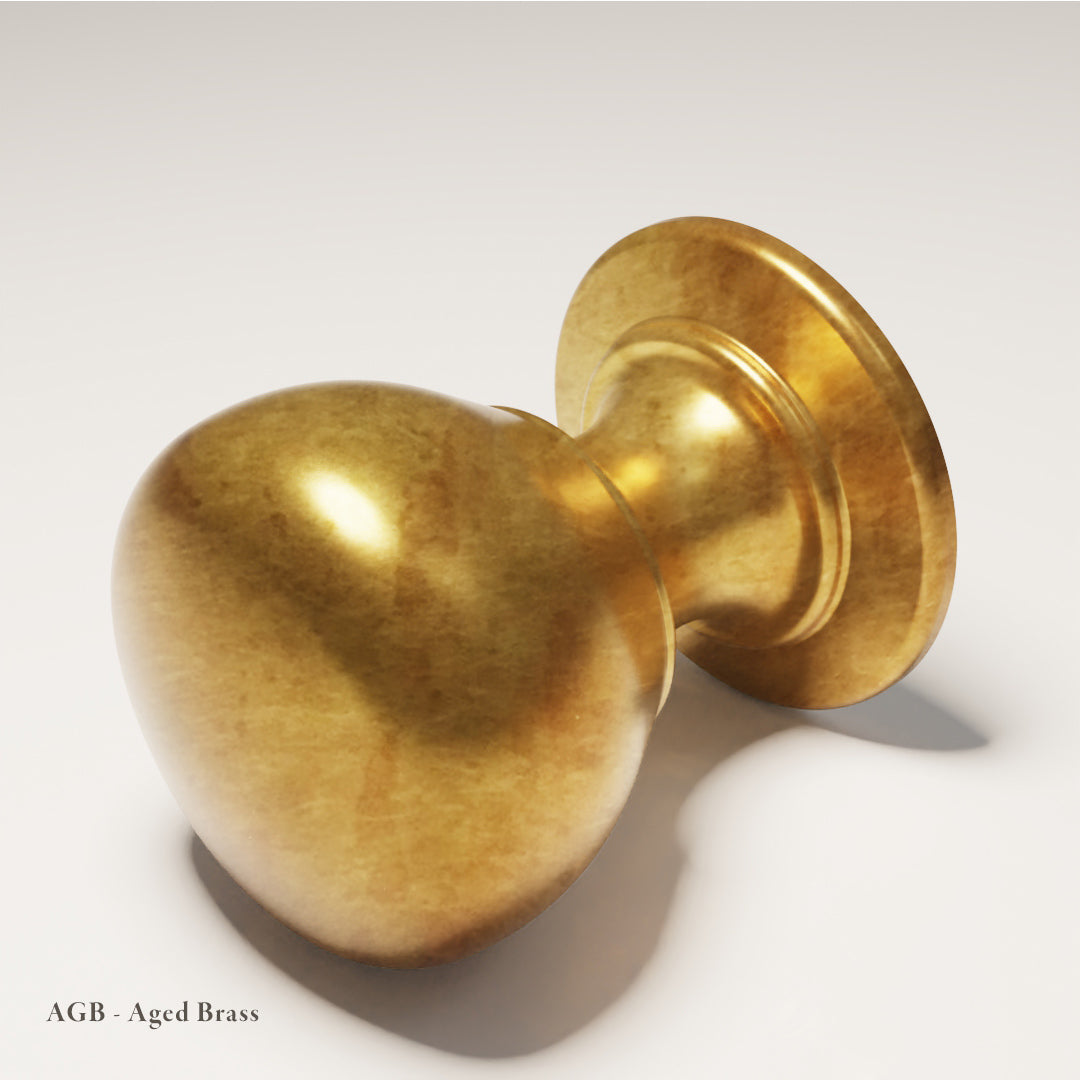
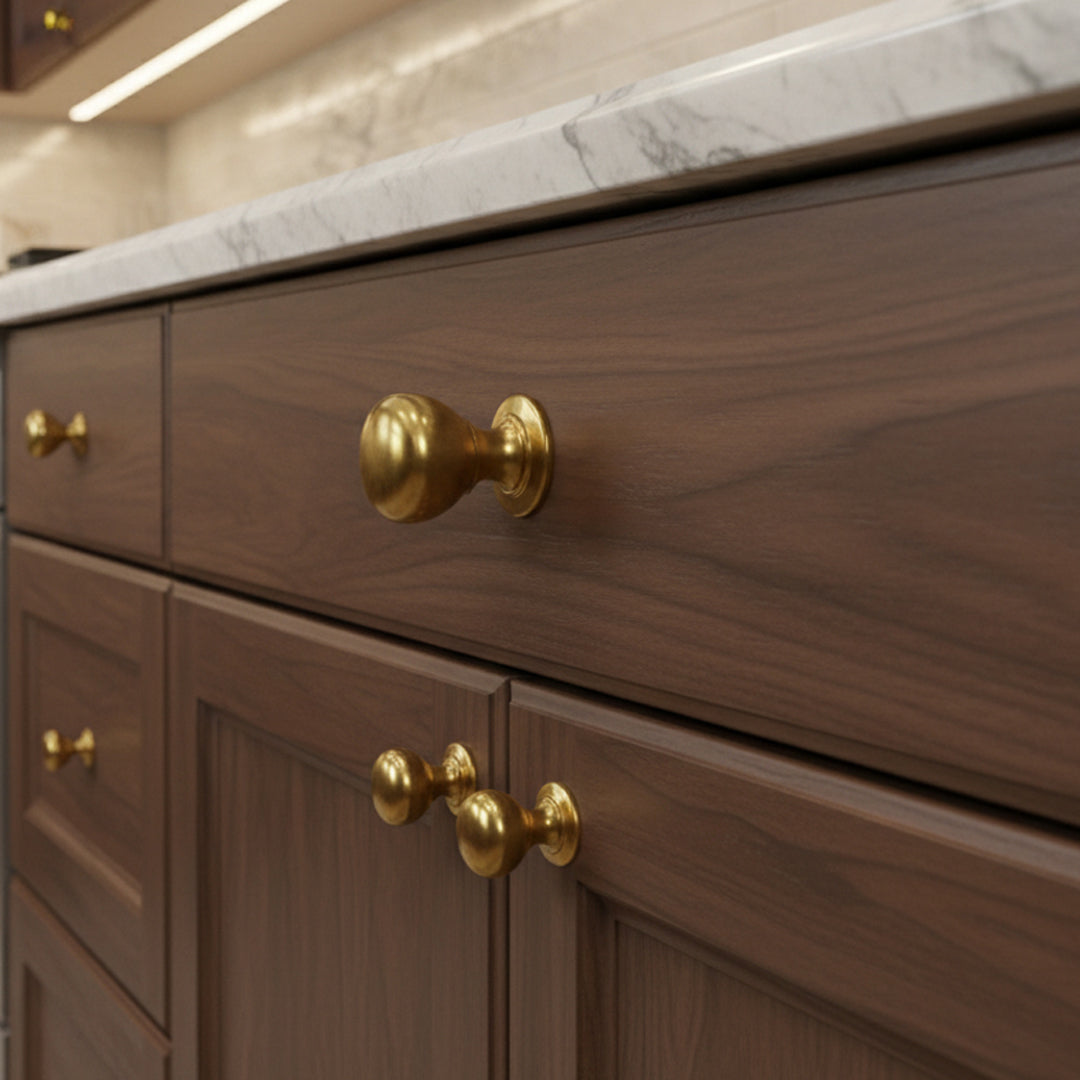
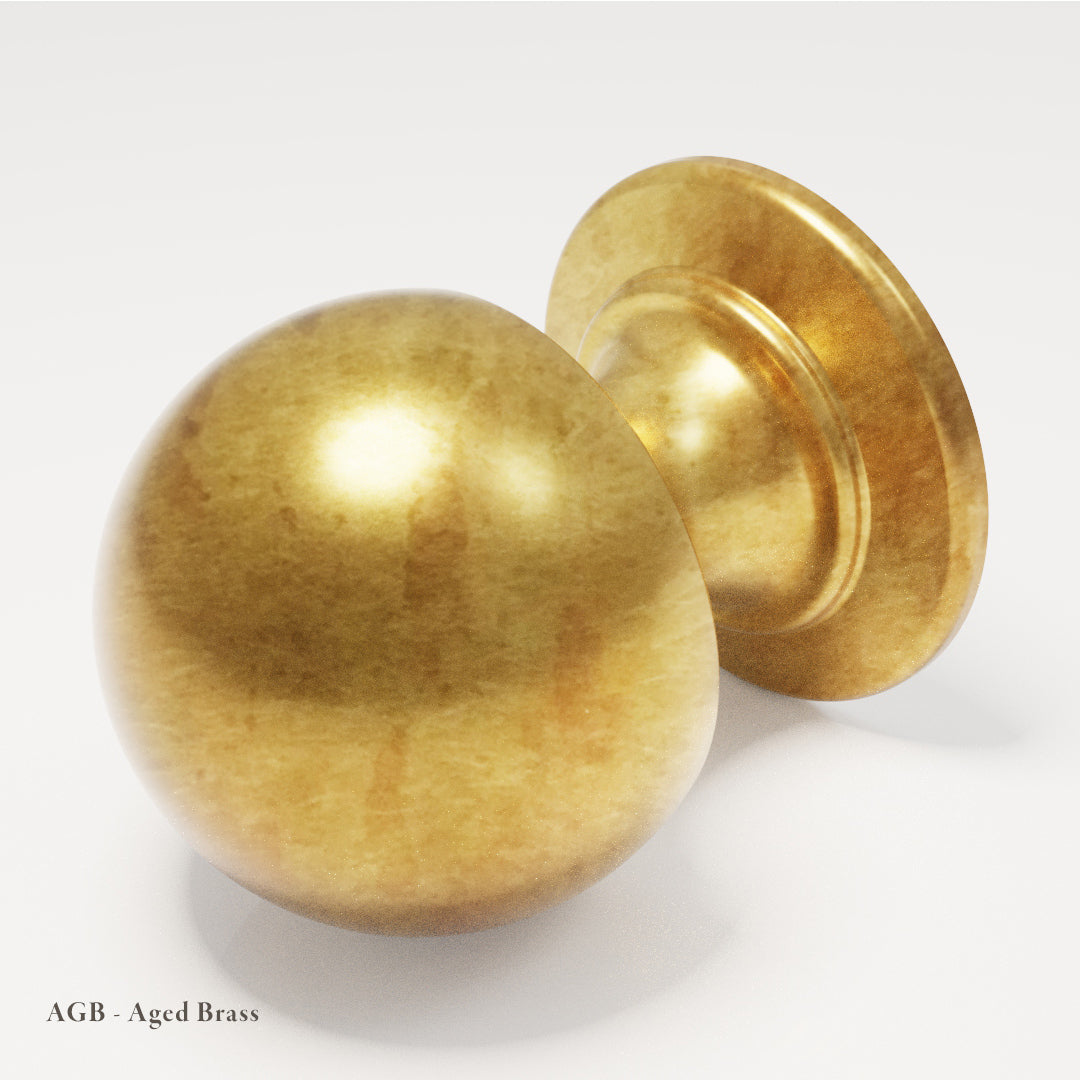
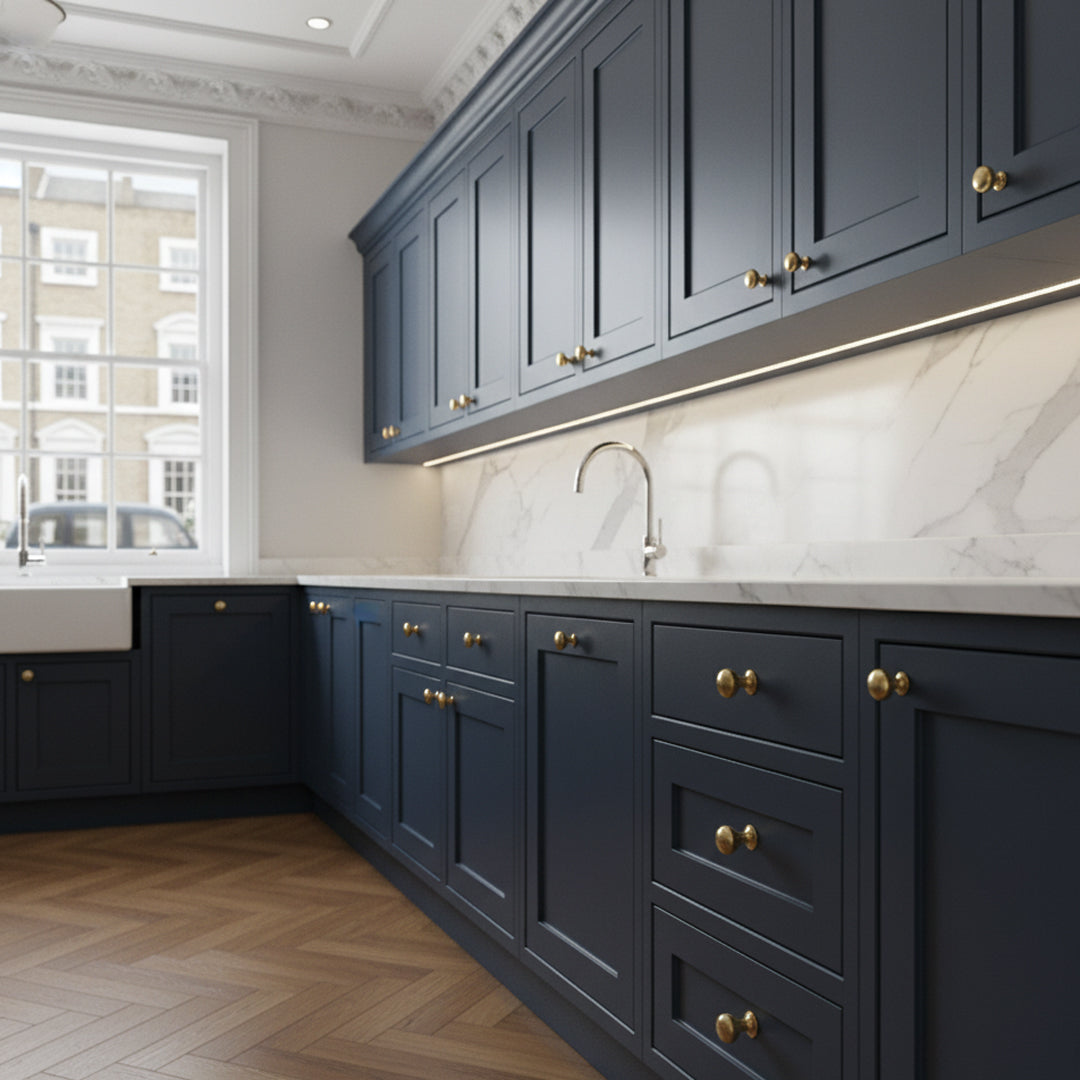
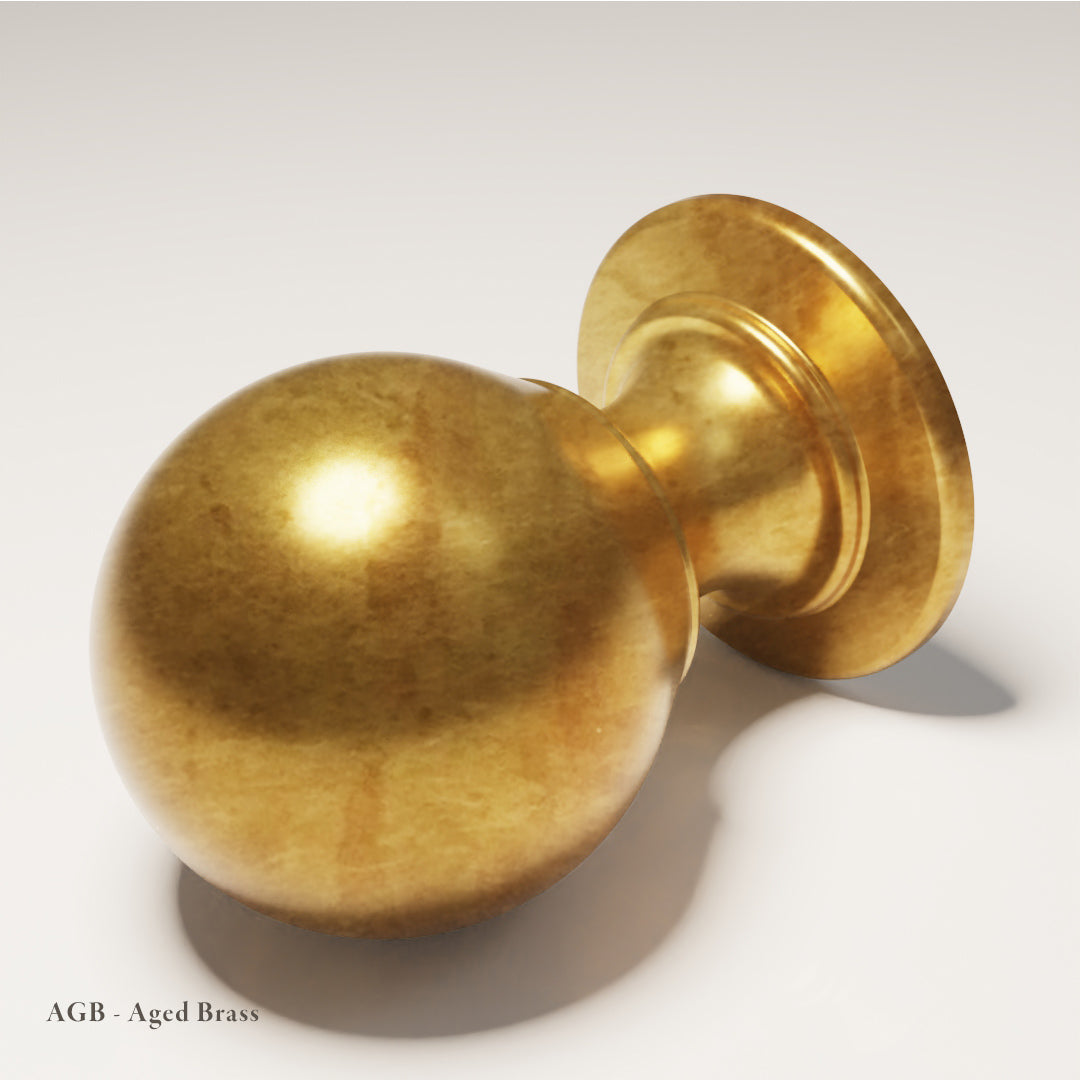
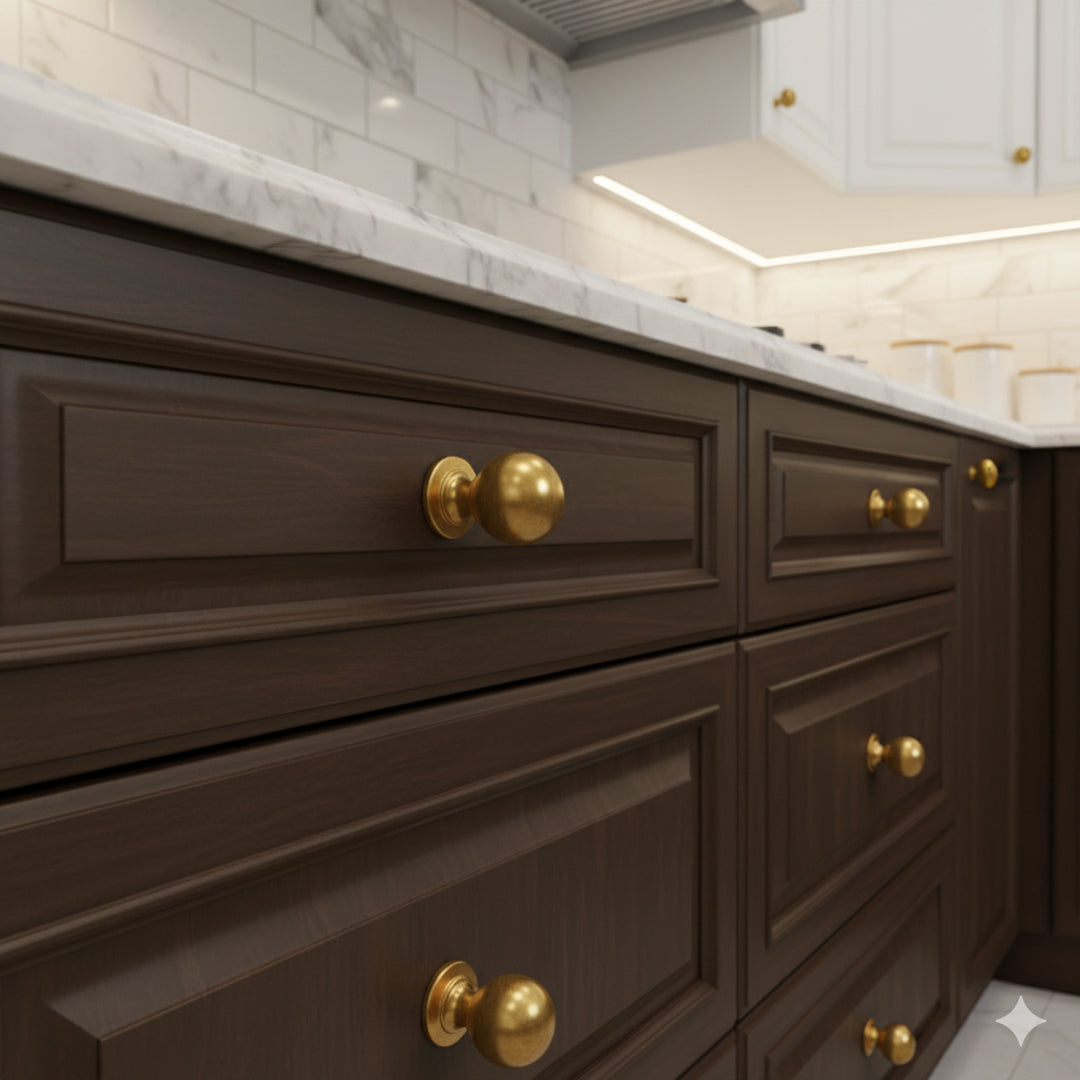
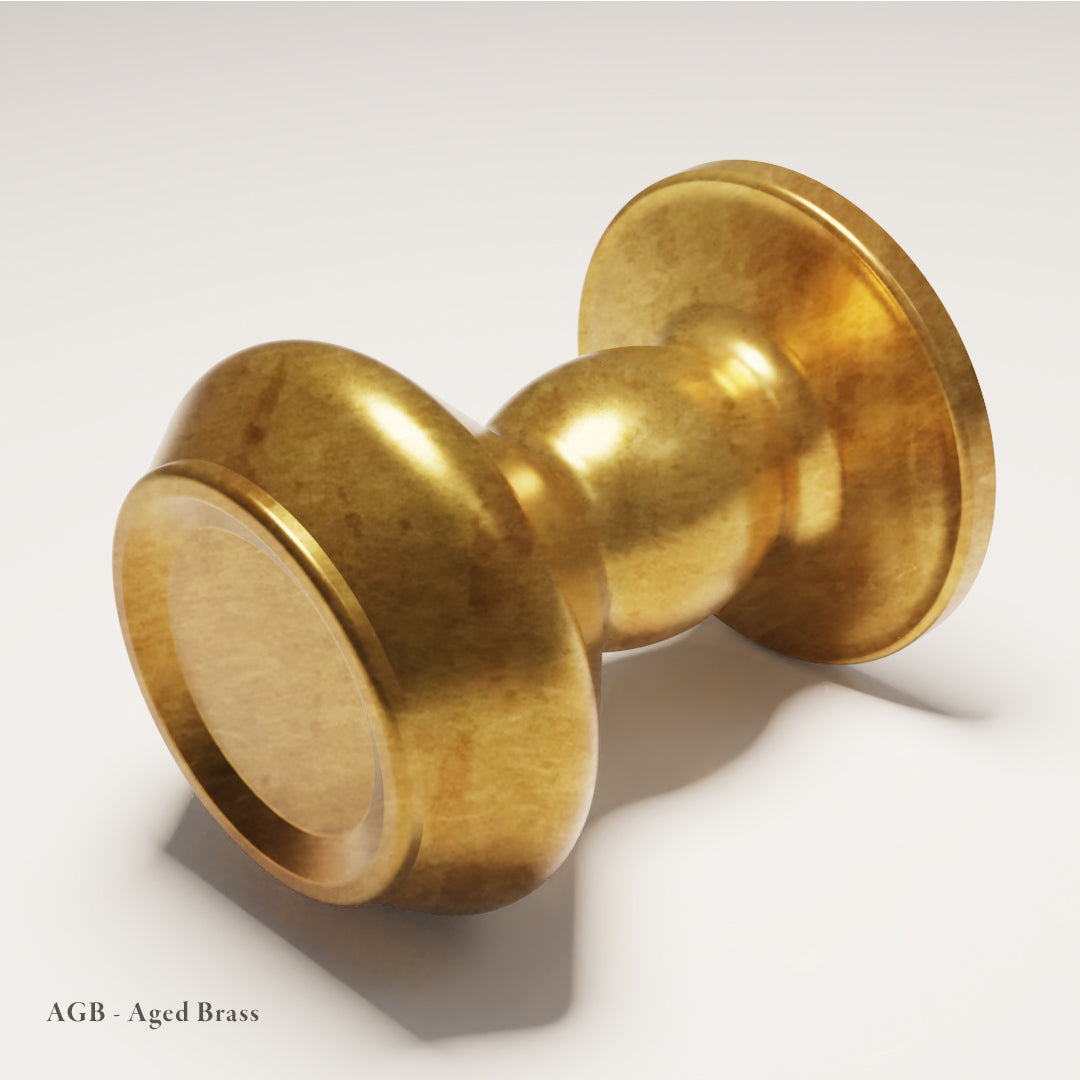
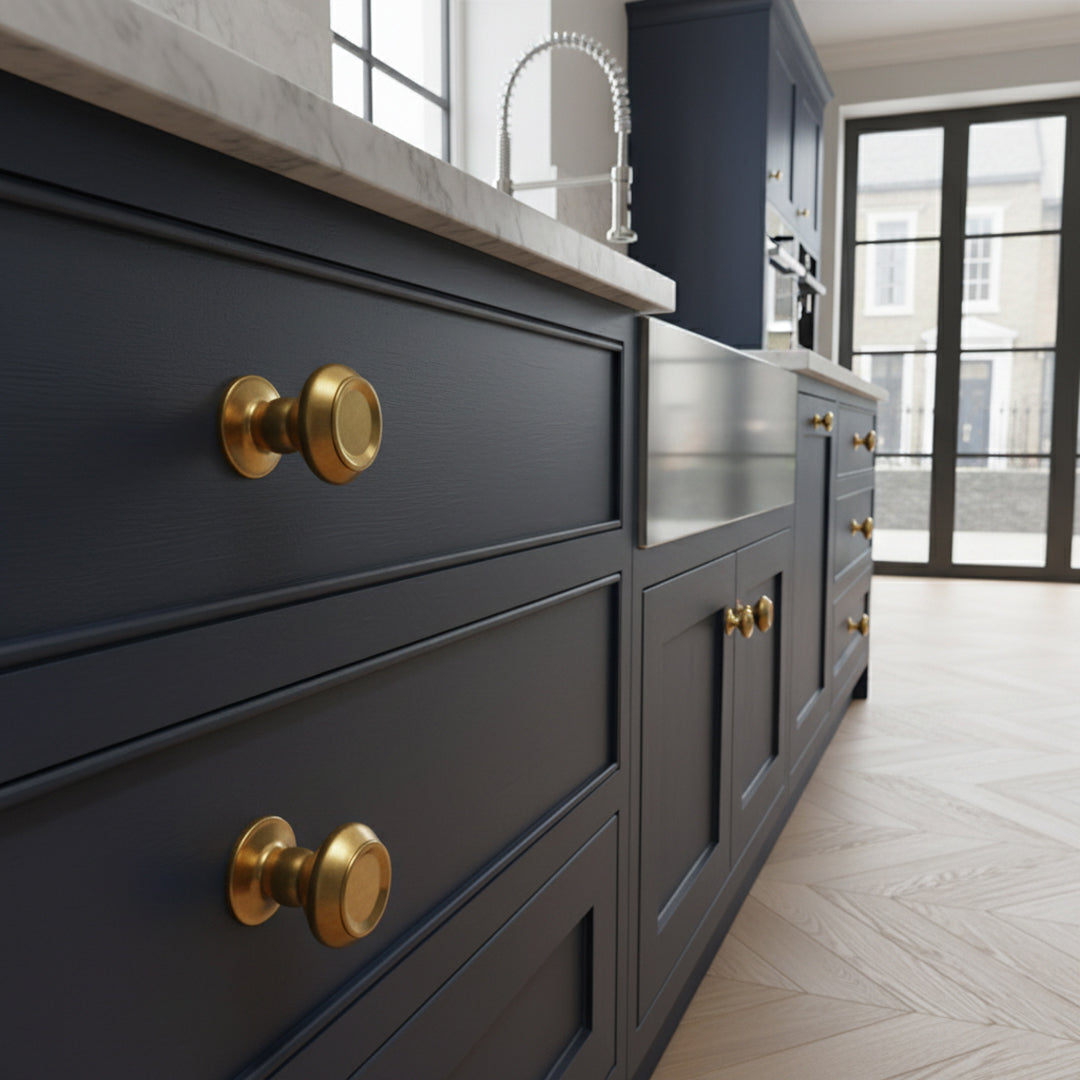
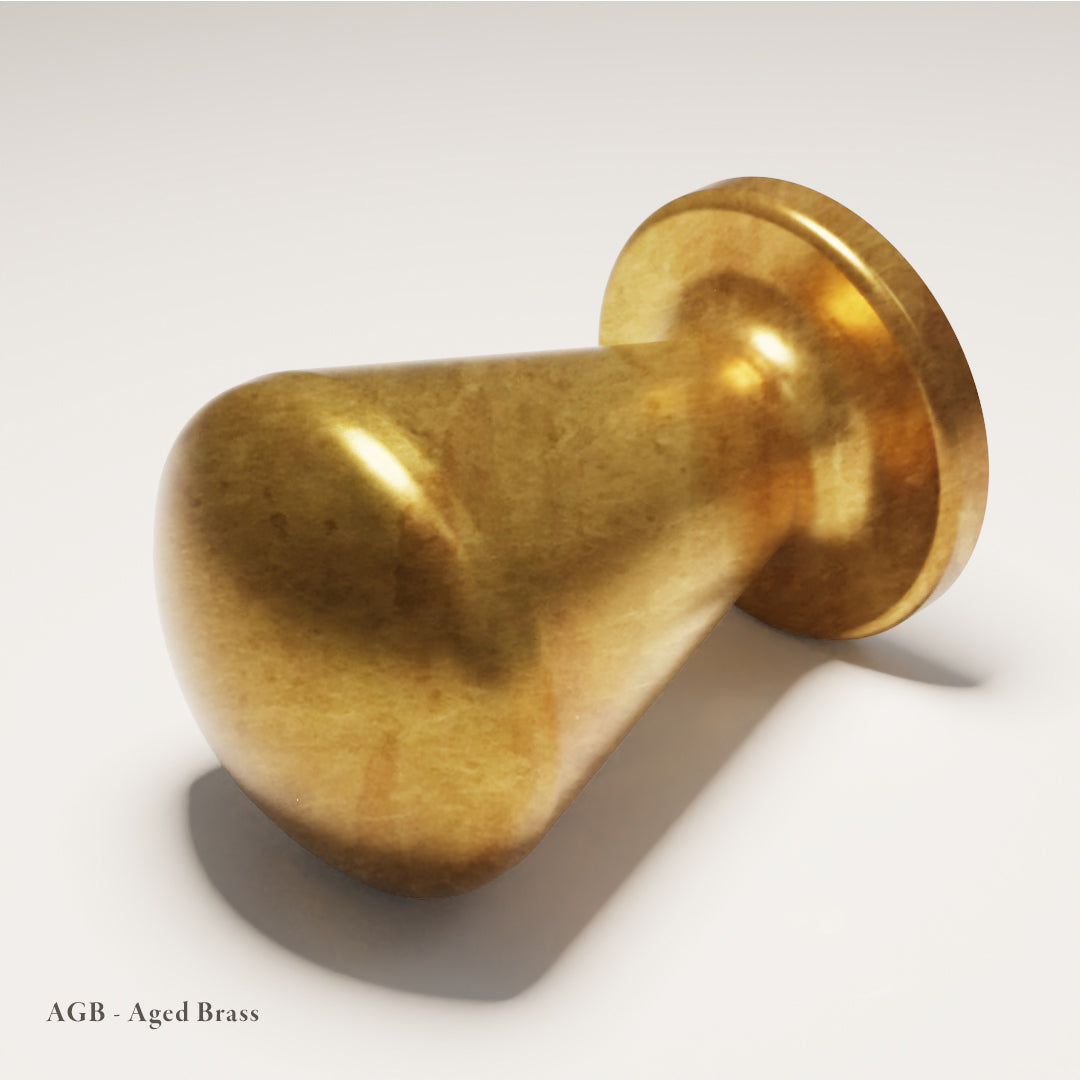
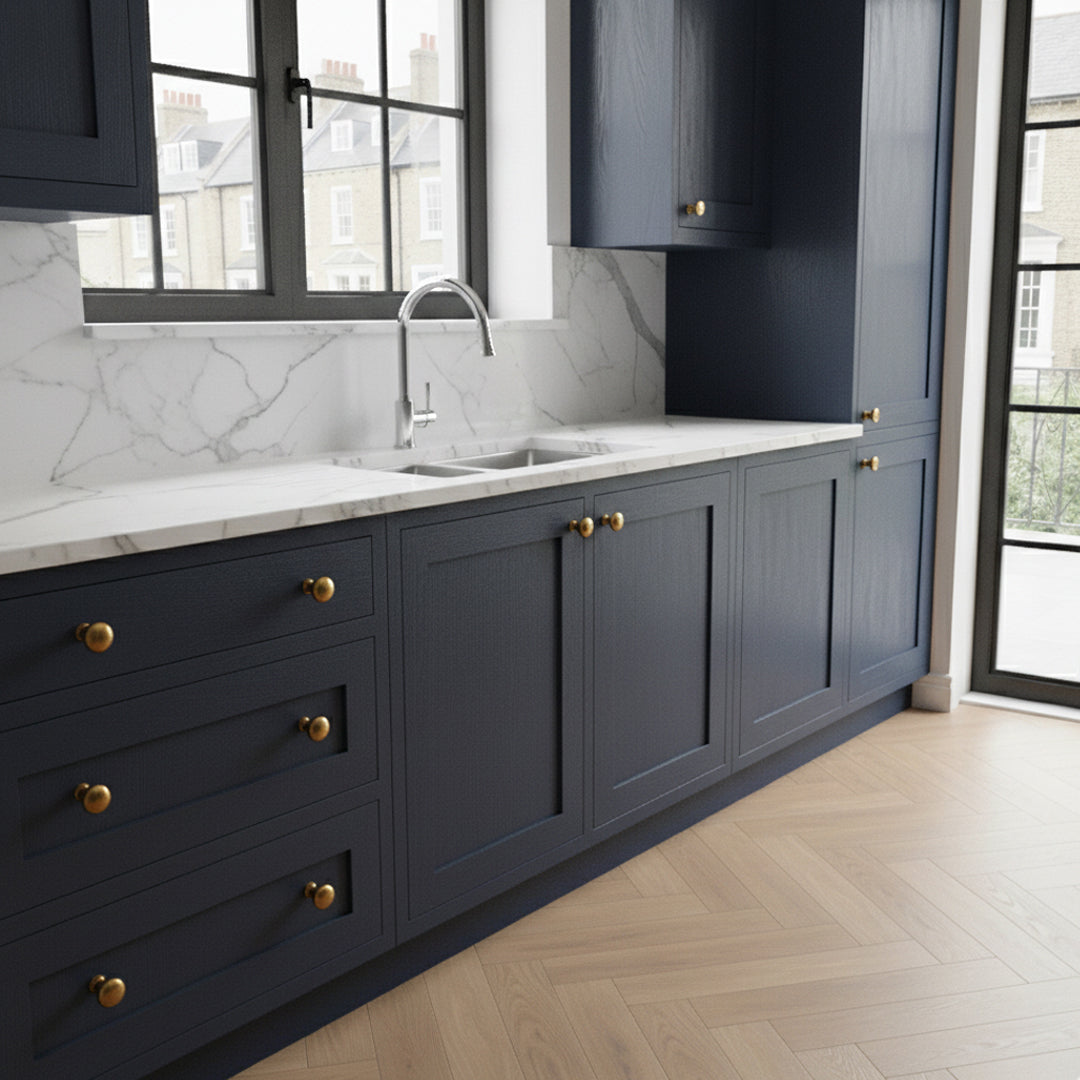
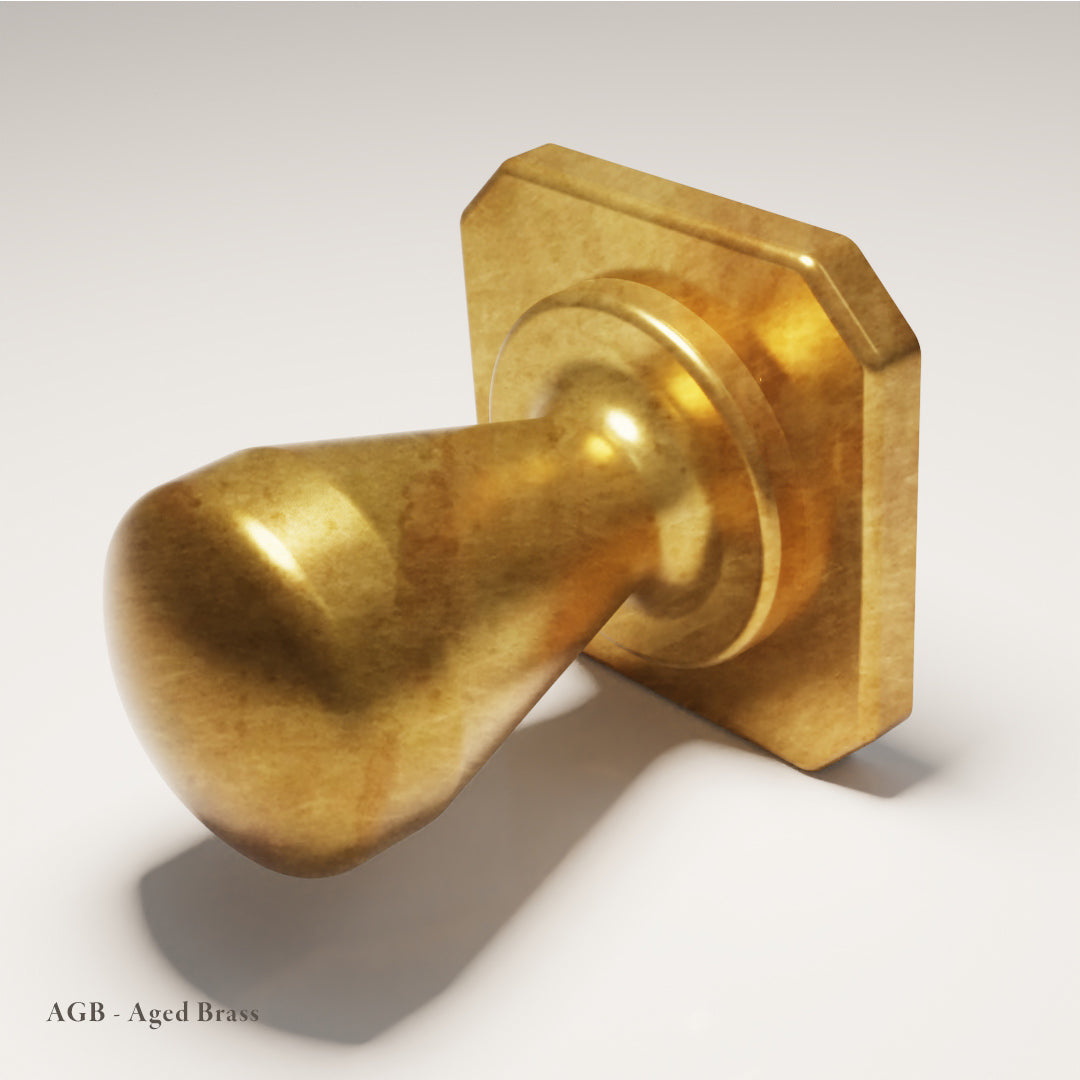
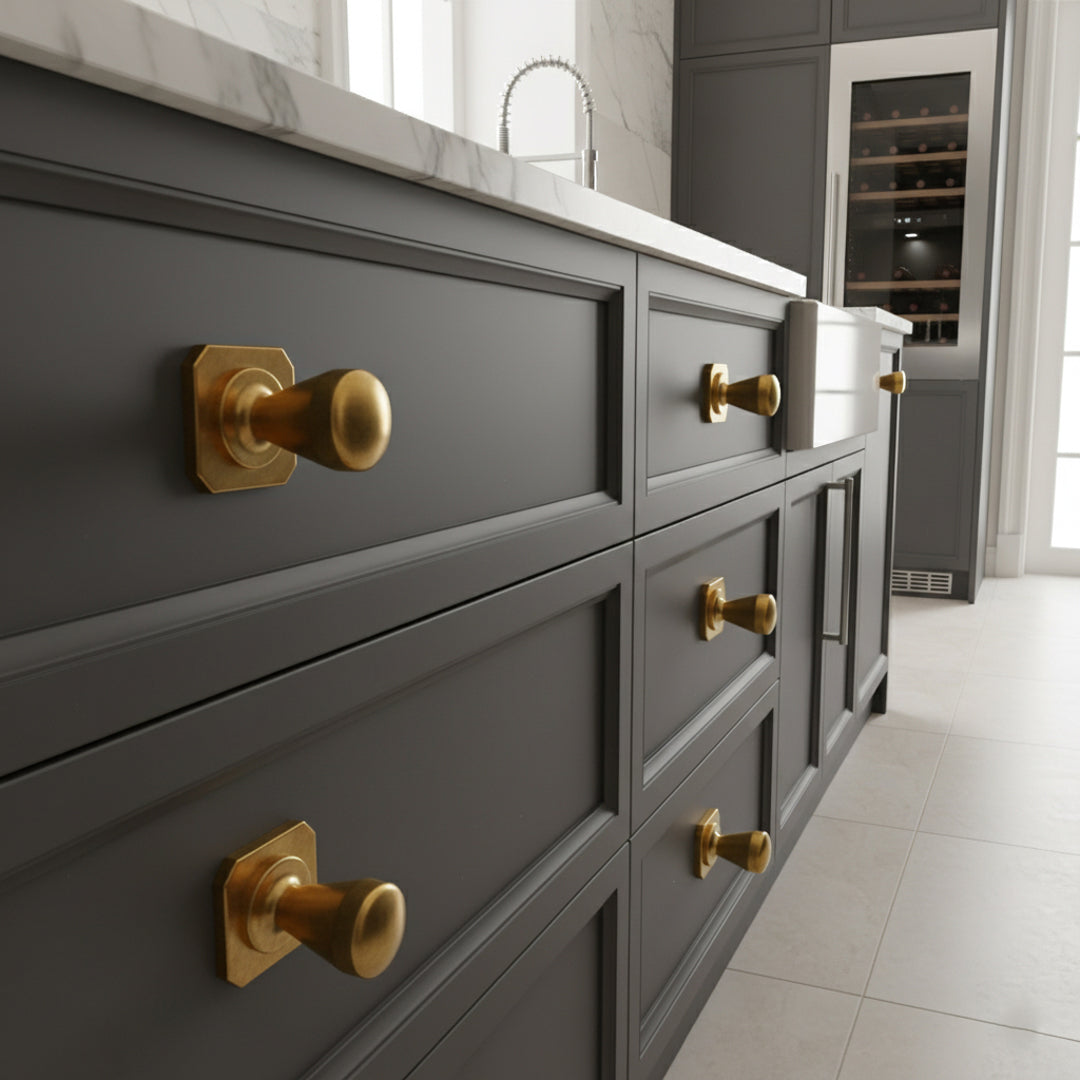
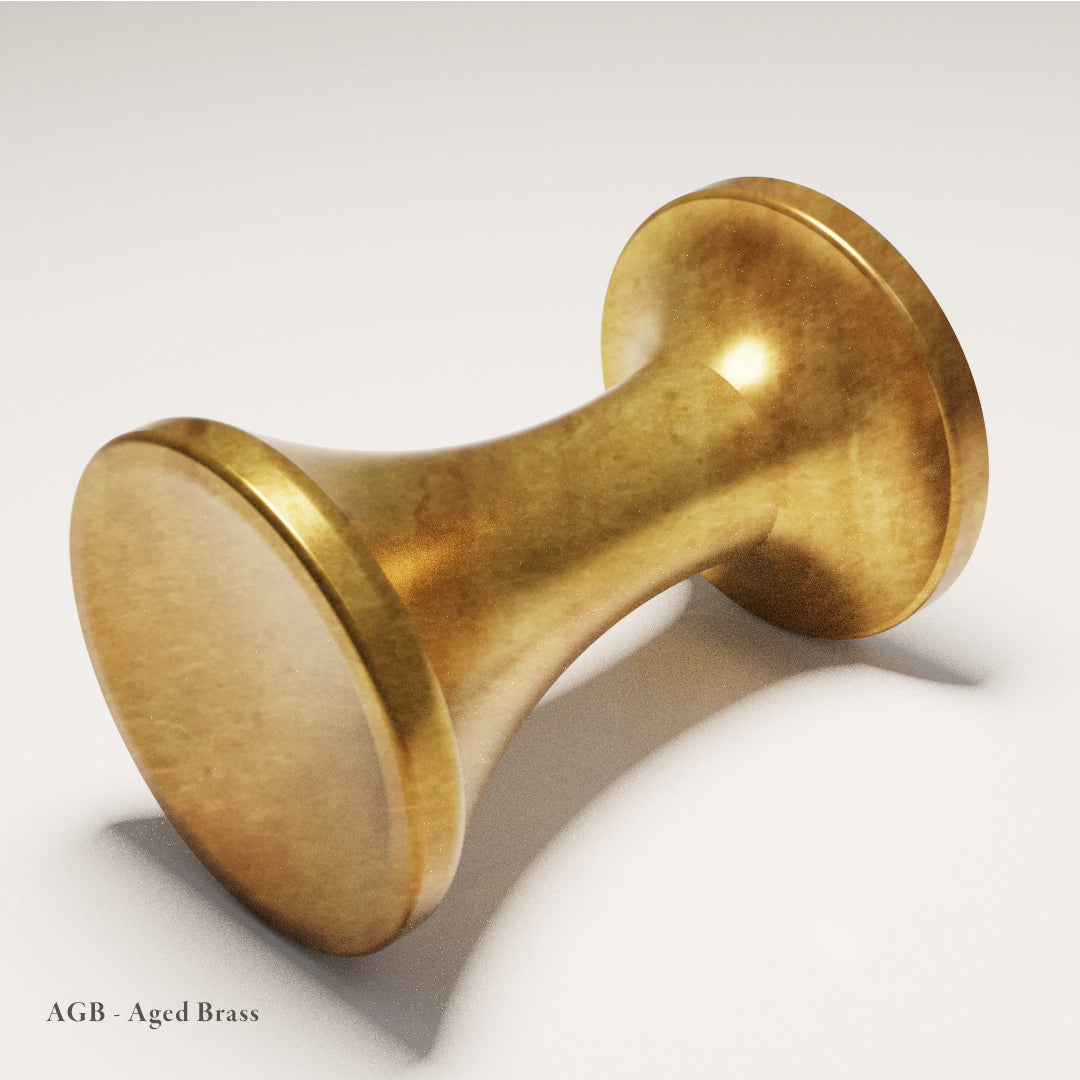
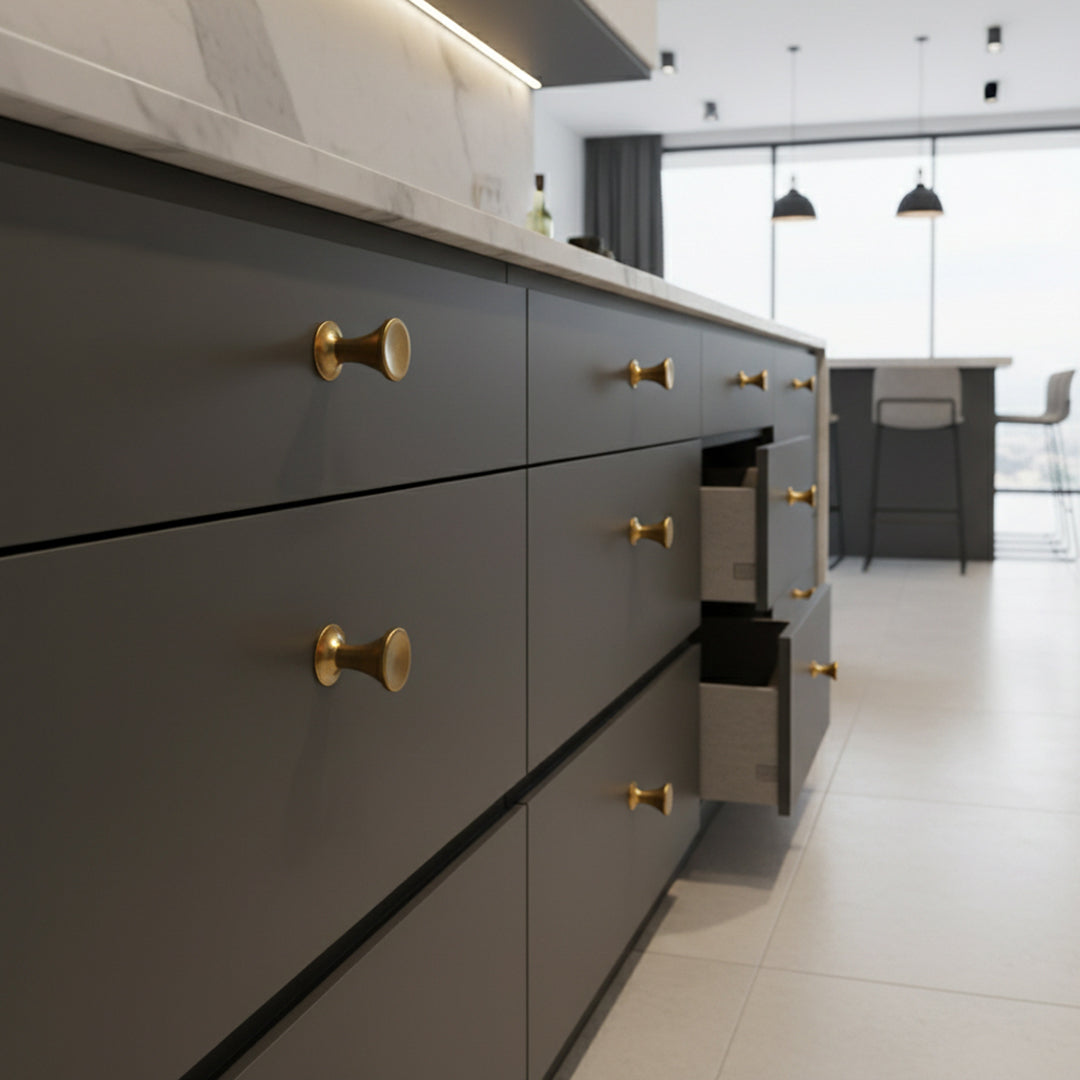
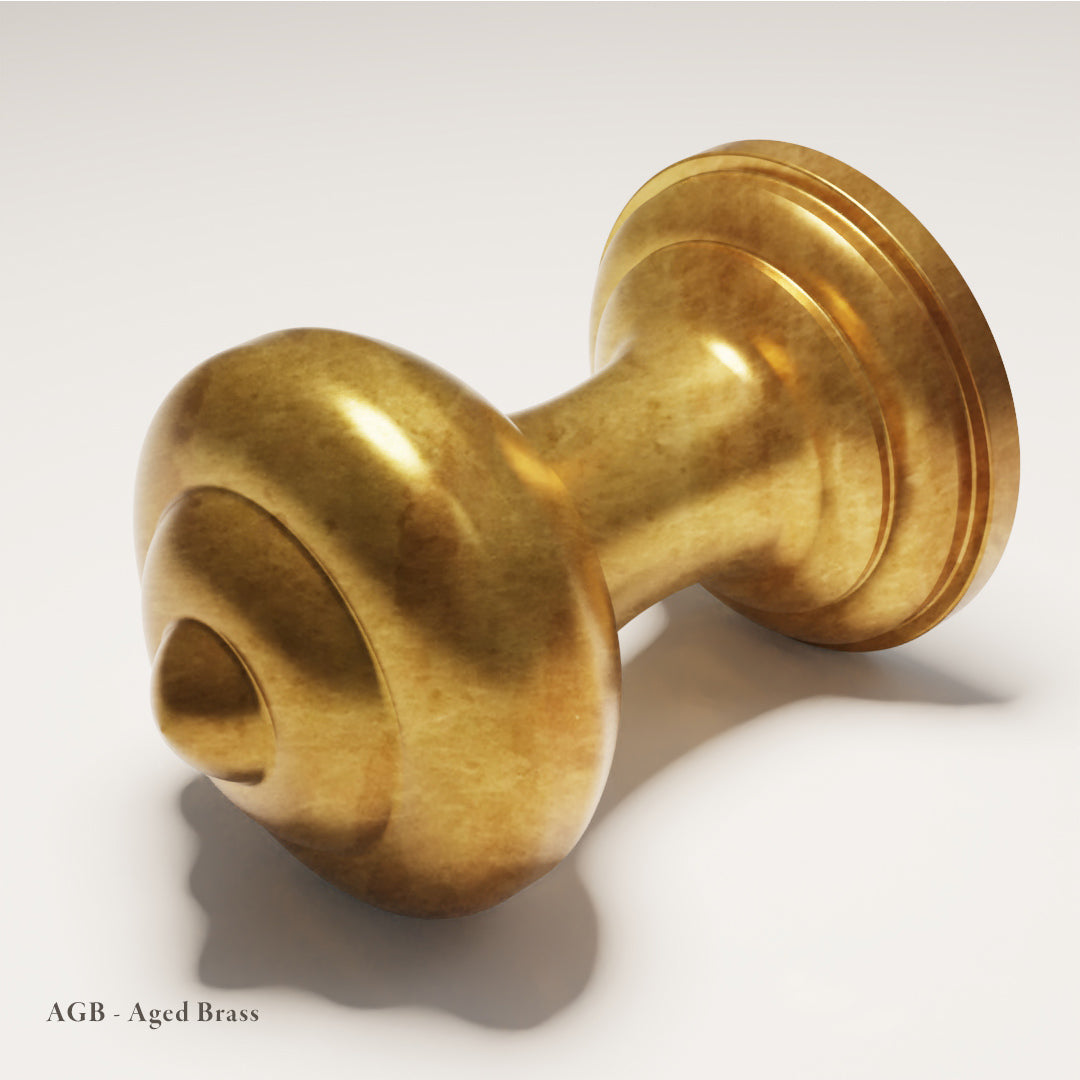
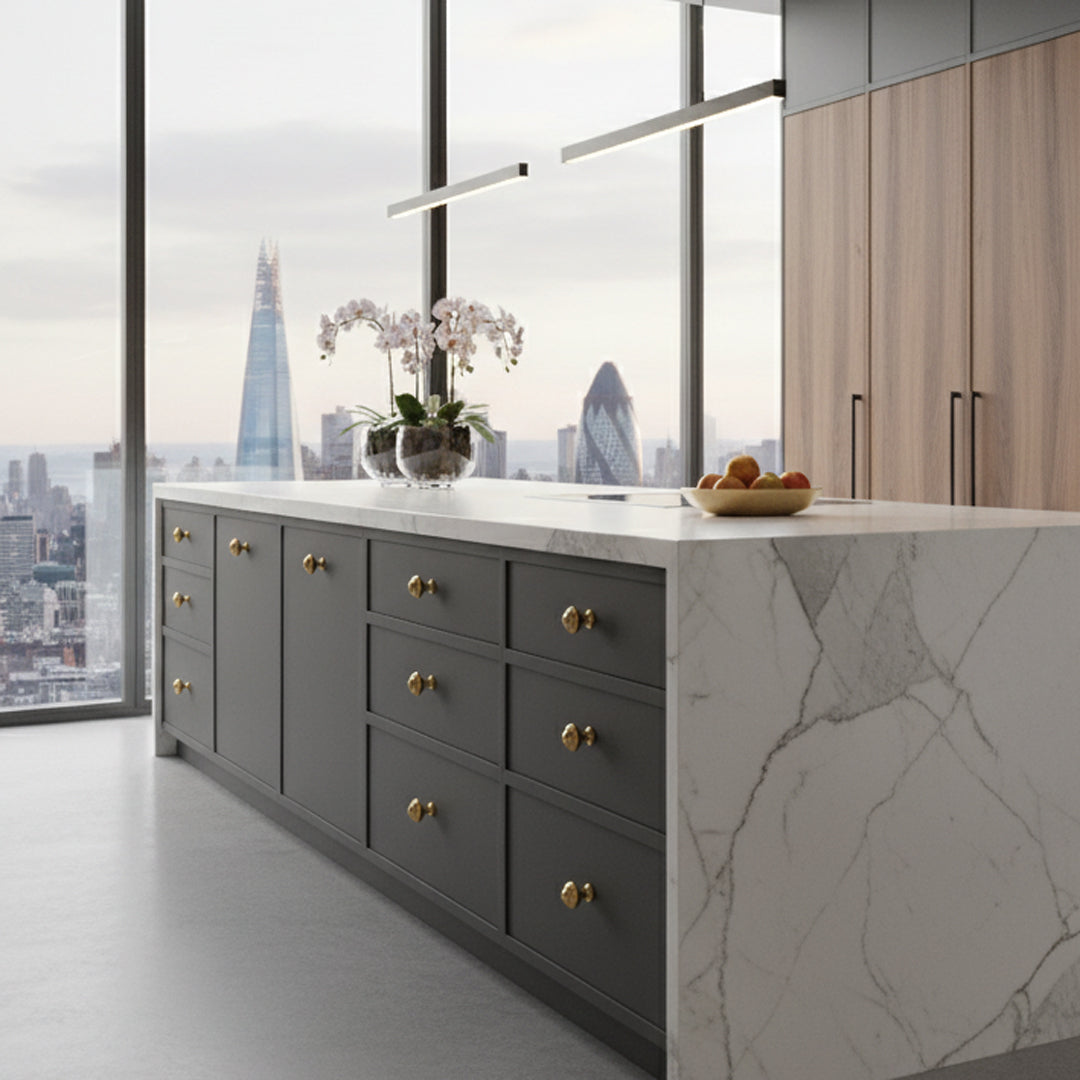
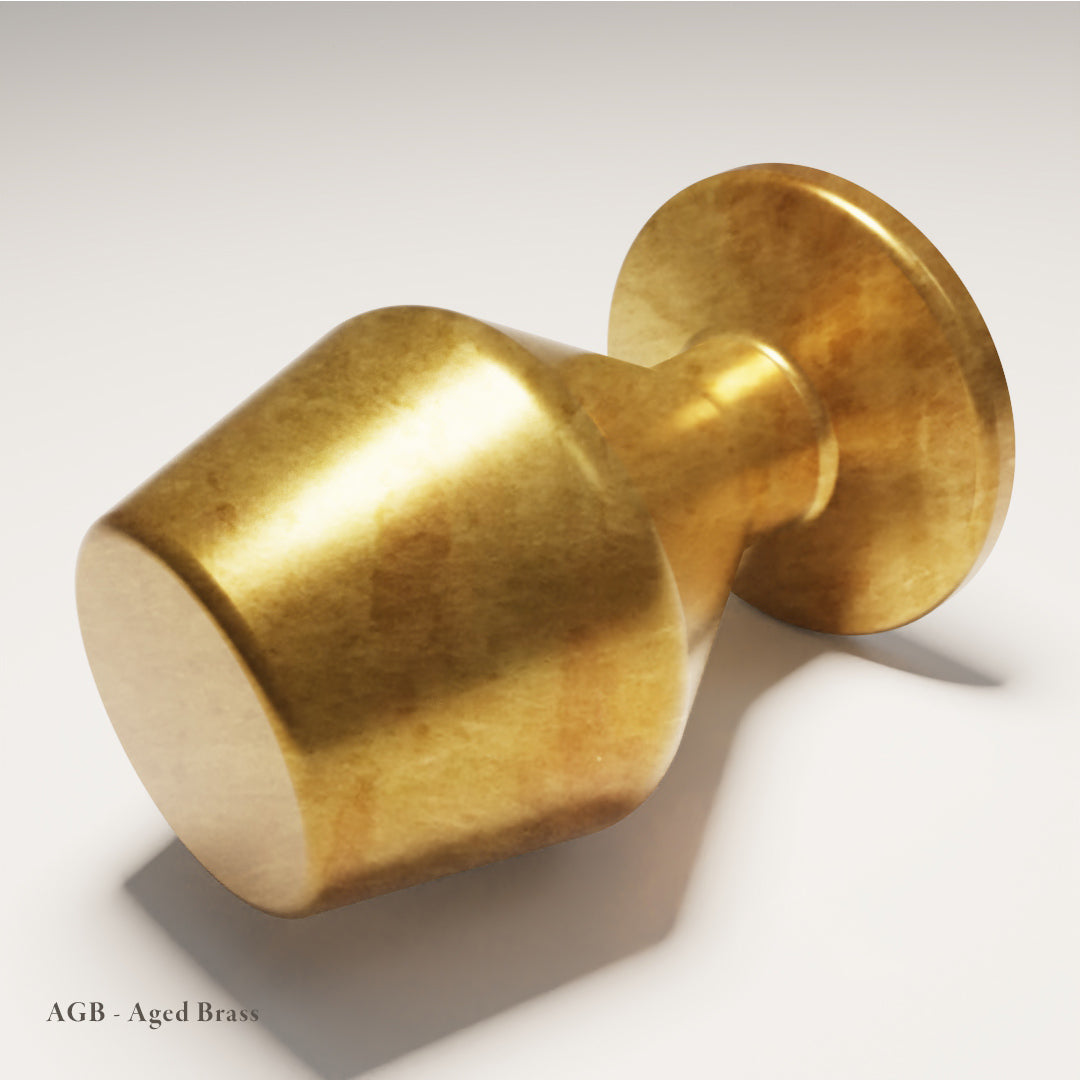
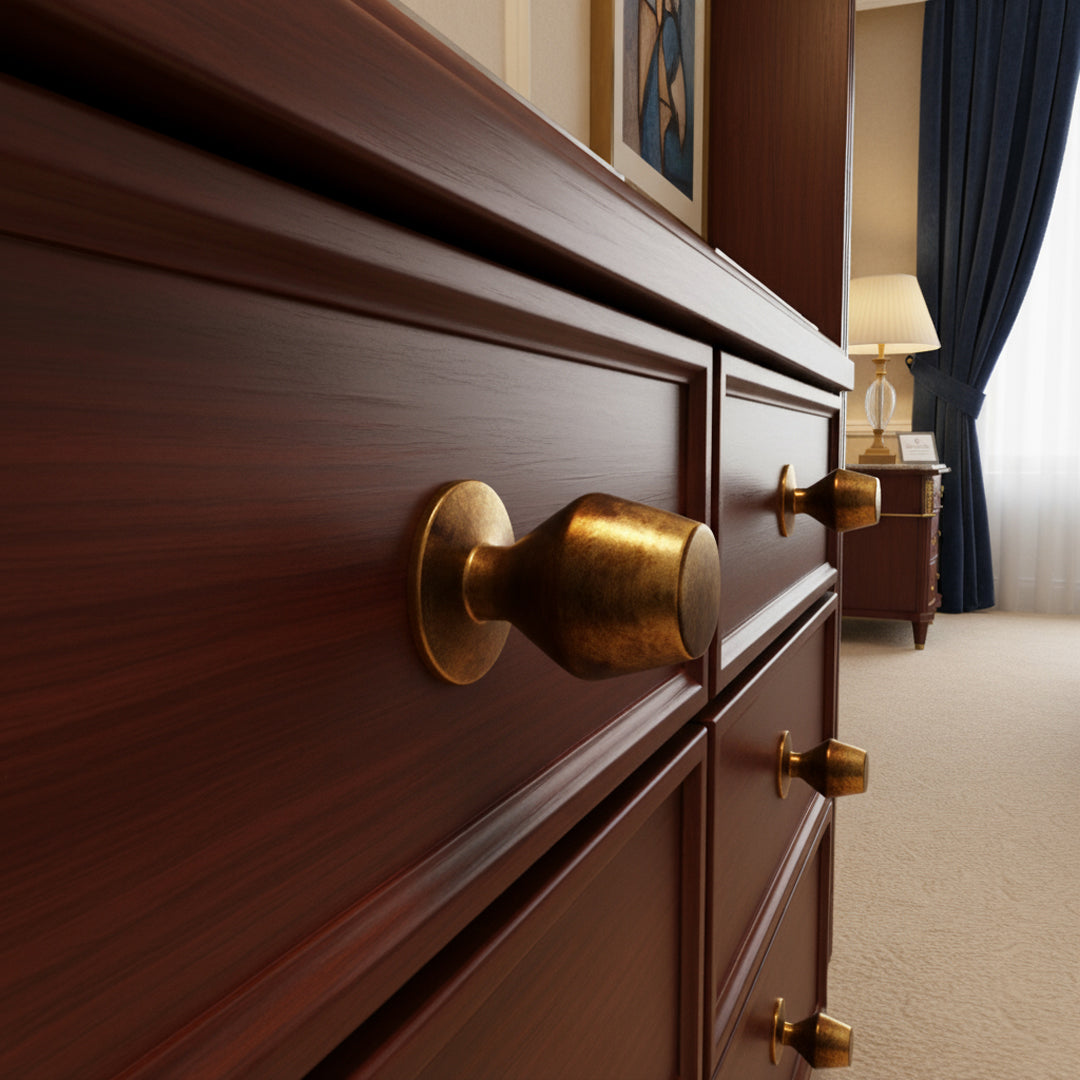
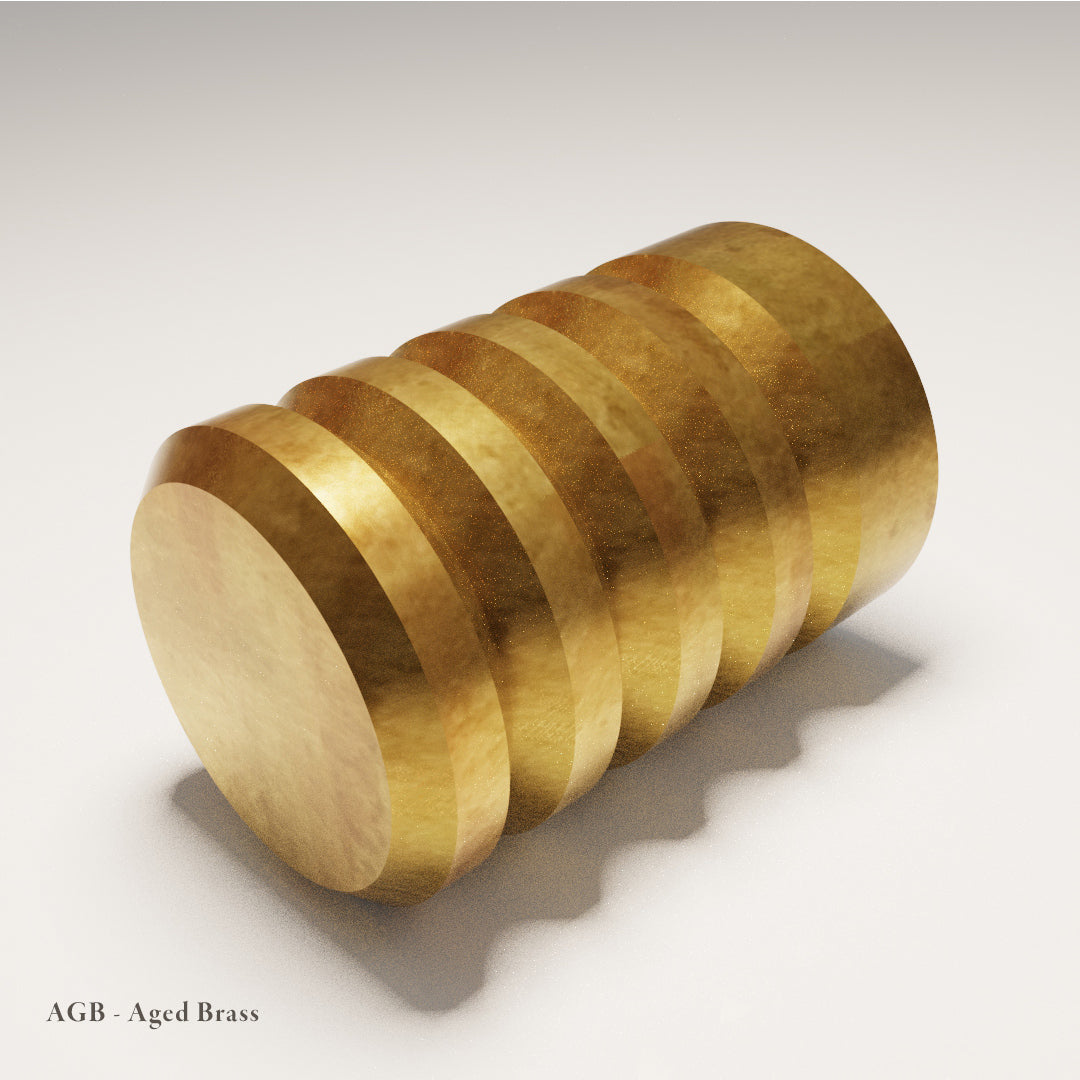
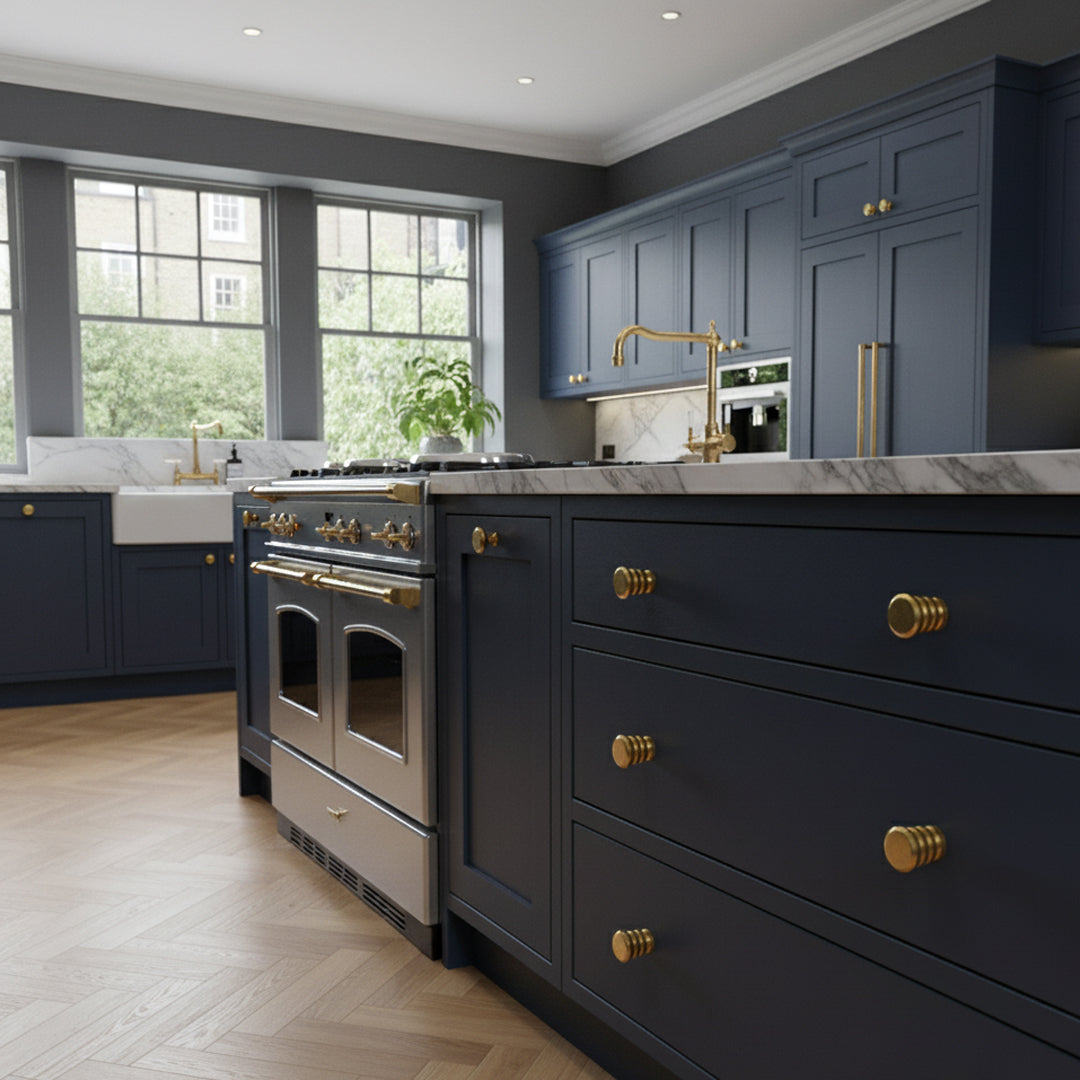
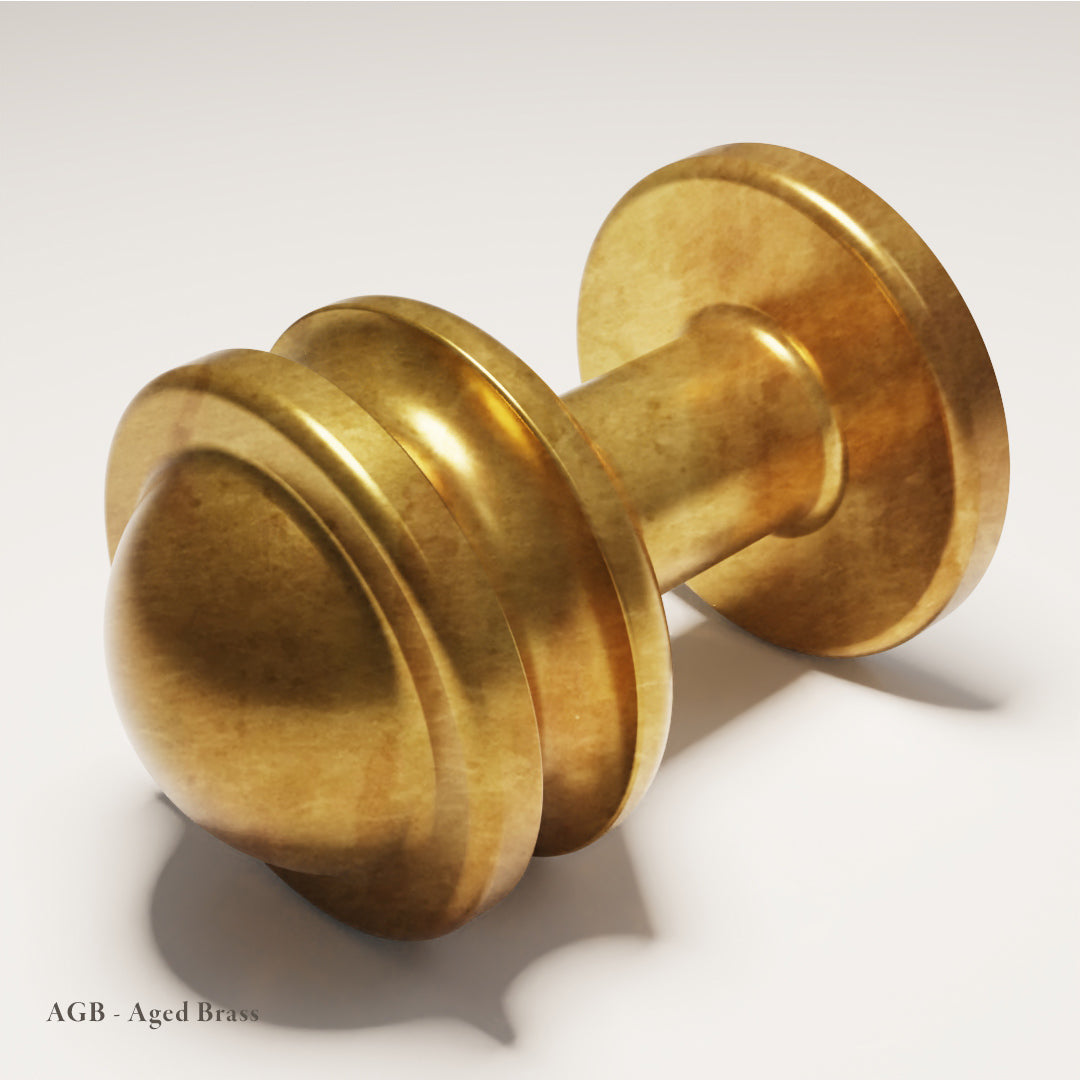
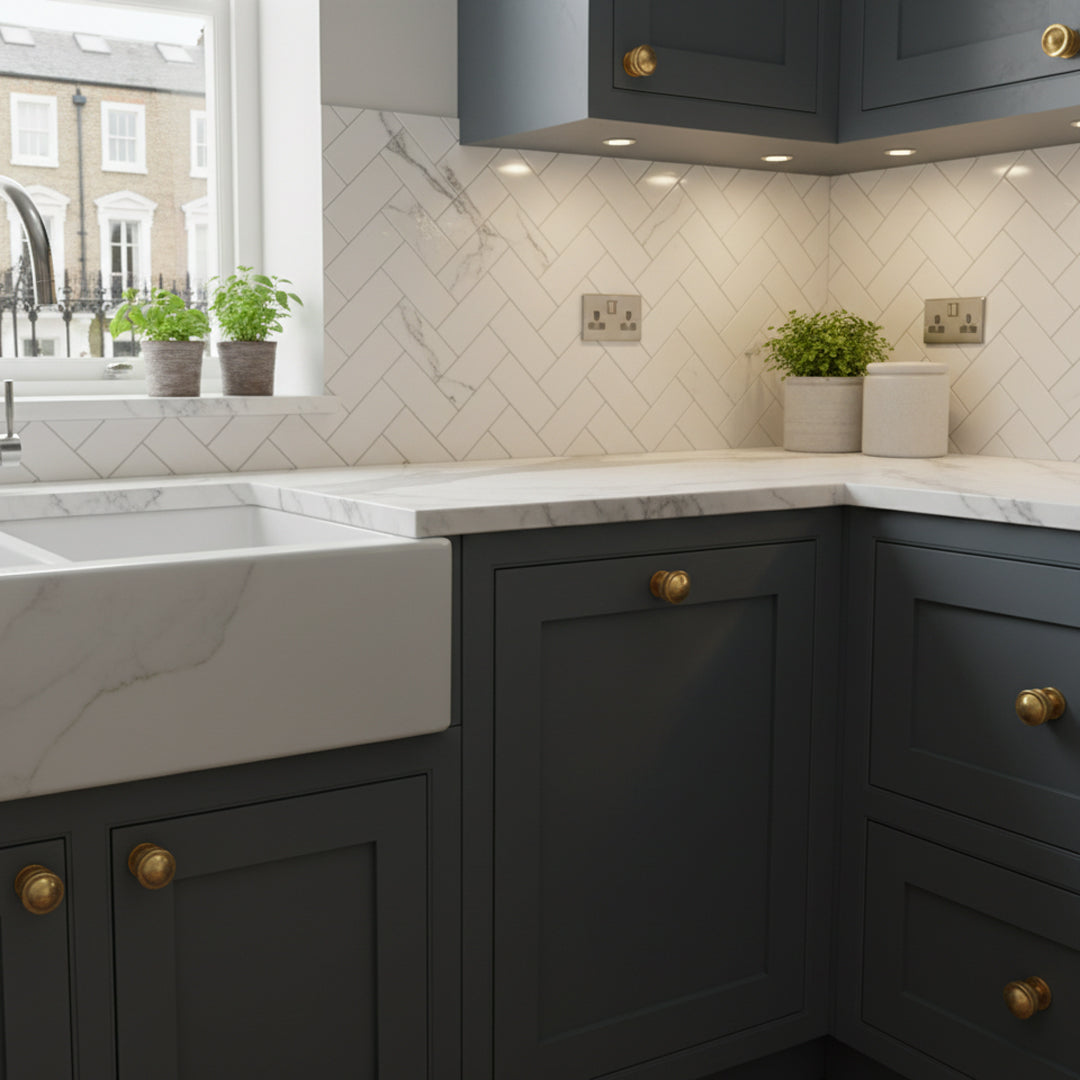
Cabinet knobs for US projects are the small hardware decisions that can make a kitchen, closet, vanity or built-in feel finished rather than over-handled. This collection brings together Capramont & Co solid metal cabinet knobs made in England for cabinet shops, interior designers, builders and millwork teams working across kitchens, closets, bathroom vanities, laundry rooms, mudrooms, media cabinetry and furniture-style built-ins.
Use this page when the project needs a single-hole hardware route with controlled diameter, projection, finish, placement and room-by-room consistency. For active US projects, send elevations, cabinet schedules, door counts, room quantities or finish requirements before ordering so the knob package can be reviewed before production in England.
How US projects use cabinet knobs
| Kitchen uppers | Use knobs on upper cabinet doors, smaller base doors and light-use positions where a long cabinet pull would feel too dominant or too horizontal. |
| Vanities | Use knobs on bathroom vanities, powder rooms and smaller drawer stacks where the hardware needs to feel tactile but not oversized. Confirm finish and material route for humid rooms. |
| Closets | Use knobs on closet doors, dressing rooms, primary suite cabinetry and built-in storage where repeated small touch points create a calmer look than long pulls. |
| Furniture built-ins | Use knobs on media cabinets, sideboards, bar cabinetry, bedside storage and furniture-style millwork where a smaller hardware detail feels more residential and less architectural. |
| Mixed schedules | Knobs often work best when paired with cabinet pulls on larger drawers, pantry doors and appliance panels. Keep the finish and family logic controlled across the whole schedule. |
Choose the knob by job
| Daily grip | A knob must be easy to use, not just visually correct. Check diameter, edge feel and projection on drawers, doors and closet fronts that will be opened every day. |
| Single-hole drilling | Knobs avoid center-to-center spacing issues because they usually use one fixing point, but the drilling position still needs to be consistent across doors and drawer fronts. |
| Diameter choice | Smaller diameters feel quieter and more decorative. Larger diameters give better presence and grip on larger doors, closets, built-ins and furniture-style cabinetry. |
| Finish approval | Approve the knob finish against cabinetry, stone, plumbing fixtures, appliances, lighting and nearby metalwork before production, especially on whole-home projects. |
| Room schedule | For US homes with kitchens, closets, vanities, laundry rooms and built-ins, keep every knob size, finish and quantity in one hardware schedule before release. |
US cabinet knob family direction
| Classic kitchens | Harrington, Farringdon, Brunswick and Varndell suit inset-style cabinetry, painted kitchens, pantries and traditional millwork where the knob should feel refined rather than decorative. |
| Modern built-ins | Lexham, Melbury and Maddox suit cleaner kitchens, closets, vanities, media cabinetry and warm modern millwork where the knob should stay simple and restrained. |
| Statement detail | Burlington, Eccleston and Egerton suit fluted, ribbed, Deco or more detailed cabinetry where the knob is intended to be seen as part of the room’s design language. |
| Finish proof | Harrington is a strong neutral reference route for comparing finish, weight and machining quality before larger project orders or finish palette sign-off. |
Fast cabinet knob specification guide
| Best uses | Upper cabinets, smaller doors, vanities, closets, built-ins, furniture-style drawers, media cabinetry and secondary positions in mixed hardware schedules. |
| Fitting logic | A cabinet knob usually needs one drilled hole. Placement, diameter, projection, finish and repetition are the critical specification checks. |
| Pairing logic | Use knobs with cabinet pulls when larger drawers, pantry doors or appliance panels need more leverage. Keep the finish and family direction consistent. |
| Main risk | The main risk is casual placement. A single-hole knob still looks wrong if the height, margin, diameter or finish logic changes from room to room. |
| Best workflow | Choose the knob family, confirm diameter, approve finish, set drilling positions, then release one schedule with rooms, quantities and any sample or finish sign-off notes. |
When to choose cabinet pulls instead
Cabinet knobs are useful when the project needs a compact, tactile detail. They are not always the best solution for every position. Wide drawers, pantry doors, appliance panels, heavy doors and full-height millwork often need cabinet pulls for better grip and scale.
A strong US hardware schedule usually uses knobs for smaller repeated positions and pulls for larger functional positions. That keeps the room practical without overloading every cabinet front with long hardware.
Made in England for US project schedules
Capramont & Co manufactures solid metal cabinet knobs in England for specification-led interiors. Heritage finishes provide the main interior palette, while selected Atelier Metals can be reviewed for bathrooms, coastal homes, yachts, humid locations, hospitality use or projects with higher material demands.
For larger US homes, submit the knob schedule before order. That lets kitchens, closets, vanities, laundry rooms, mudrooms, media cabinetry and furniture-style built-ins share one controlled hardware language while each position receives the right diameter, projection and finish.
Related US specification routes
Hardware Type · Hardware Finder · Cabinet Pulls · T-Bar Pulls · Cup Pulls · C Pulls · Finish Sign-Off Knob · Heritage Finish Knobs Palette · US Specification Center · Send Project / Drawing Details
A note on specification
Knob size, grip and projection should be checked against the actual drawer or door front.