

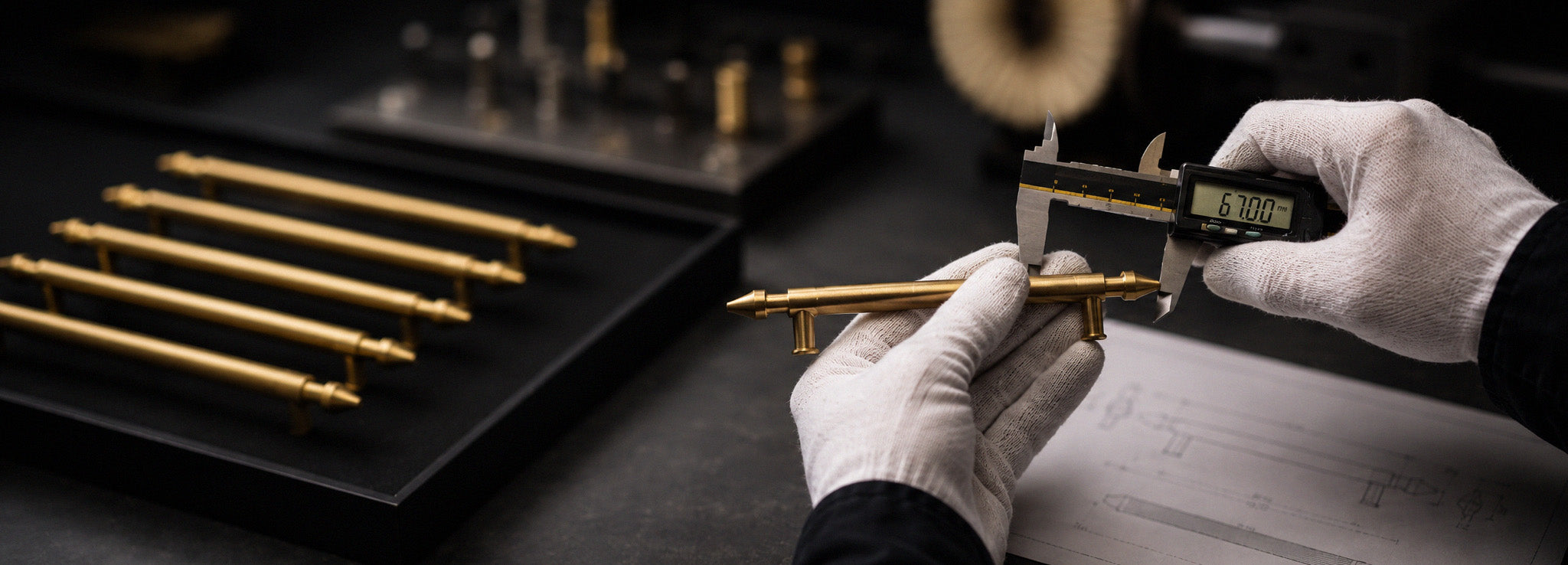
The Capramont Standard
Every handle is verified to its drawing before it leaves the bench. Melbury cabinet handle
Engineered for Cabinetry. Made in England.
Every Capramont & Co handle is machined from solid brass in our own English facility and measured against its drawing before it ships — controlled in dimension, consistent in finish, and specified before production begins.
That standard didn't begin with the hardware. It began four decades earlier.
A discipline forged in precision engineering
For more than four decades, the family manufacturing business behind Capramont & Co produced precision-engineered components in England for competitive motorsport, aerospace and marine applications.
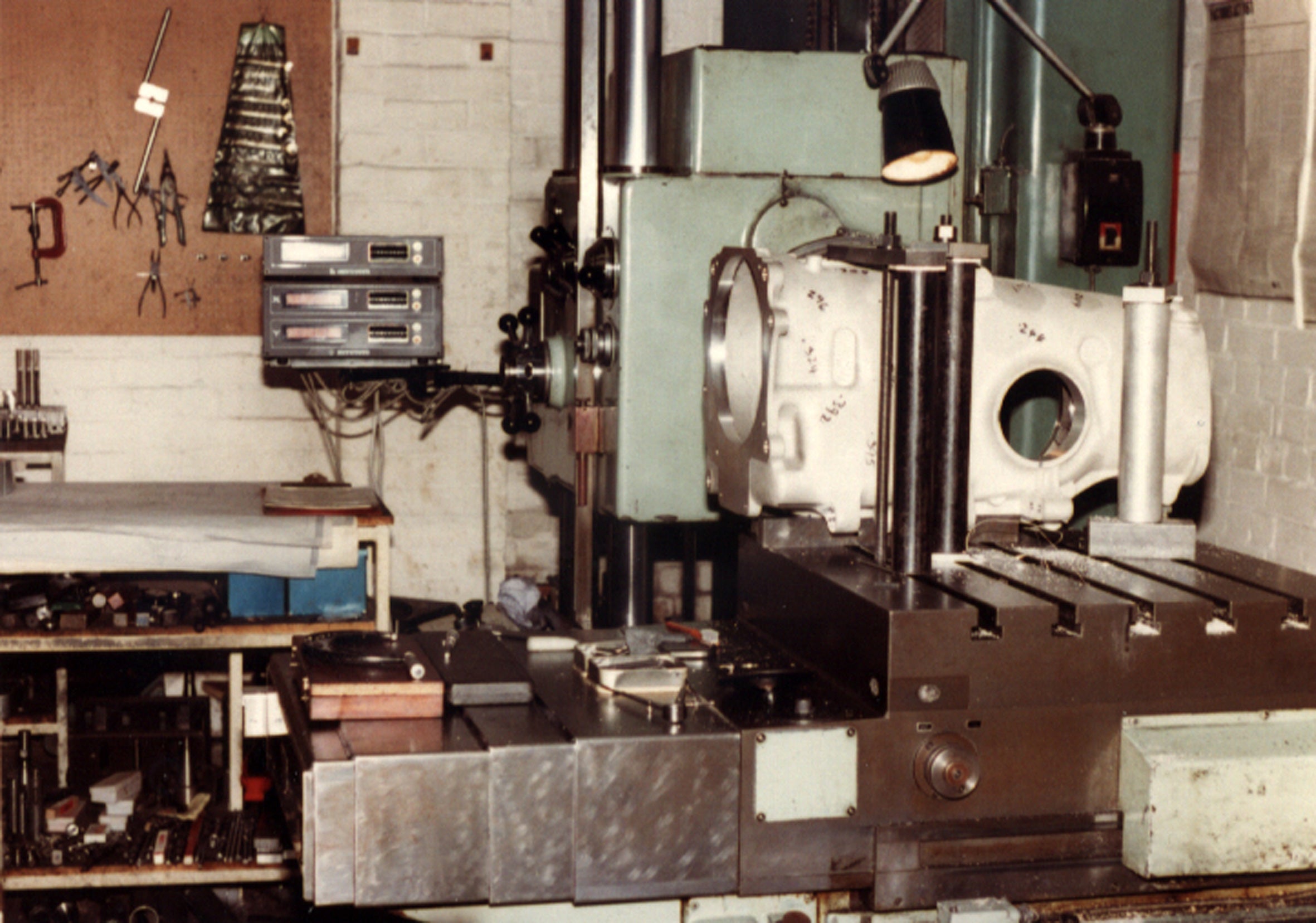
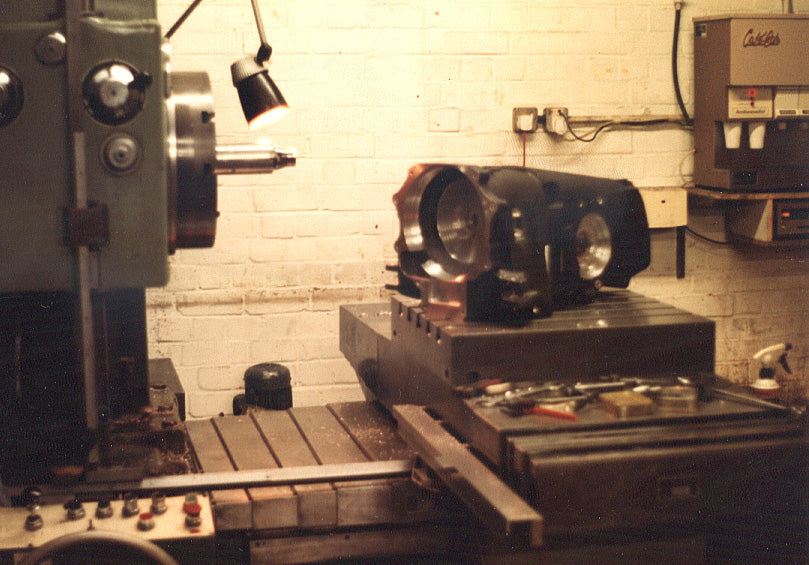
The images below date from circa 1980 and show the manufacturing environment behind the company, including two specialist gearbox components produced under confidential contract.
These were complex parts where internal geometry, bearing surfaces, machined faces and dimensional accuracy had to be controlled before delivery.
That standard existed long before the hardware brand.
Today, Capramont & Co cabinet hardware is manufactured by us in England, within our own specialist manufacturing and finishing facility. The same manufacturing discipline now governs every piece: controlled in dimension, consistent in finish and specified before production begins.
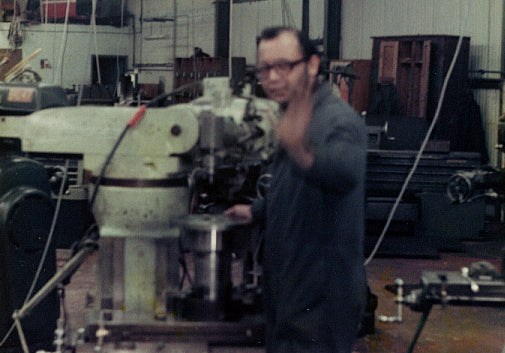
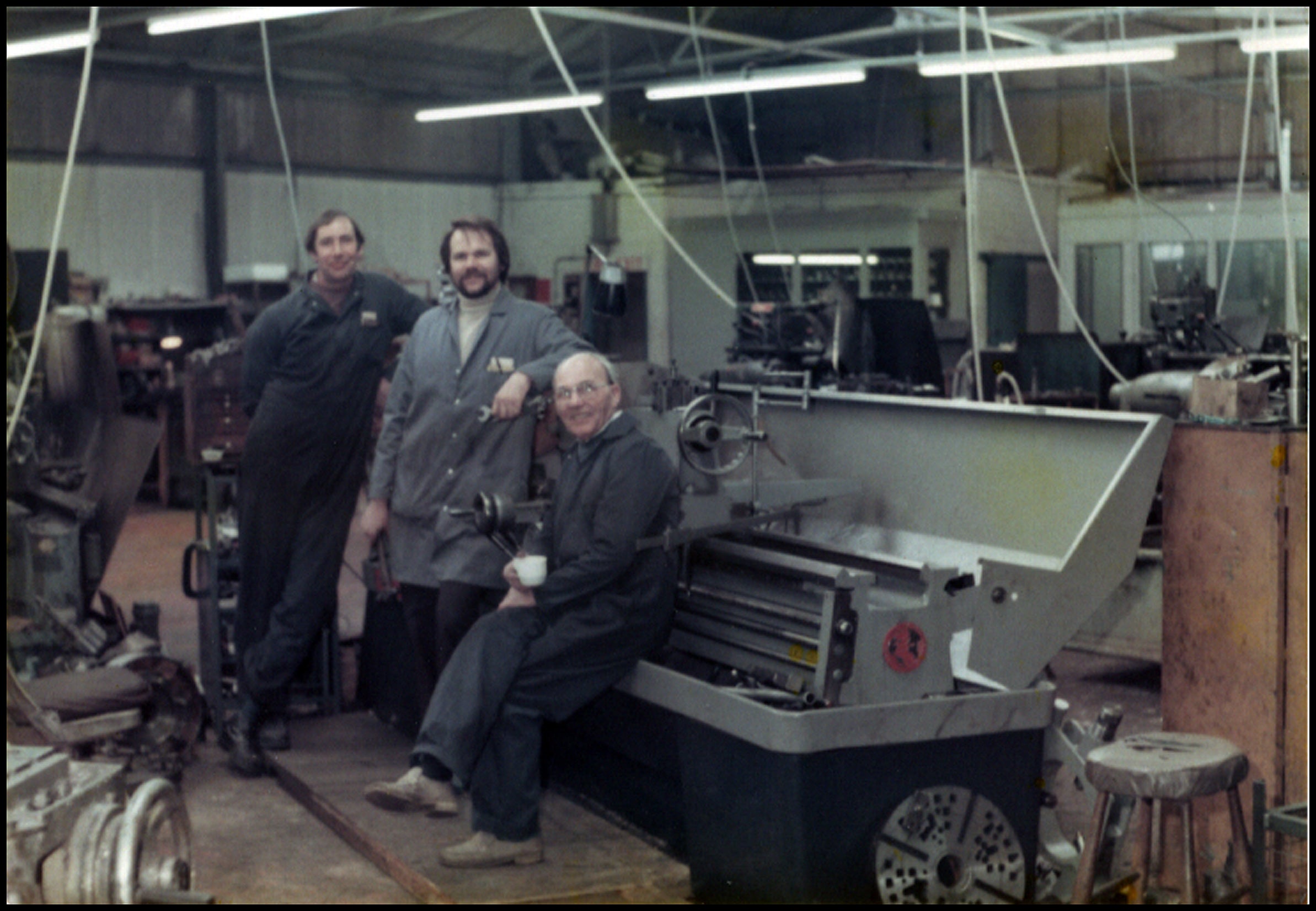
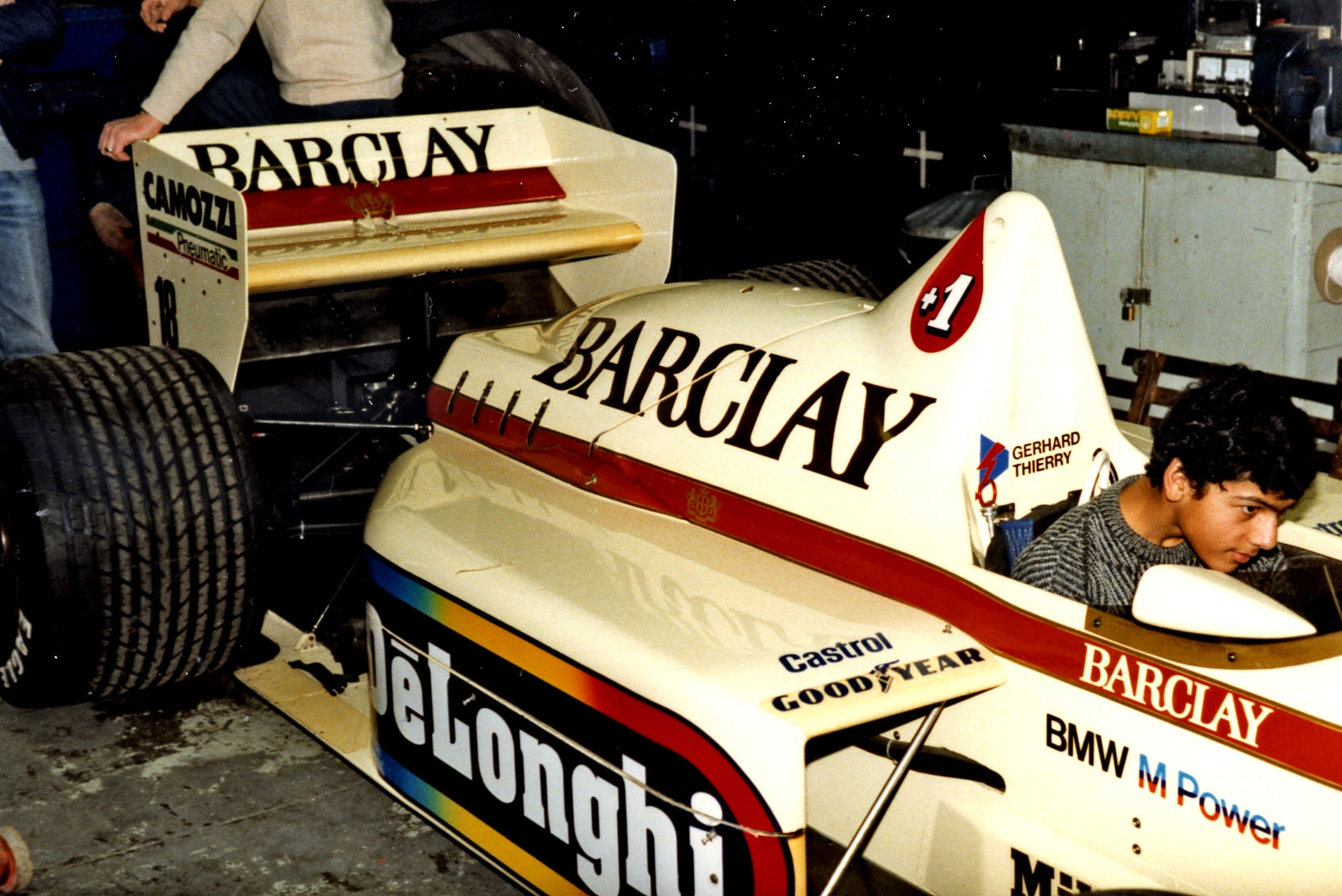
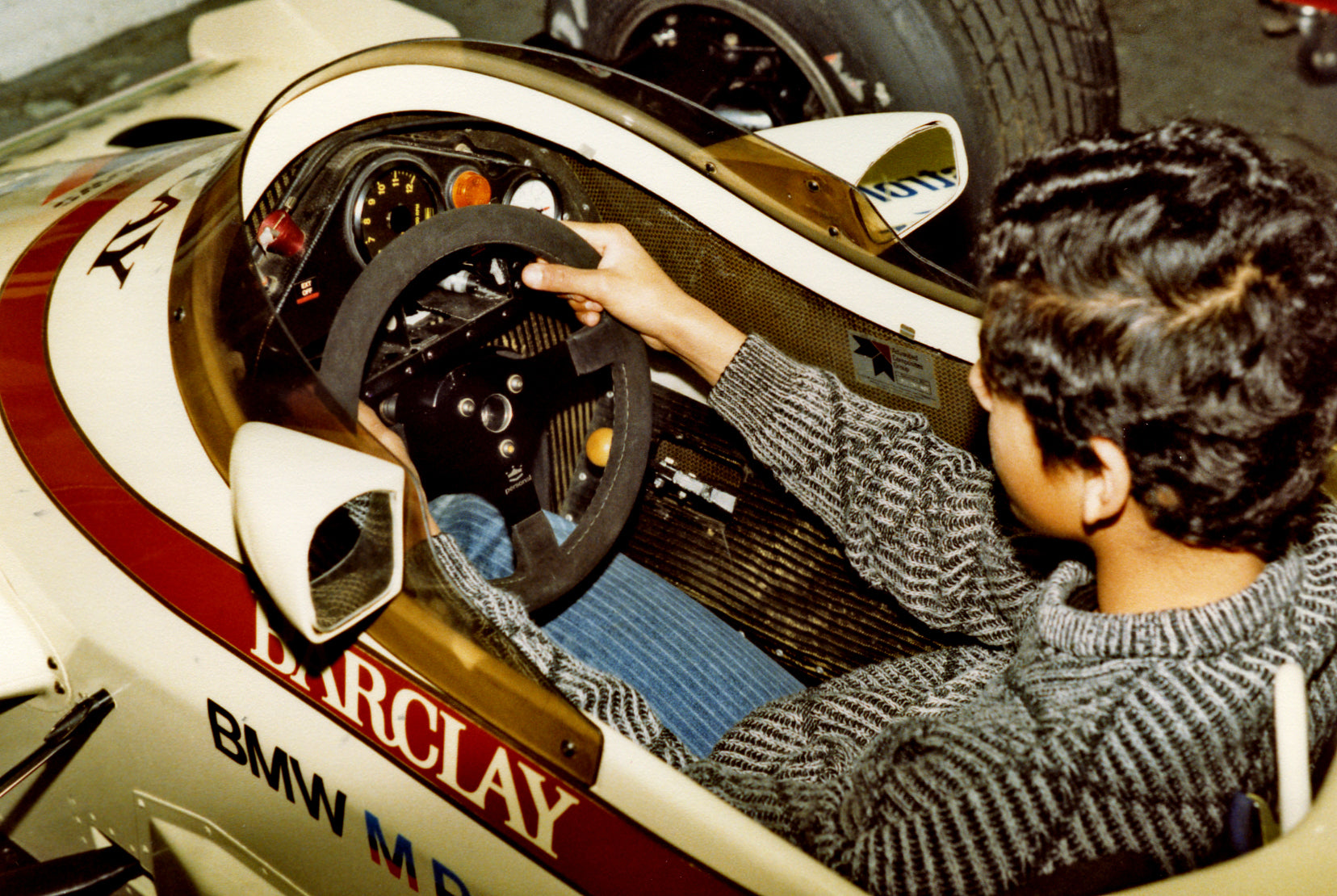
A young Capramont & Co founder during a private visit to a Milton Keynes motor racing facility linked to the family manufacturing business’s precision component work for world-class racing cars. Circa 1985.
Difficult components. Demanding standards.
The components produced under that discipline ranged from structural brackets and precision housings to specialist gearbox and transmission assemblies manufactured to confidential drawings and tight delivery schedules.
Work of this kind depends on multi-axis machining, detailed material understanding and dimensional verification at every stage. On selected critical features, tolerances were held to within ±5 microns.
Each component had to leave the manufacturing environment correct, verified and ready for assembly. Approximation was not acceptable.

High-difficulty superalloy impeller manufactured for a world-class racing car application. Complex blade geometry and critical tolerances required precise machining, material understanding and dimensional control.
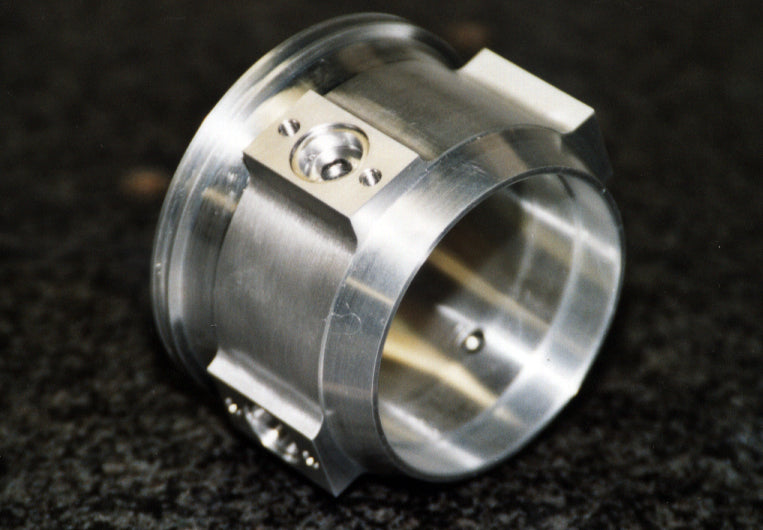
High-temperature alloy engine component manufactured for world championship winning motor racing car. Critical features were held to within ±5 microns, with bores, faces and fixing details controlled across multiple axes.
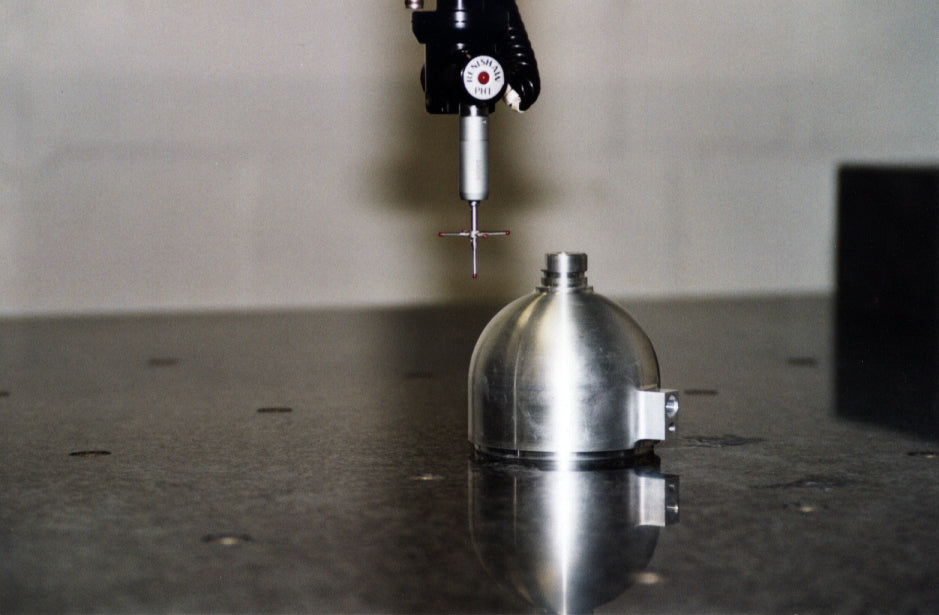
CMM inspection on a coordinate measuring machine. Critical dimensions are checked across multiple axes, verifying the relationship between faces, bores and machined features before the component leaves production.
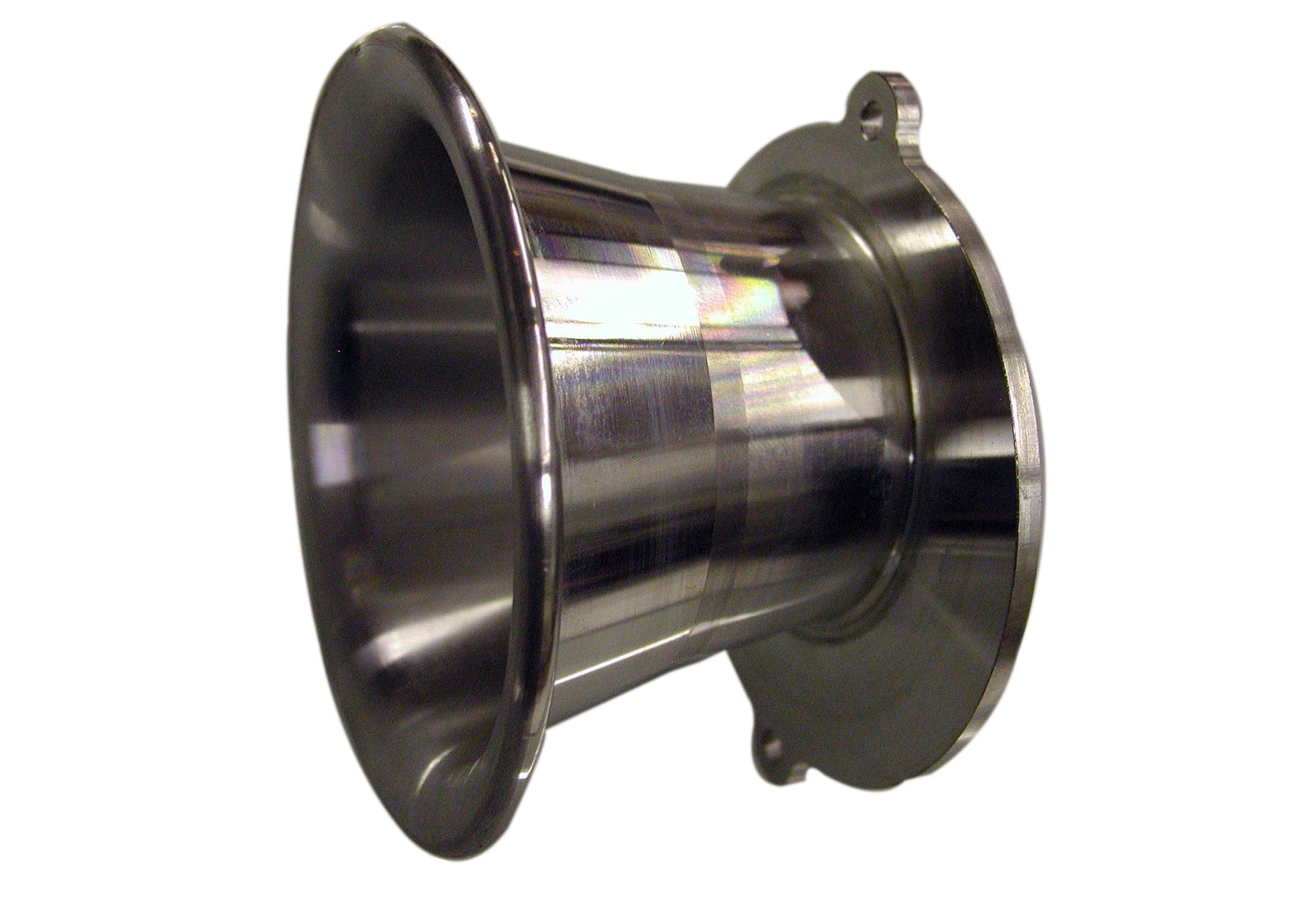
High-temperature alloy engine air intake manufactured in volume for championship-winning US single-seater V8 racing engines. Eight are used per engine, with complex geometry and critical dimensional accuracy required across every set.
The Standard Applied to Cabinetry
Cabinet hardware is a small detail, but on a project it carries a large amount of responsibility. It affects setting-out, centre lines, door and drawer alignment, appliance fronts, finish coordination, installation quality and future replacement.
At Capramont & Co, every piece is treated as a manufactured component, not simply a decorative fitting. Centres, projection, overall length, diameter and fixing positions are controlled from the start. Approved finishes are followed from sample through to delivery. Custom centres, adjusted lengths, special materials and project-specific requirements can be reviewed before production begins.
For interior designers, architects, joiners and project teams, the value is straightforward: hardware that can be specified early, signed off clearly and supplied with confidence.
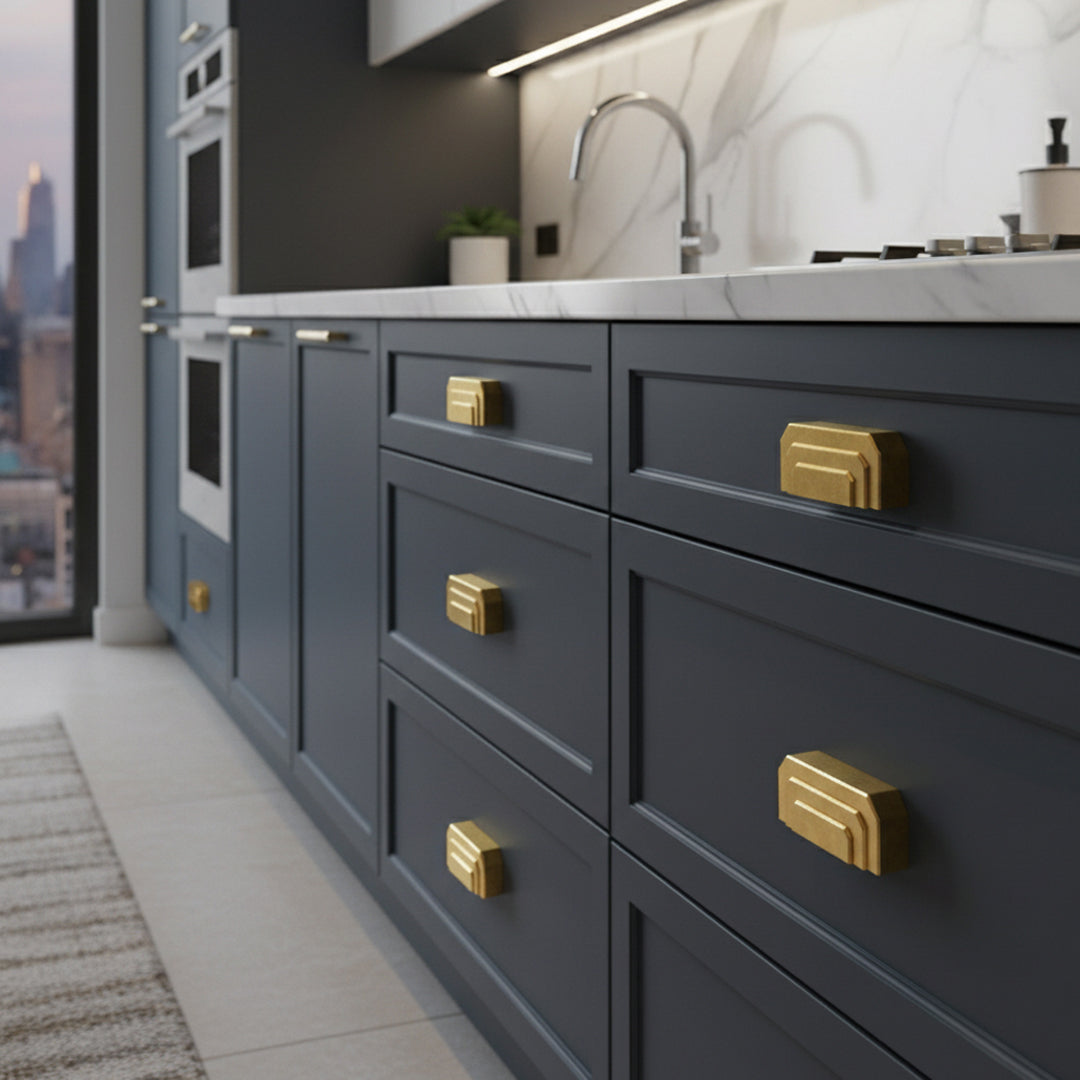
Controlled dimensions
Centres, projection, diameter, overall length and fixing positions are managed as manufacturing details, helping hardware align correctly across fitted cabinetry, wardrobes, kitchens, utilities and appliance fronts.
Consistent finish
Approved finishes are controlled from sample to final supply, helping reduce visible variation across quantities, rooms and later project phases.
Custom capability
Custom centres, adjusted lengths, special materials and project-specific requirements can be reviewed before production, rather than improvised late in the project.
Project continuity
Additions, replacements and later phases can refer back to the approved hardware record, helping preserve the original specification over time.
Specified before production
Hardware is considered in relation to cabinetry, proportion, finish, use and installation before it is made, reducing late-stage uncertainty.

Founder-led. Manufacturing-led.
Capramont & Co is the work of a family engineering standard and the two founders who run it: one in manufacturing, one in commercial and specification. The standard came first. Four decades of precision component work in motorsport, aerospace and marine, held under confidential contract long before there was a hardware brand. What the company does today is carry that standard into cabinetry, deliberately and without dilution.
Manufacturing & Product Design
The manufacturing founder heads the production and design of Capramont & Co and works to the world class motor racing precision engineering standard.
The precision behind Capramont & Co was built under confidential motorsport, aerospace and marine contracts, for programmes that do not name their suppliers; that discretion is not a brand choice, it is the native condition of the work. What reaches the hardware is the standard, not the profile.
Every dimension is reviewed at the bench before production by the founder who owns the facility, not passed down a supply chain. A custom centre, an adjusted length, a specific finish: each is verified by the person accountable for it, before a single piece is made.
Vanita Dhand-Panchal
Co-Founder, Commercial, Interiors & International Projects
Vanita Dhand-Panchal began her career developing a pioneering software and hardware system for the international airline inflight-catering industry, receiving a World Innovations Award and the Queen's Award for Professional and Academic Achievement at Buckingham Palace.
She later spent more than two decades in luxury interiors and international business development, working with leading designers, architects and procurement specialists on five-star hospitality and high-end residential projects across Europe, the Middle East and North America.
Vanita also serves as a Dissertation Supervisor and Guest Lecturer on the MSc in Innovation and Entrepreneurship and Executive MBA programmes at Warwick University.
Together they built Capramont & Co on one principle: hardware specified early, signed off clearly, and answerable to a single company from drawing to delivery.