

Small details are capable of great character.
Cabinet knobs lend proportion, tactility and finishing character to drawers and doors. Explore coordinated forms for bespoke furniture and fitted cabinetry.
Made to order in England for private residences, apartments, coastal homes and hospitality interiors across Europe.
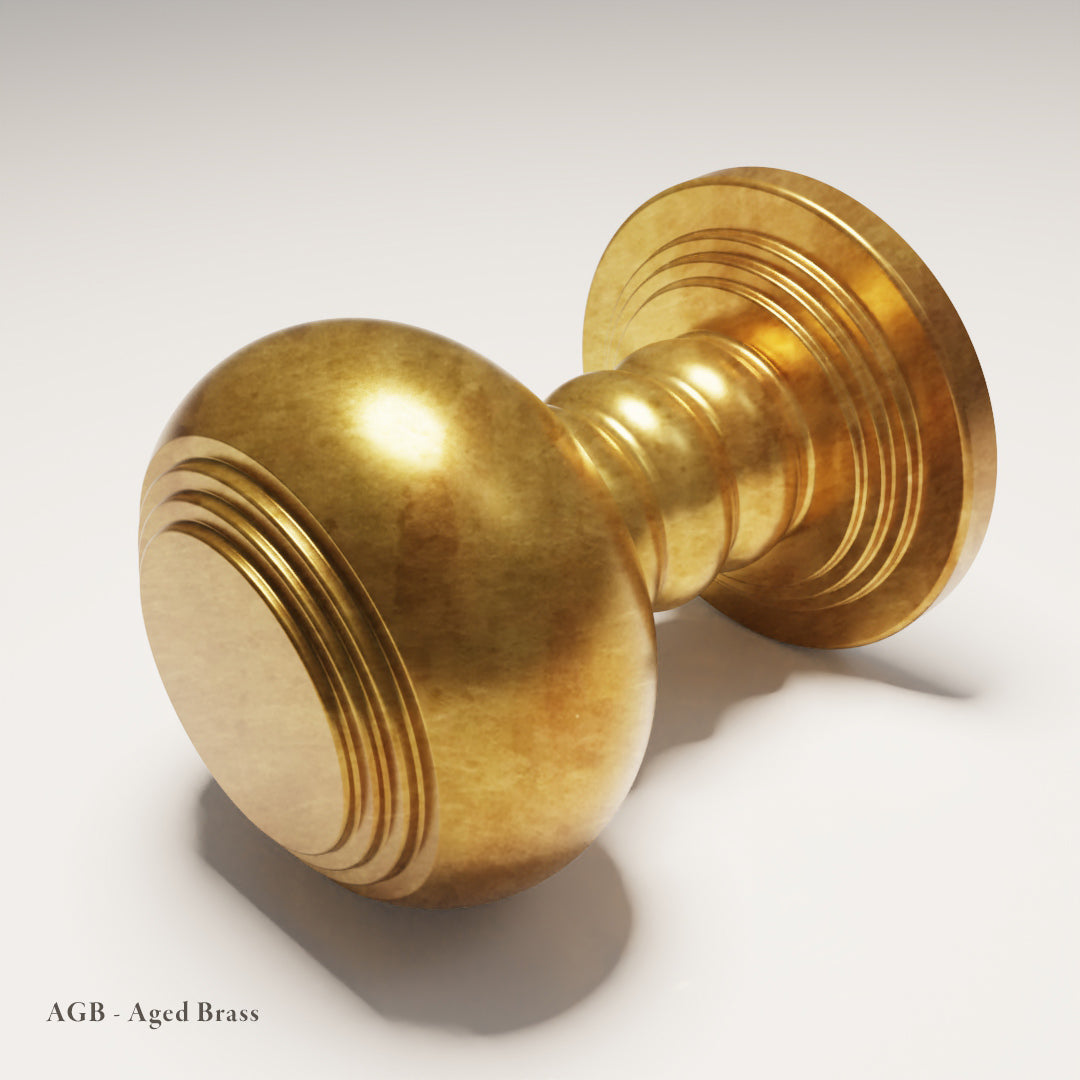
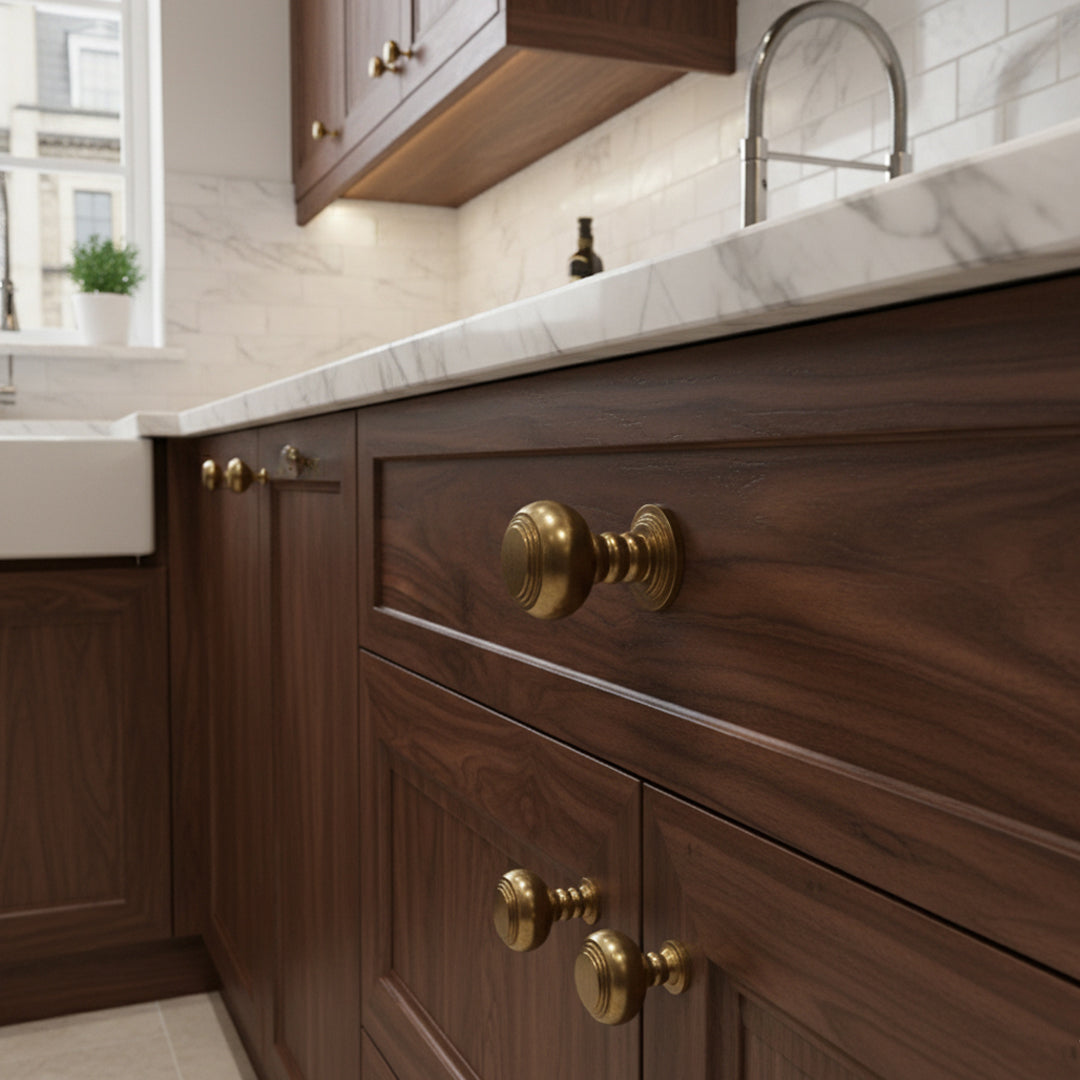
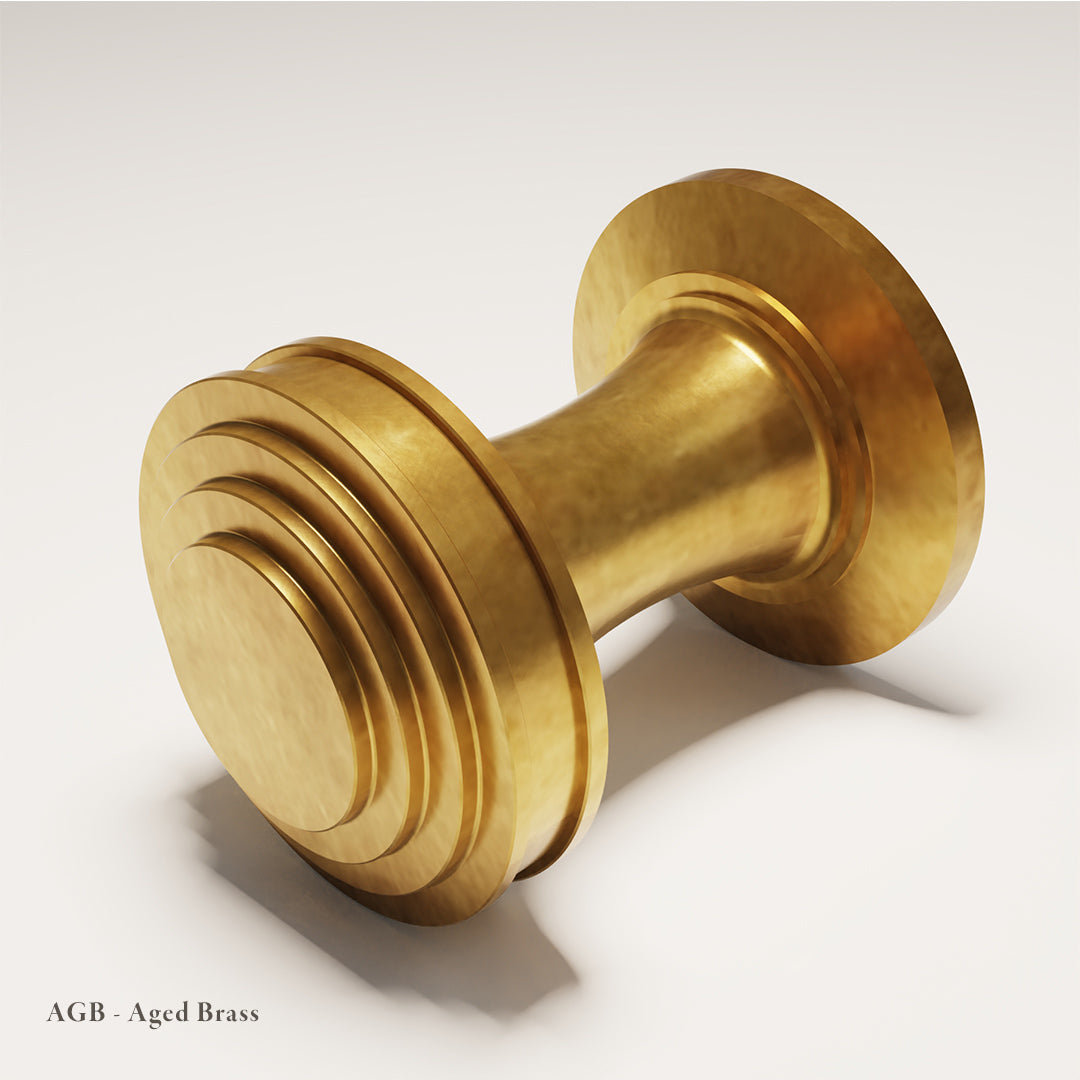
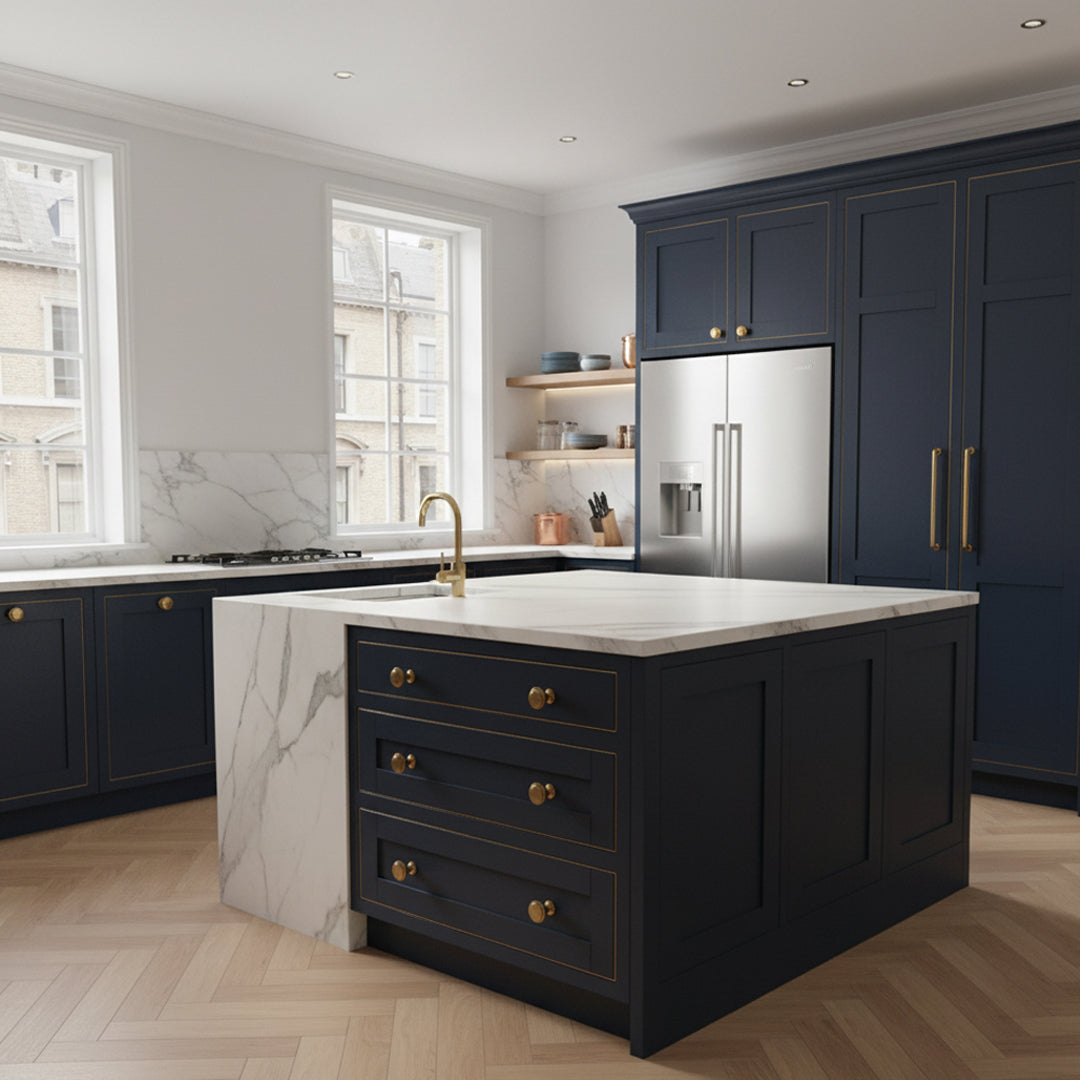
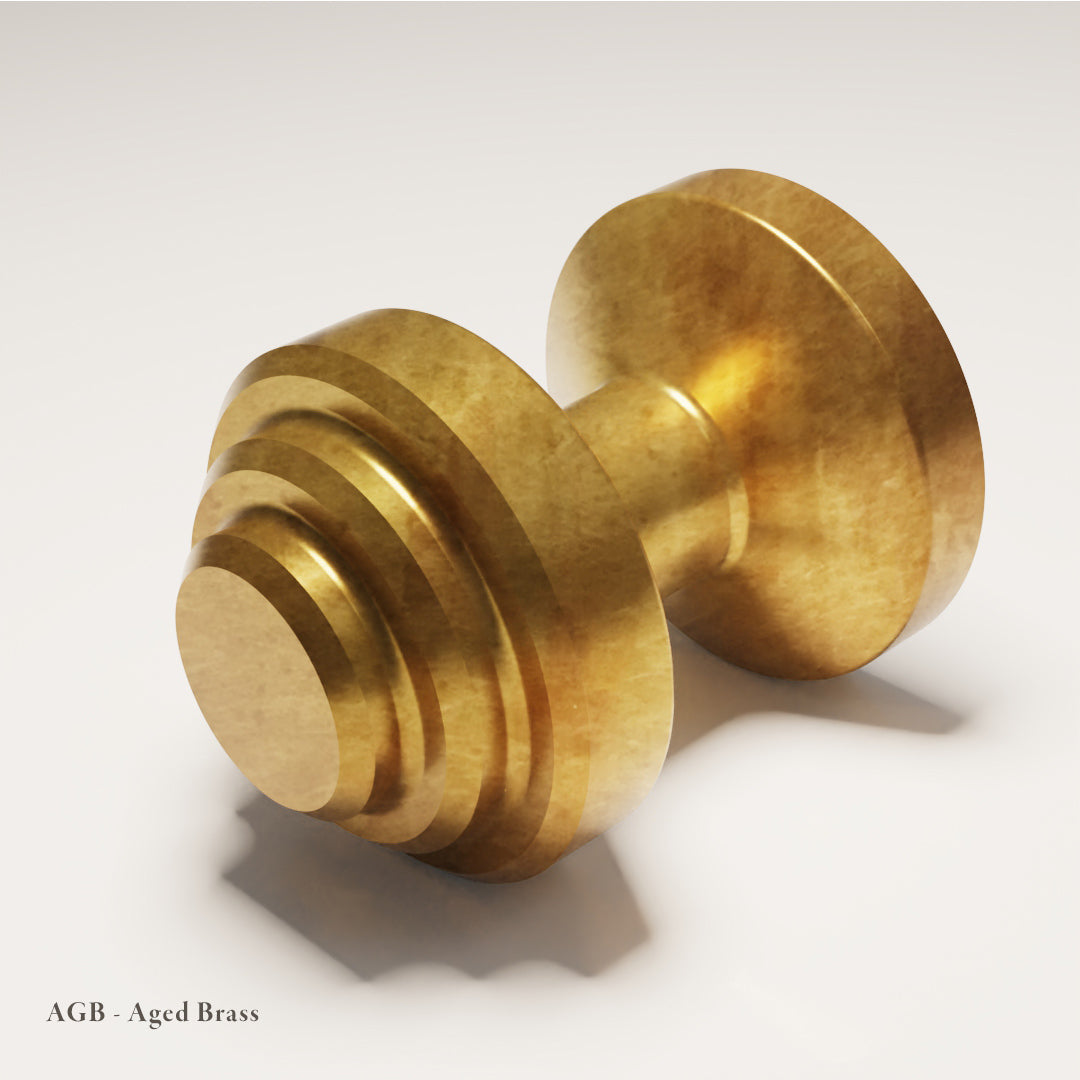

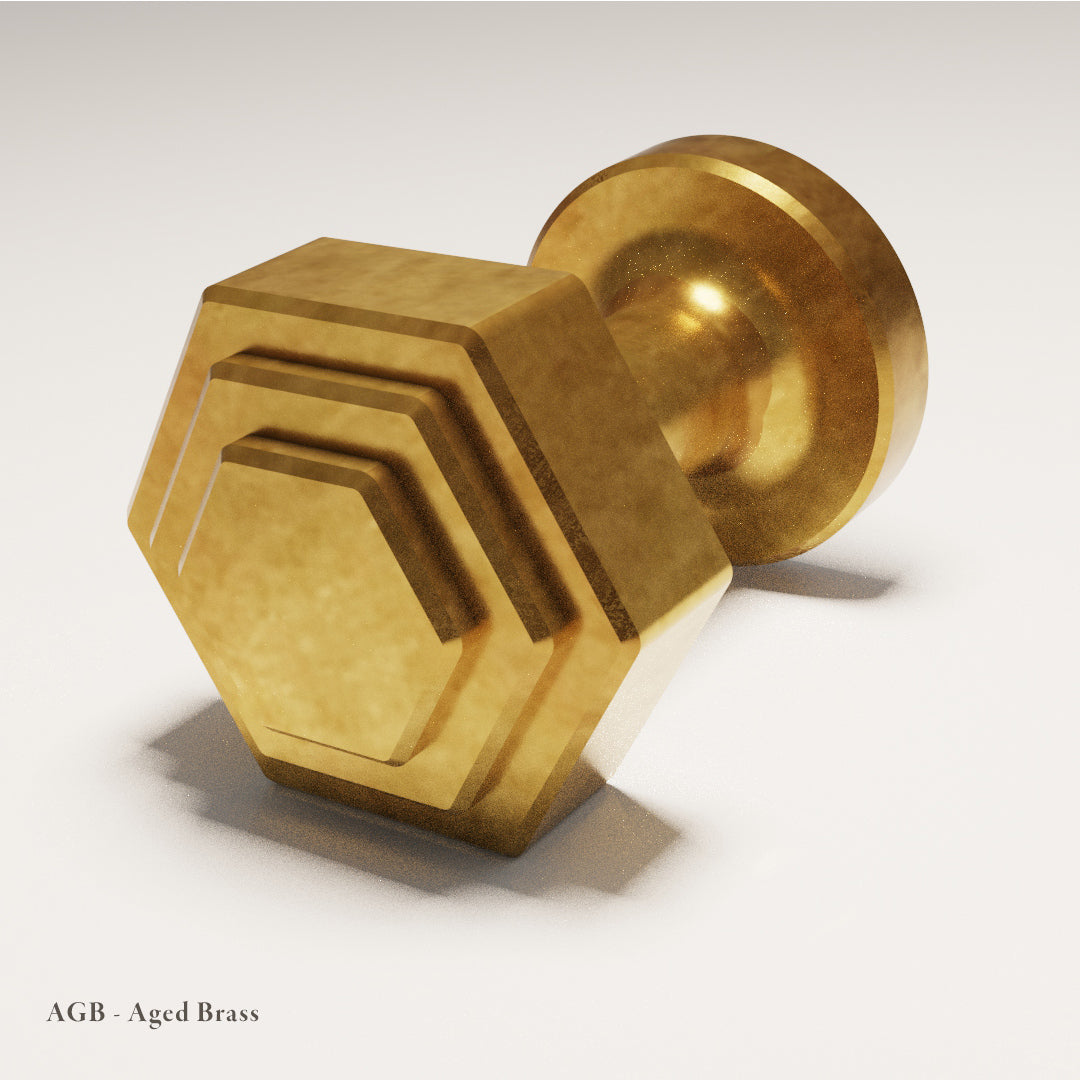
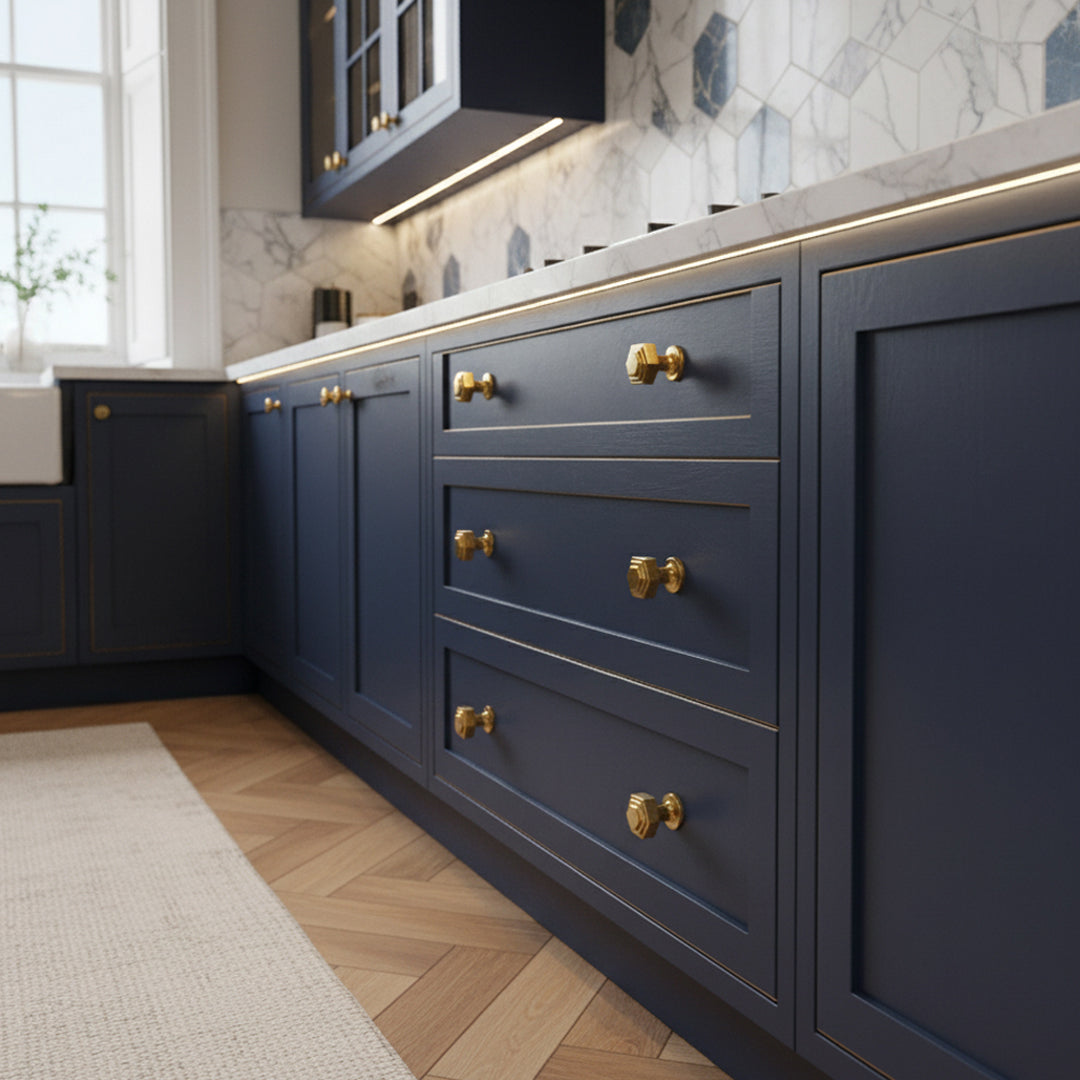
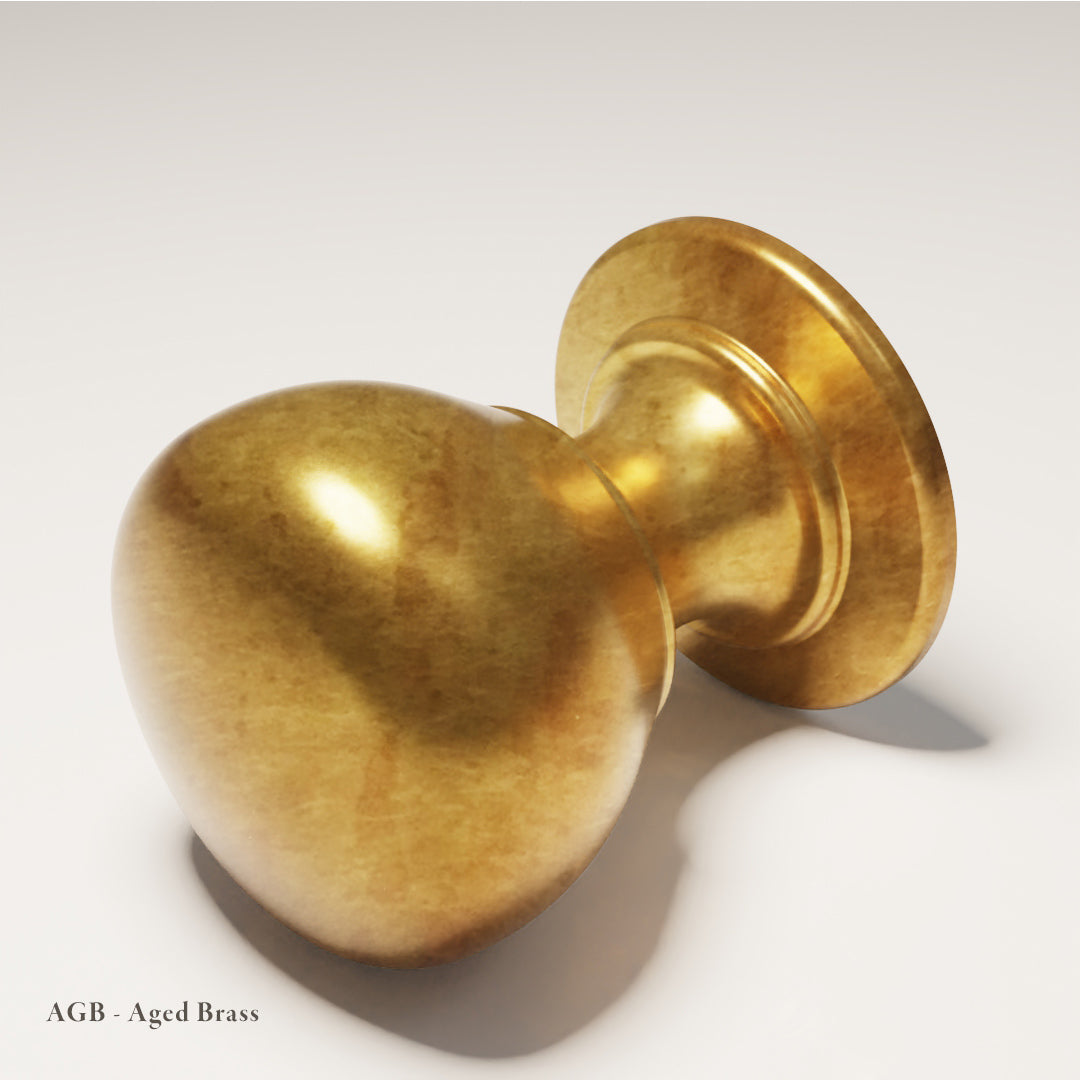
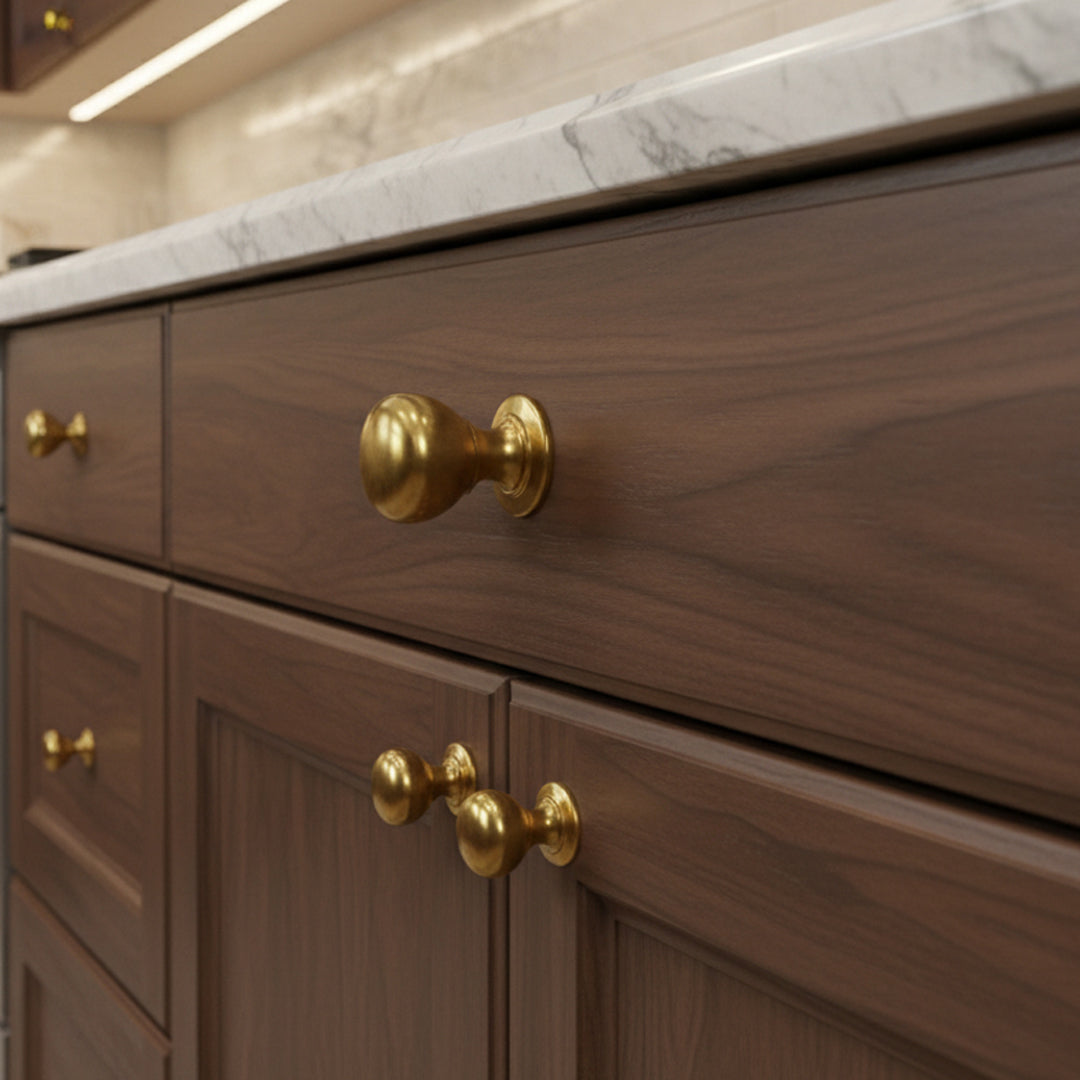
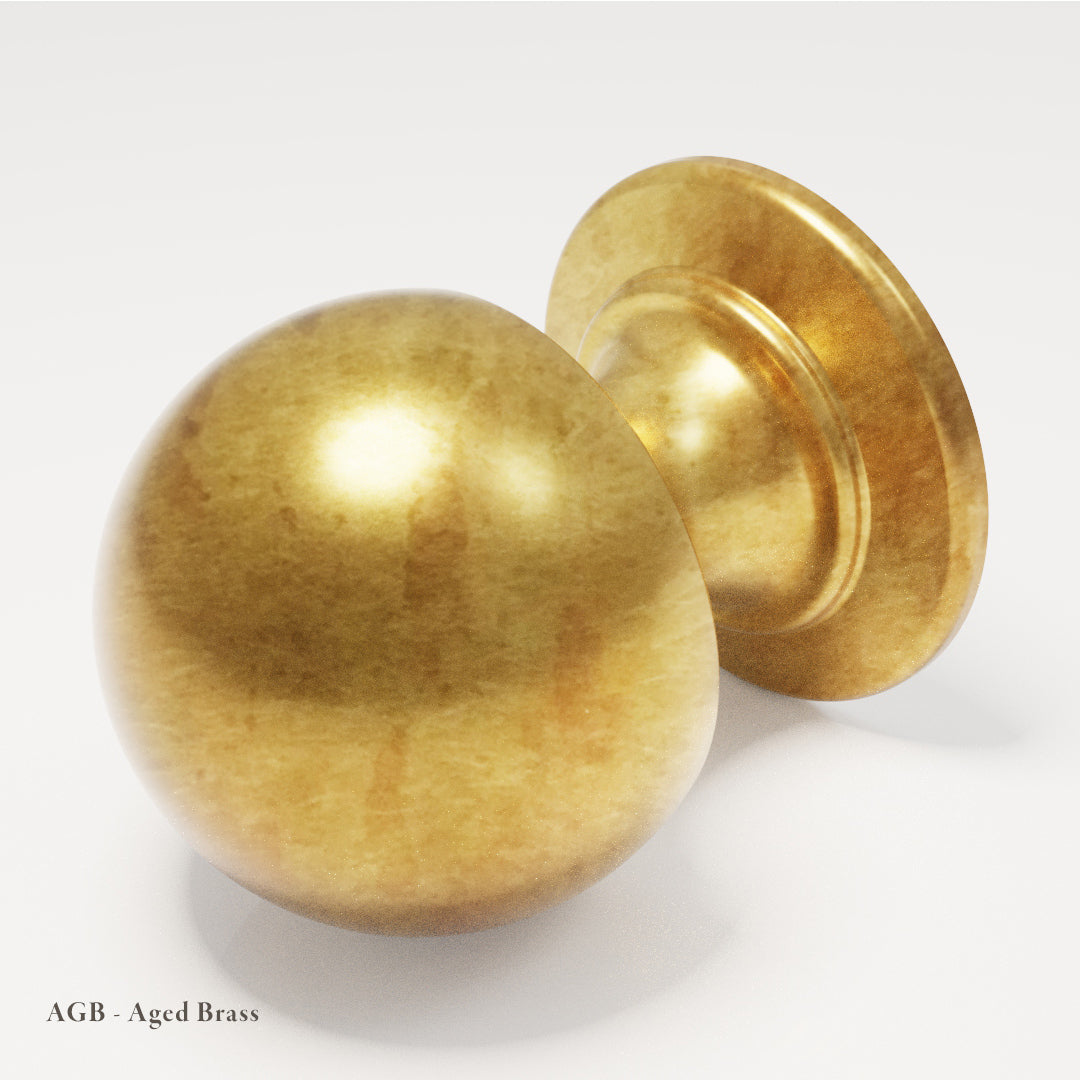
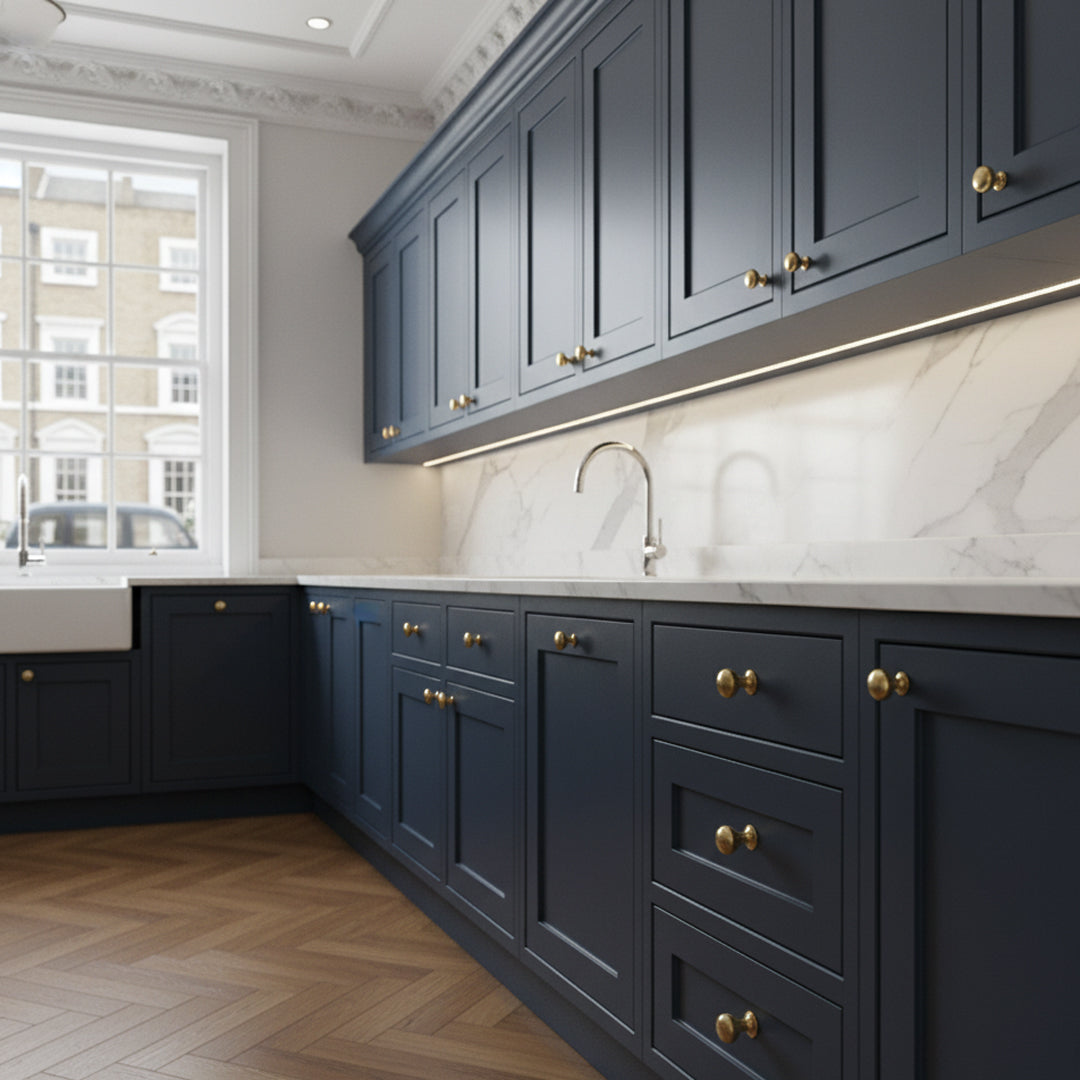
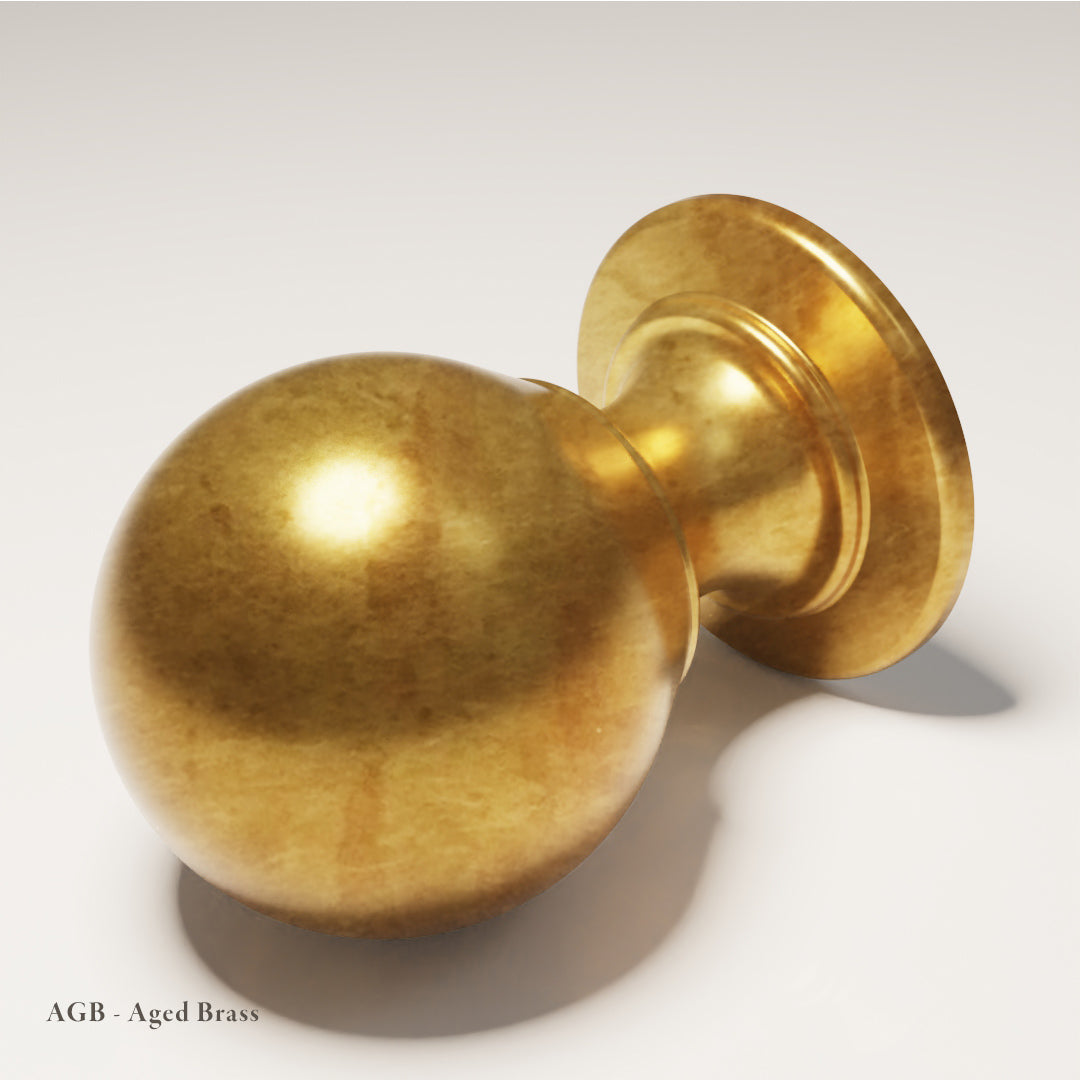
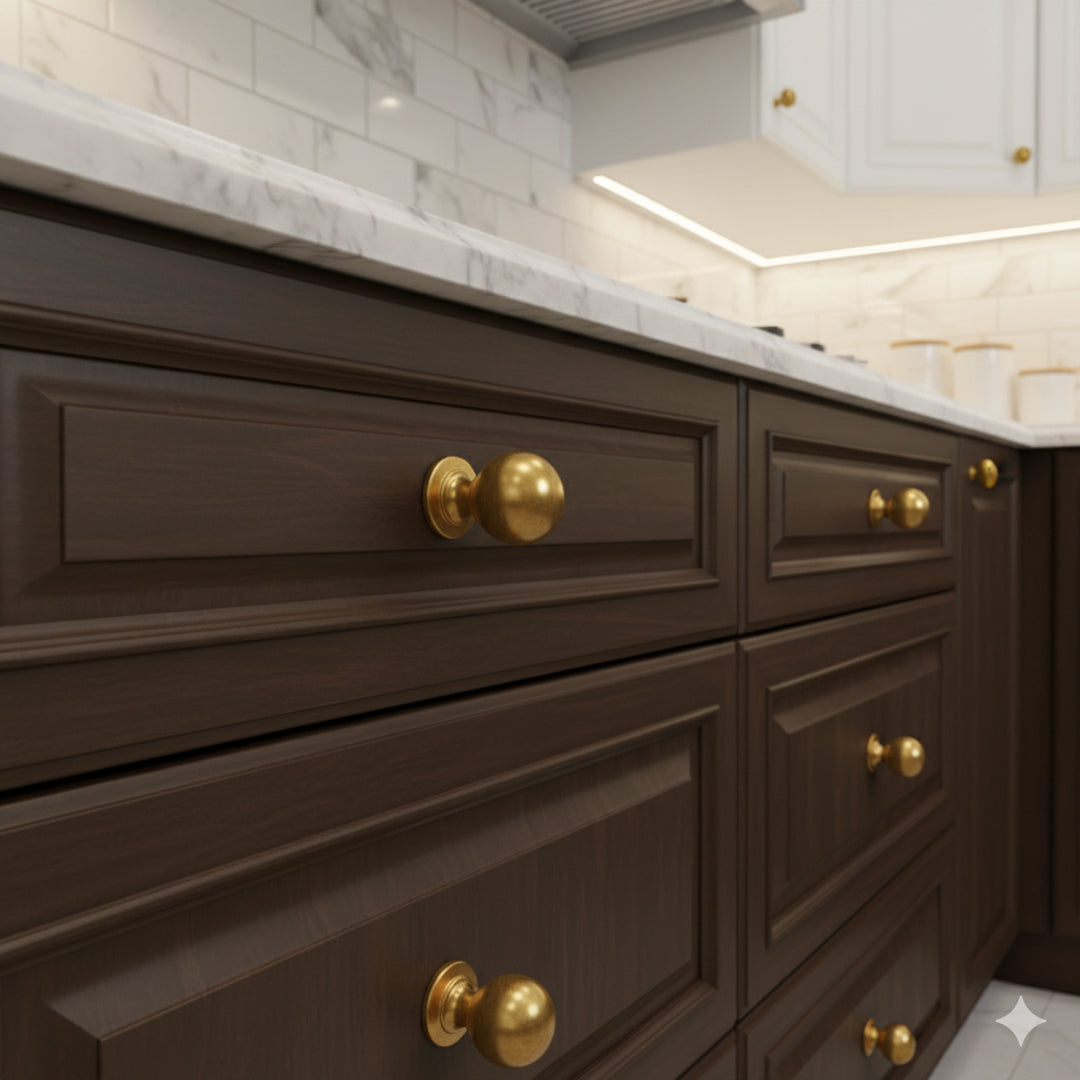
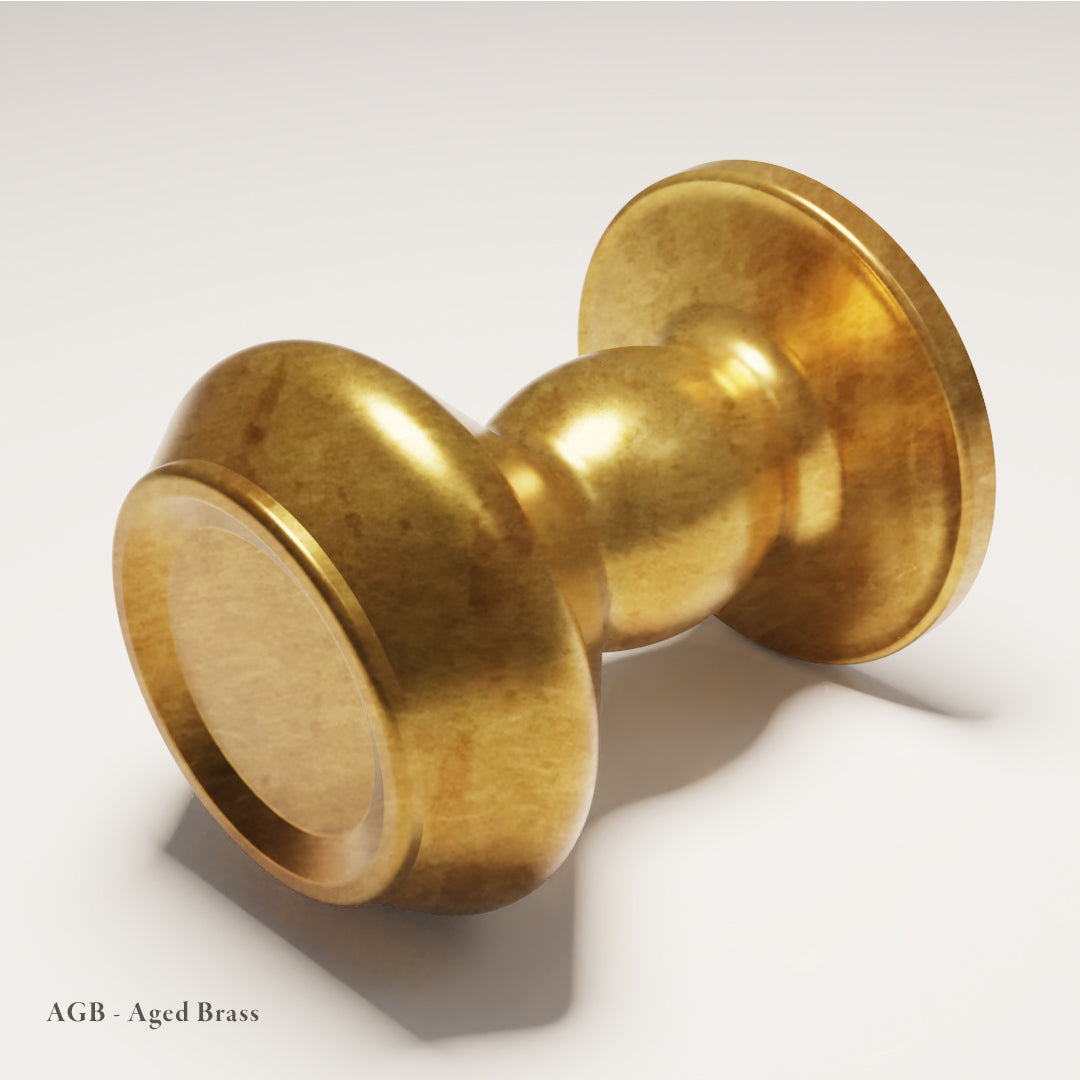
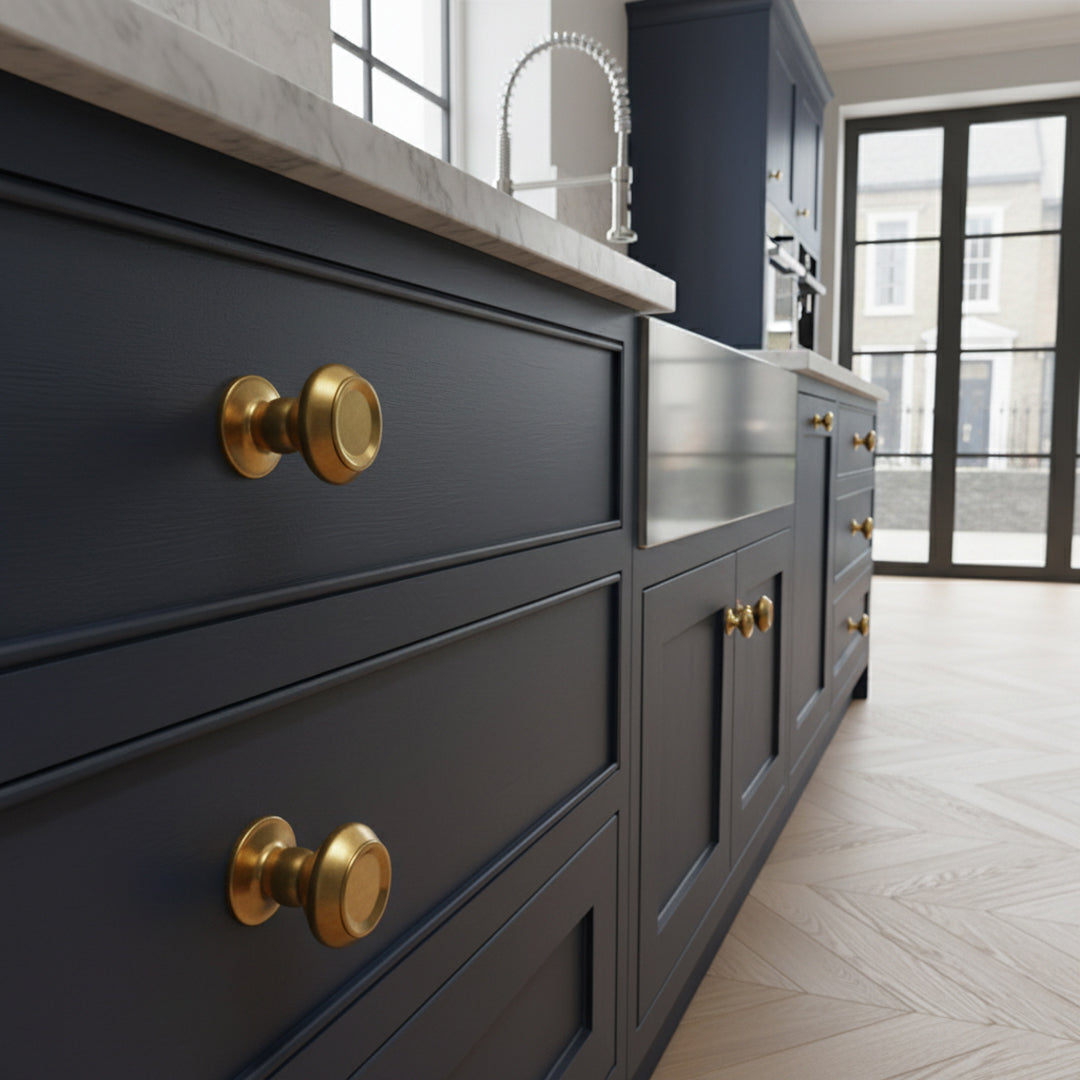
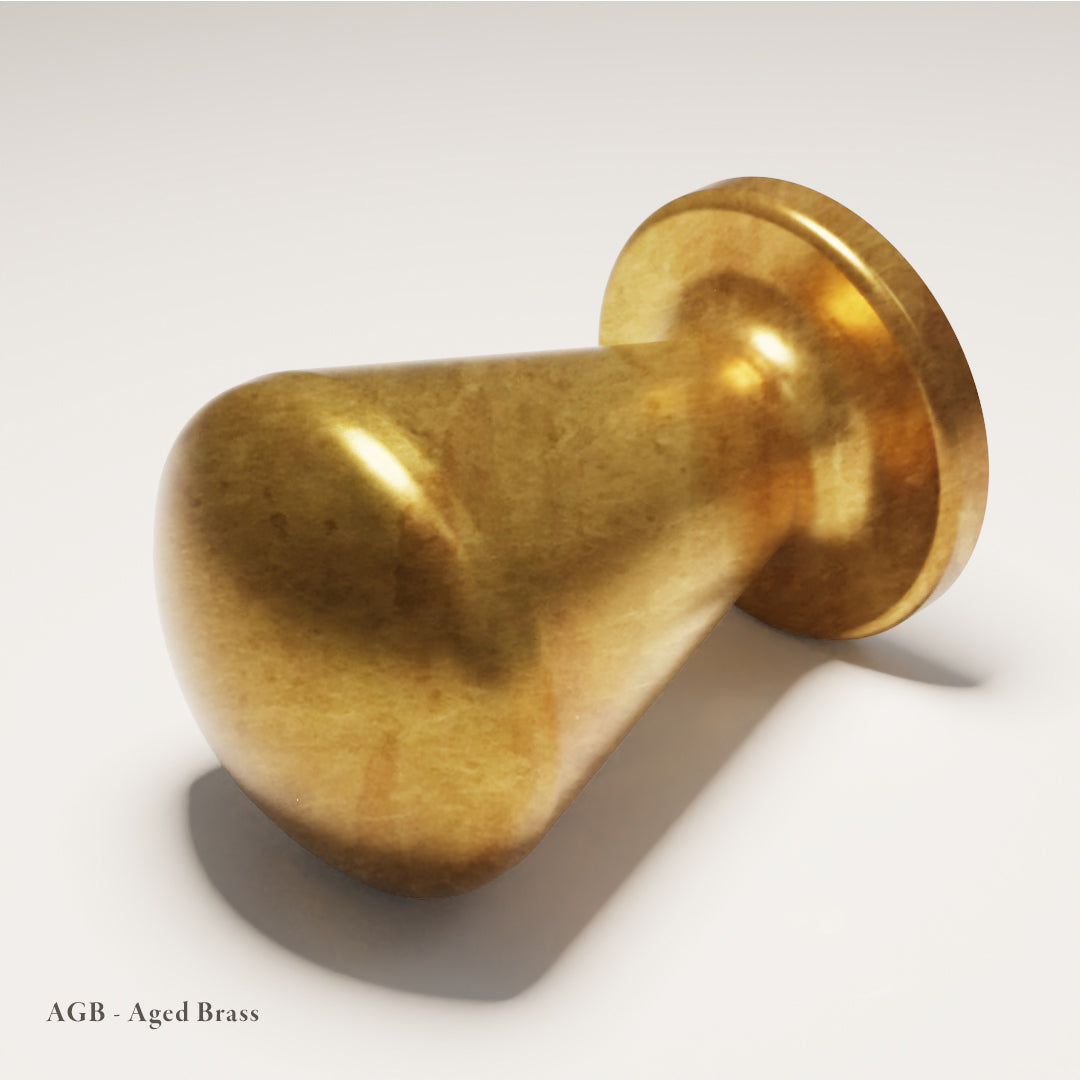
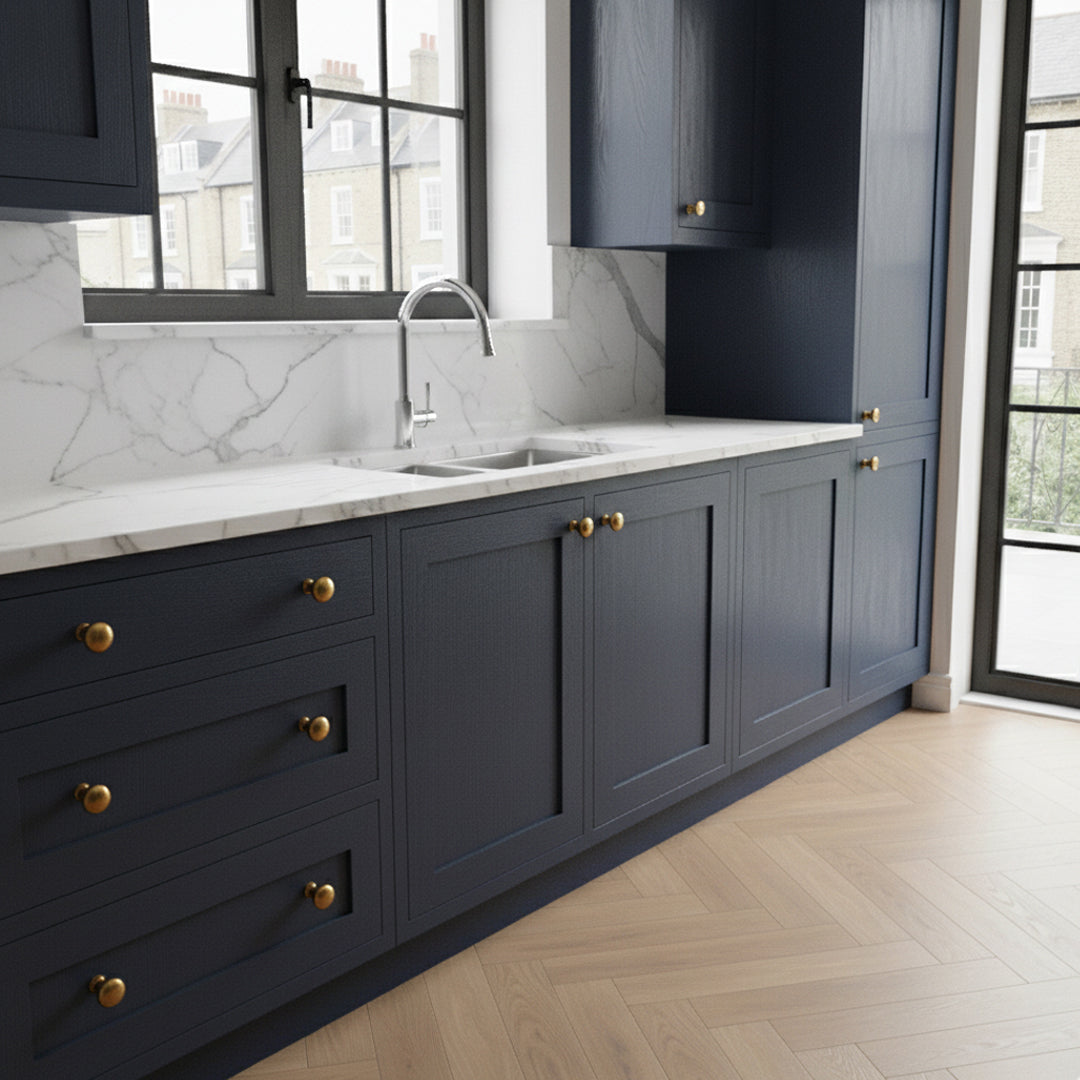
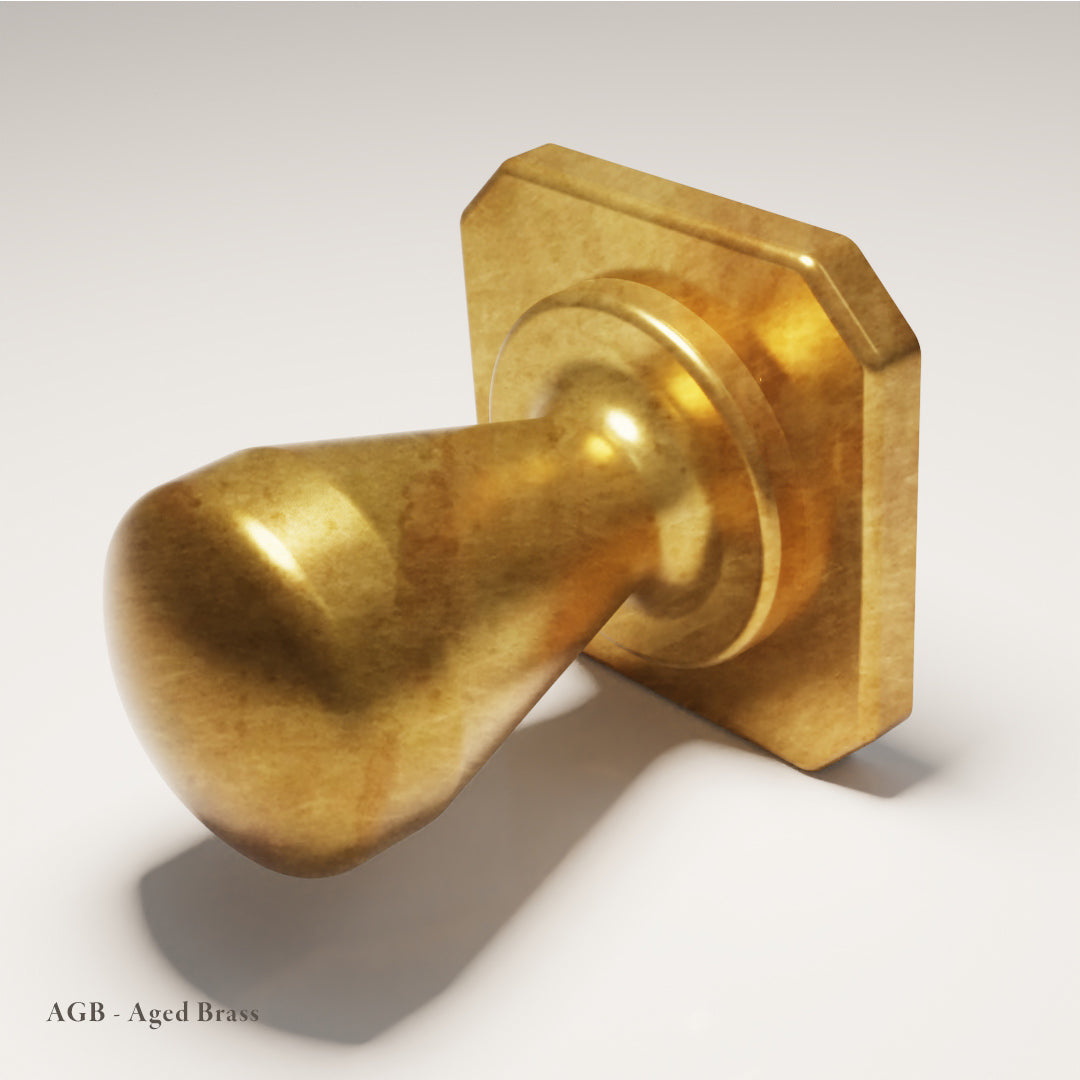
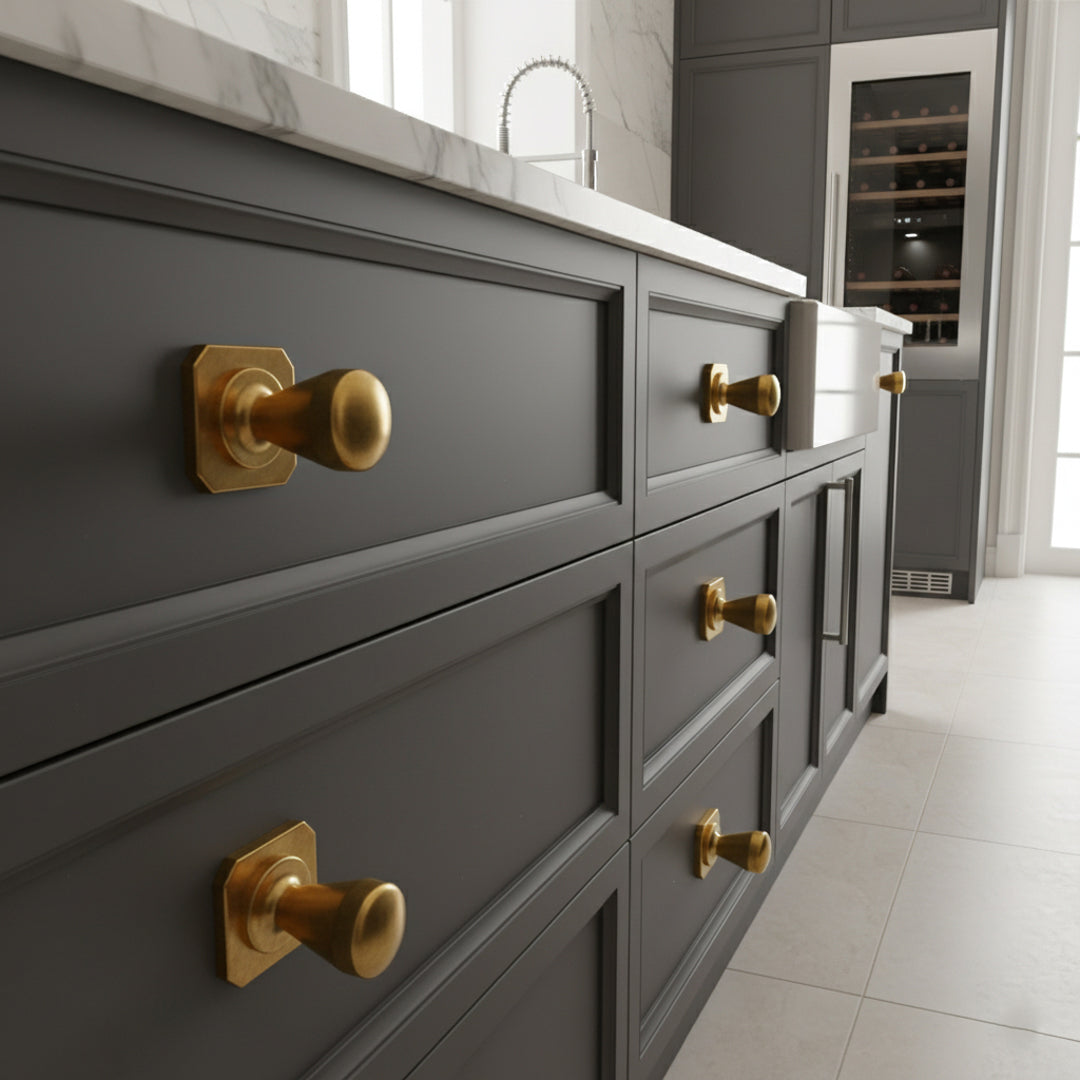
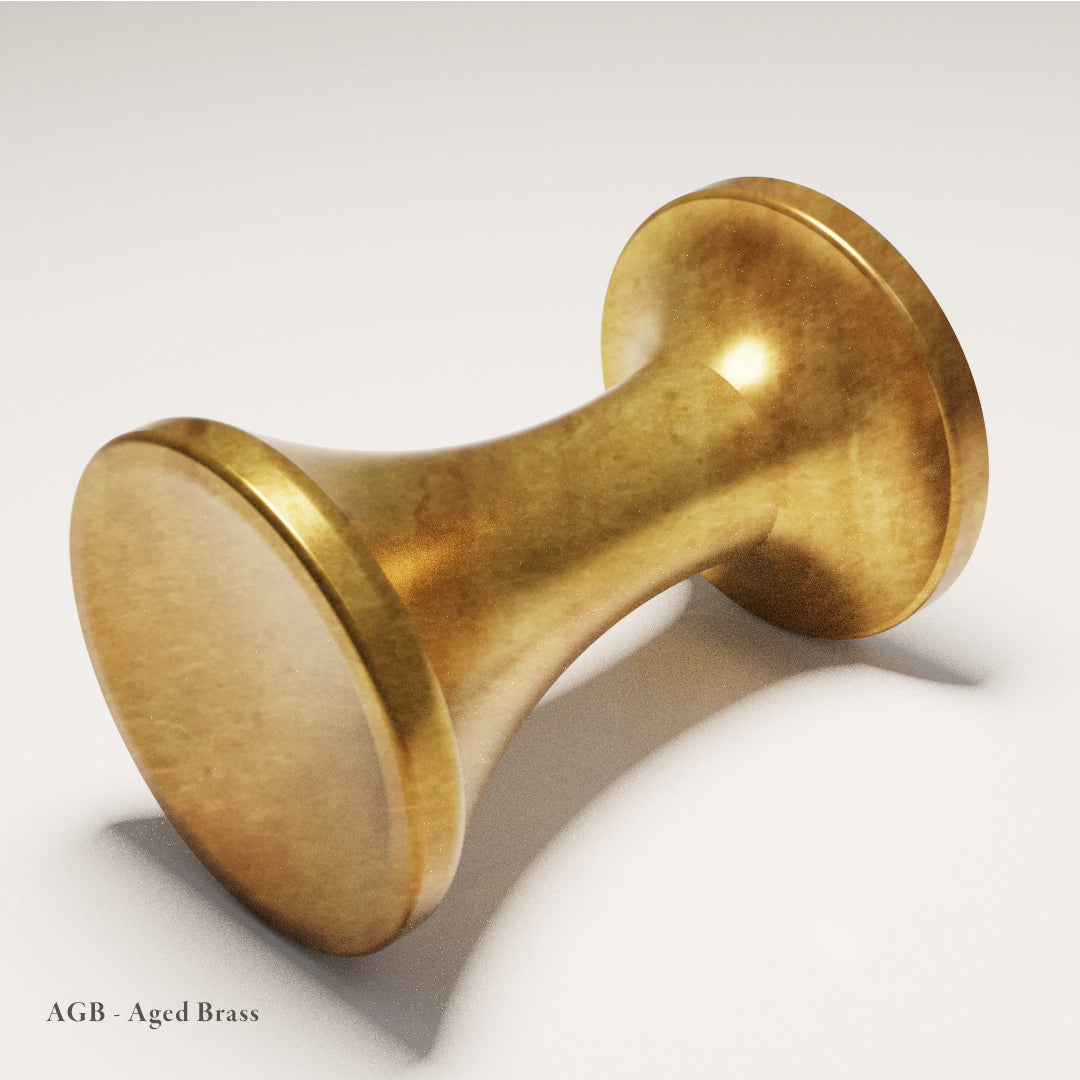
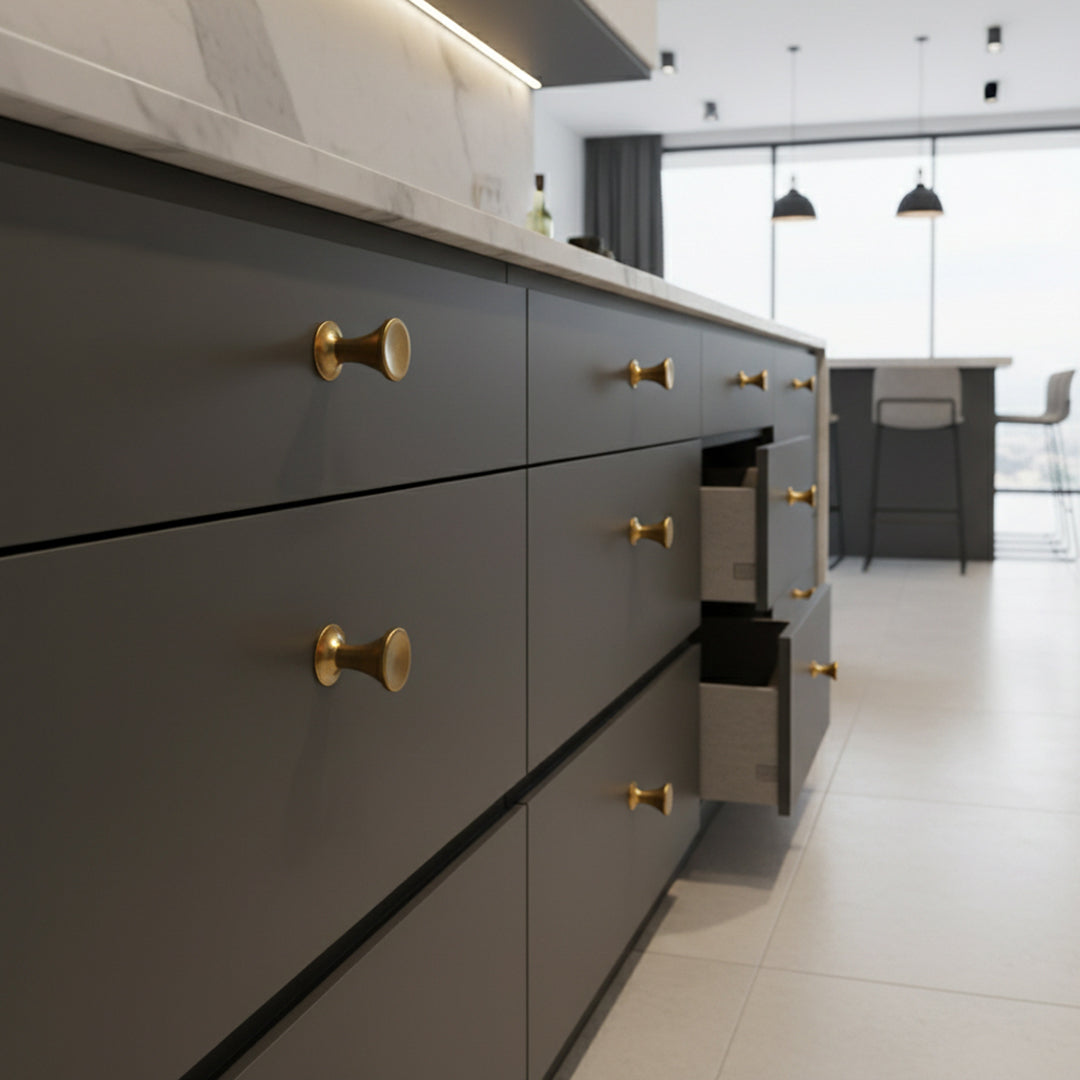
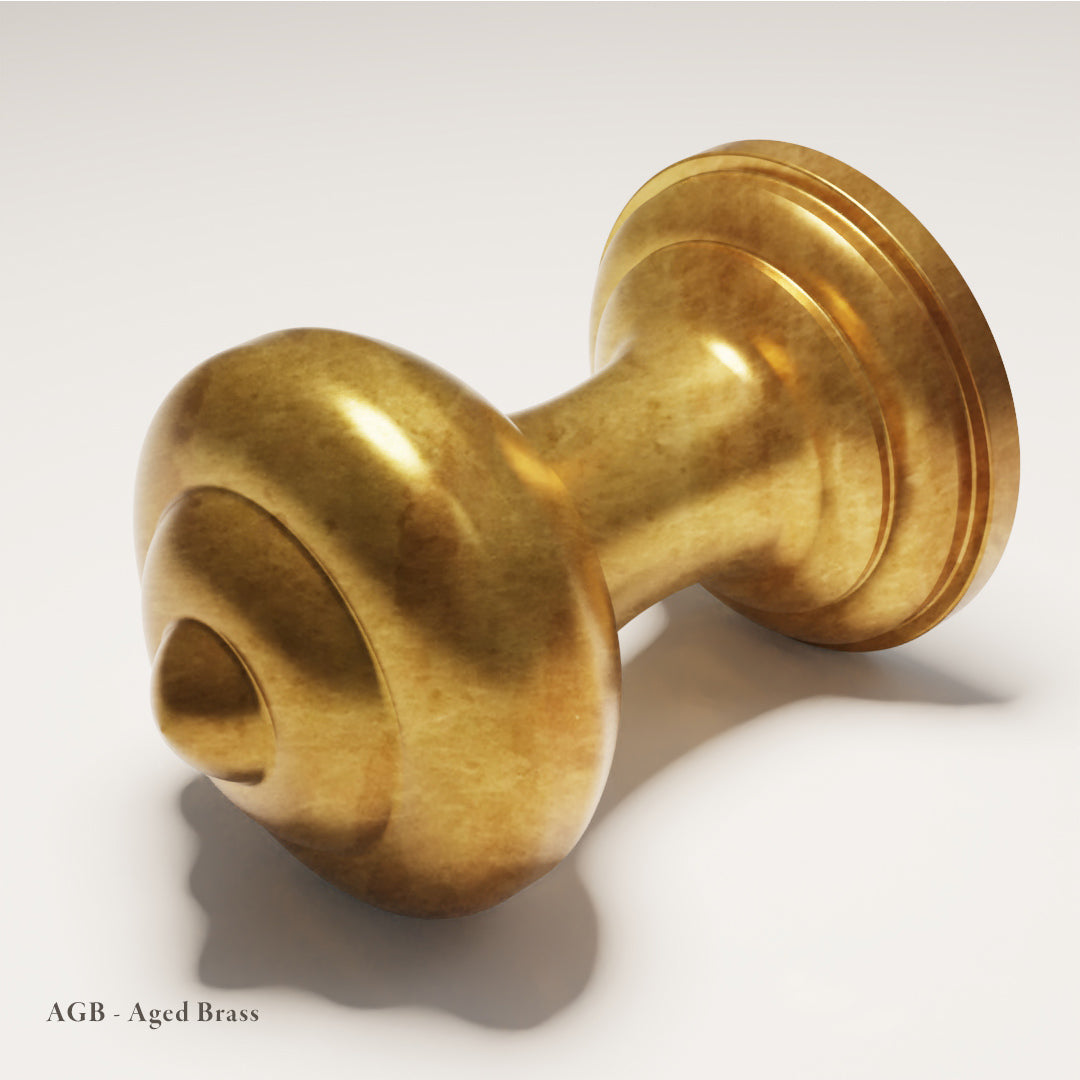
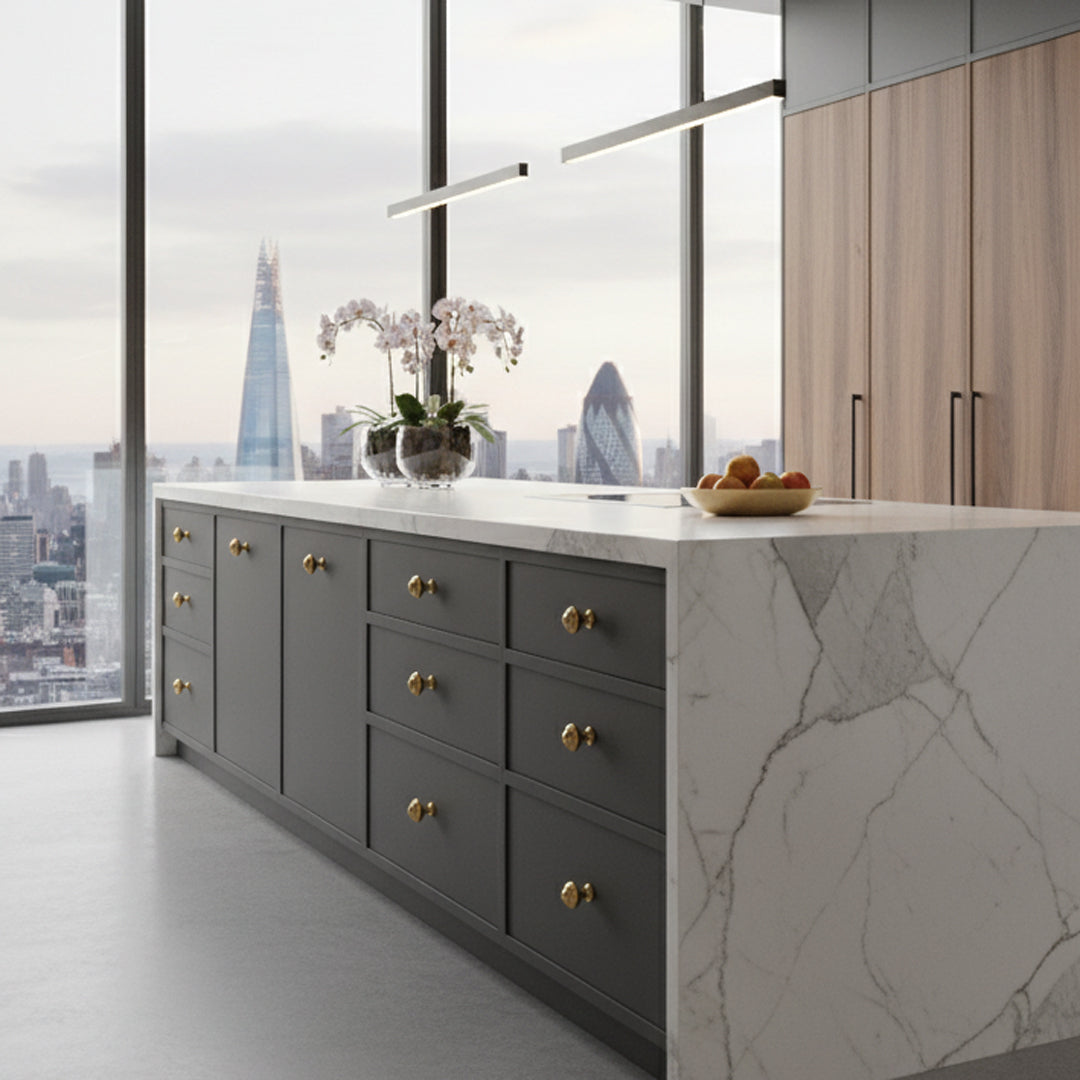
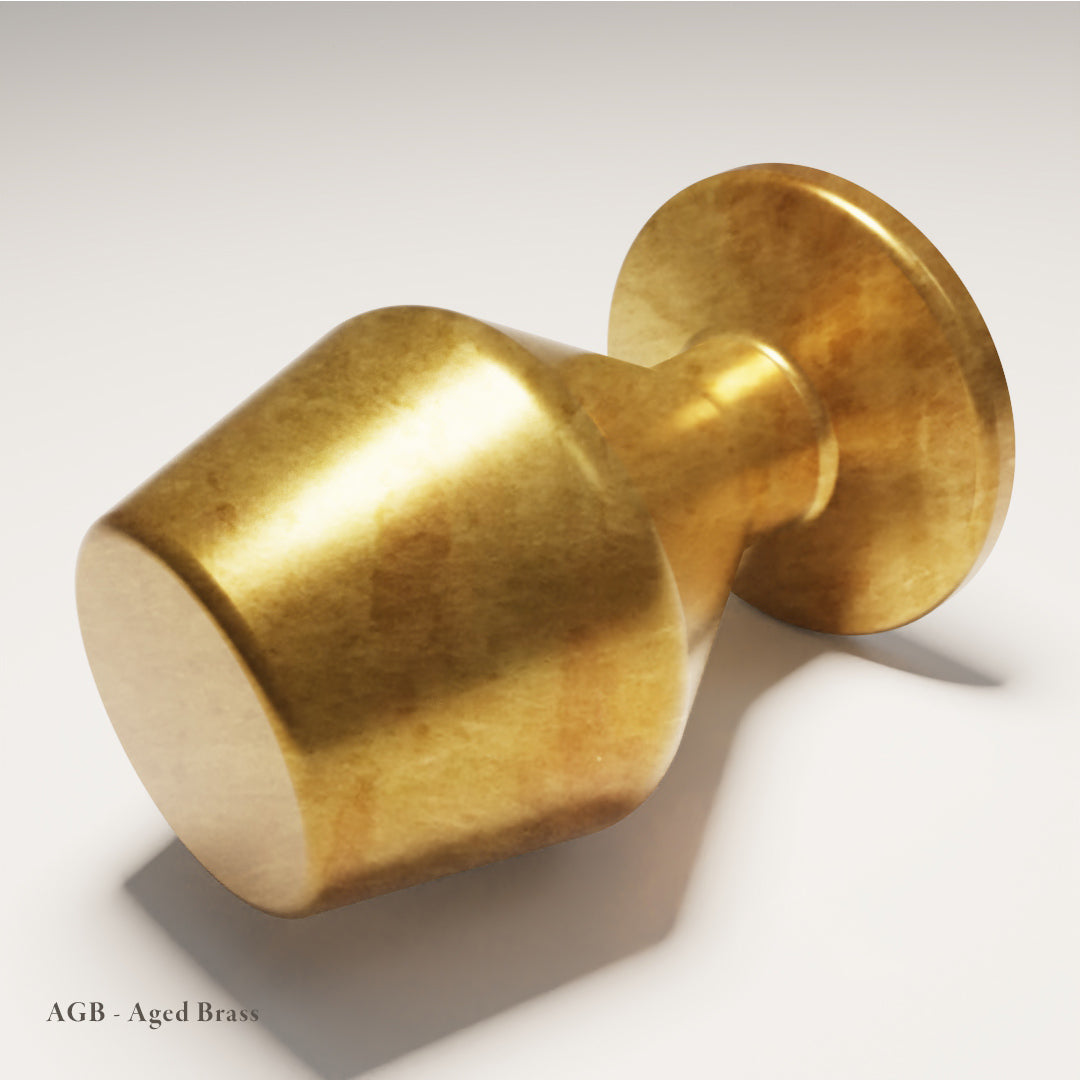
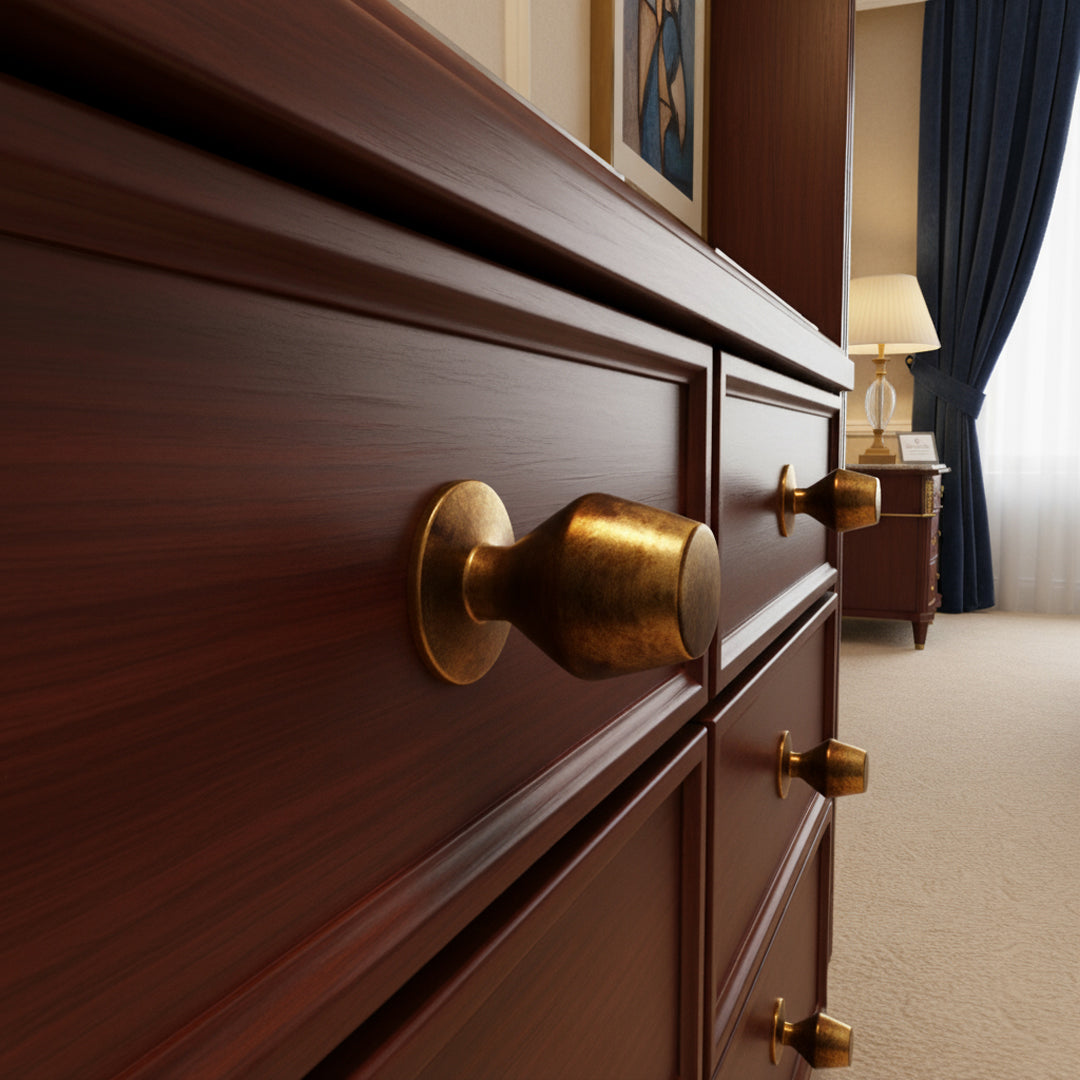
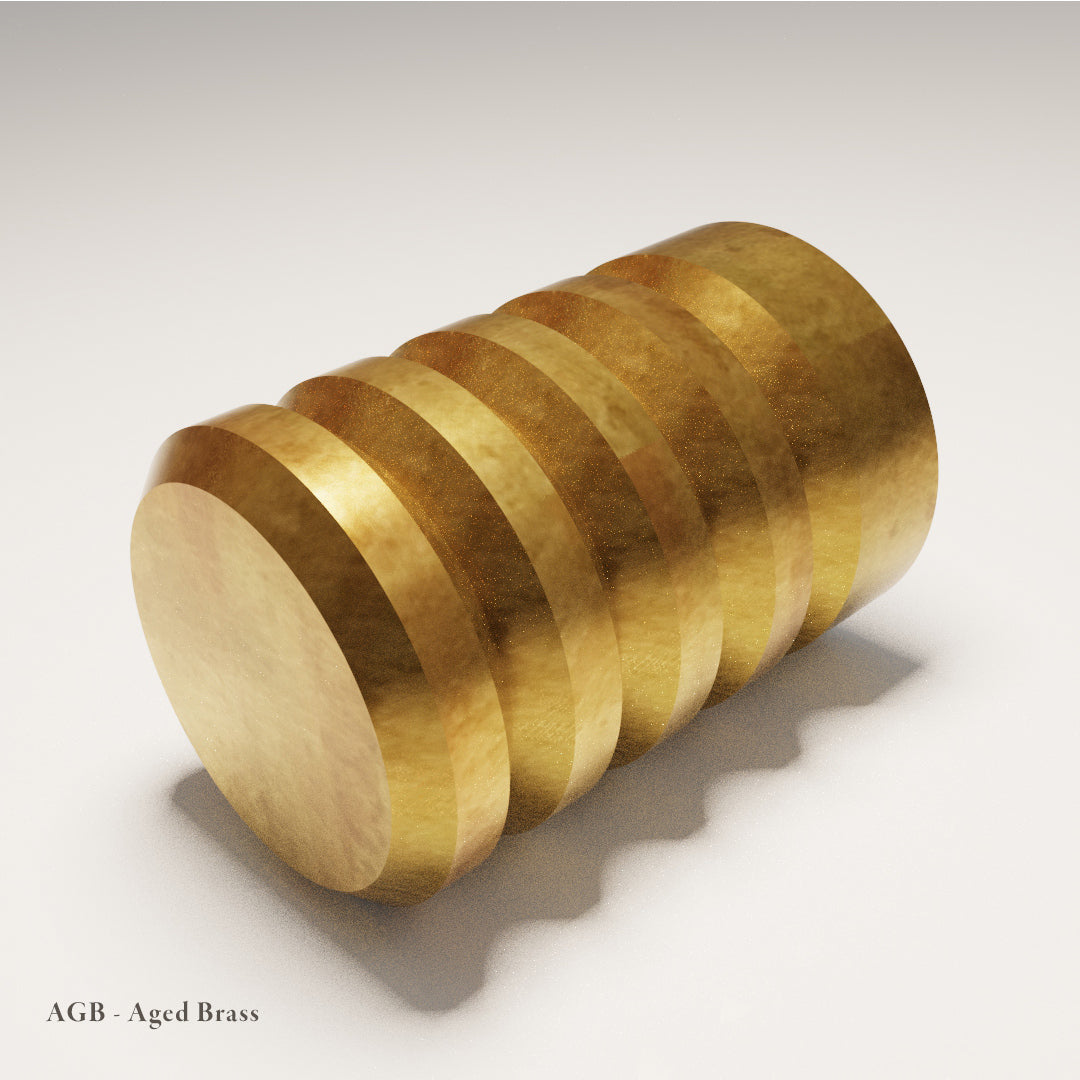
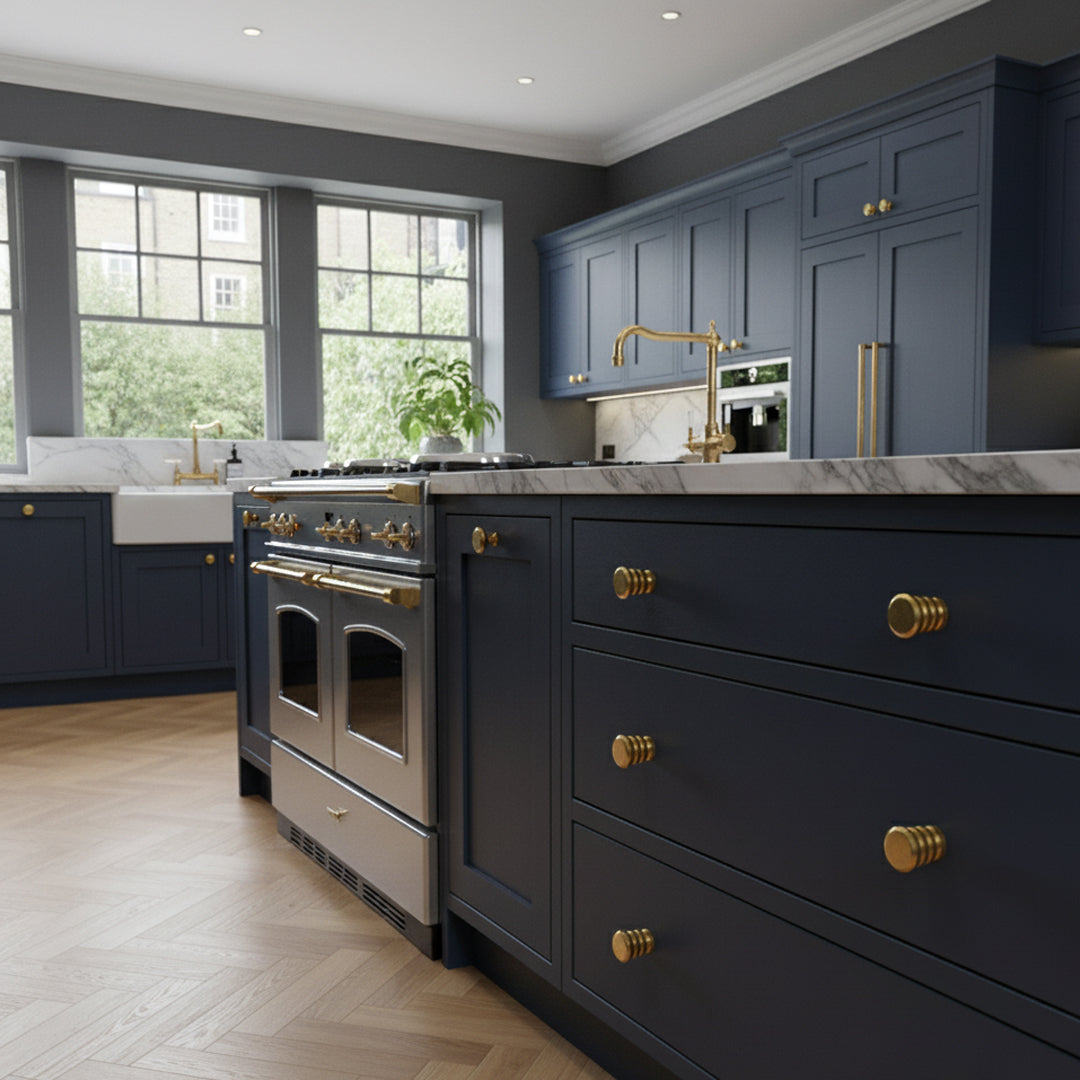
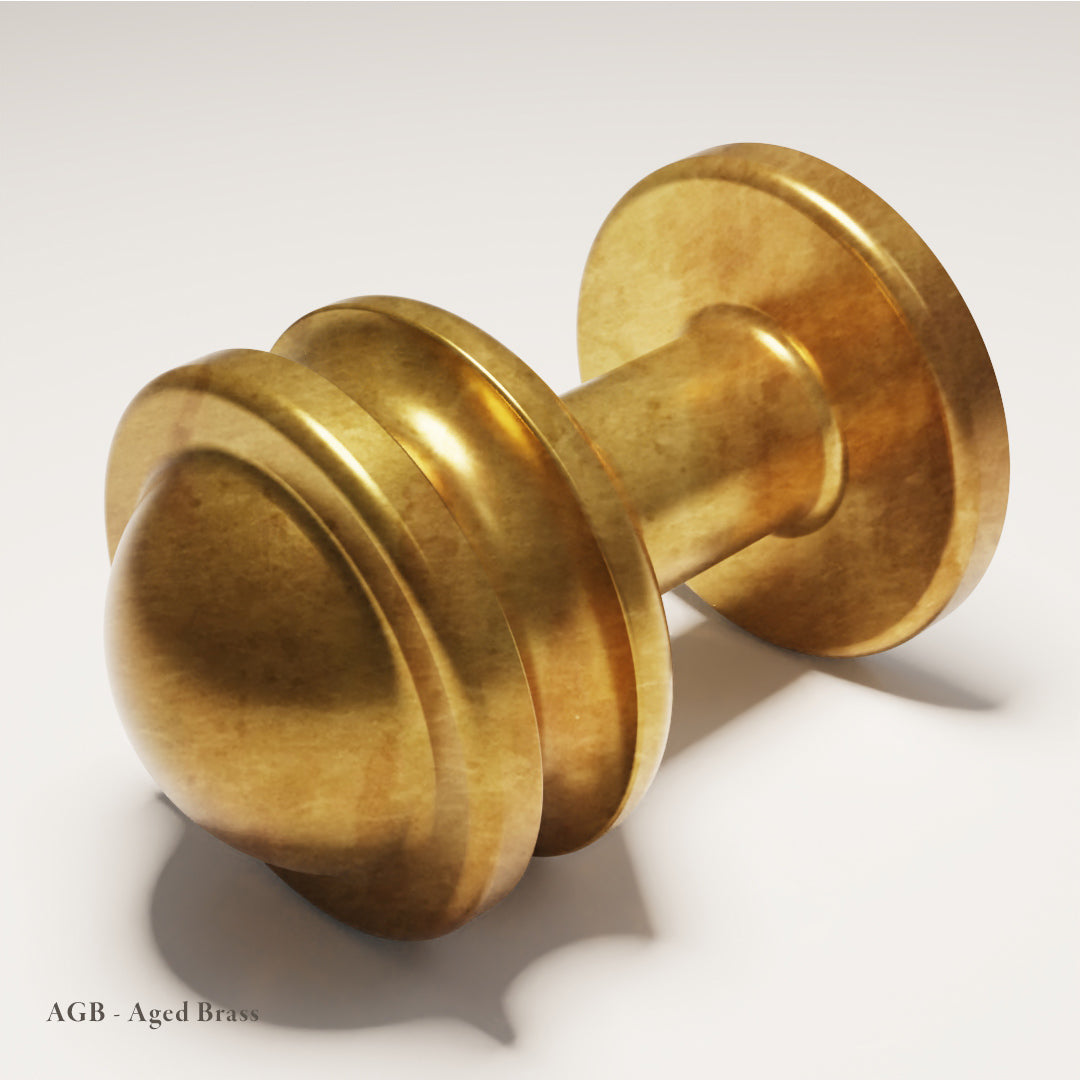
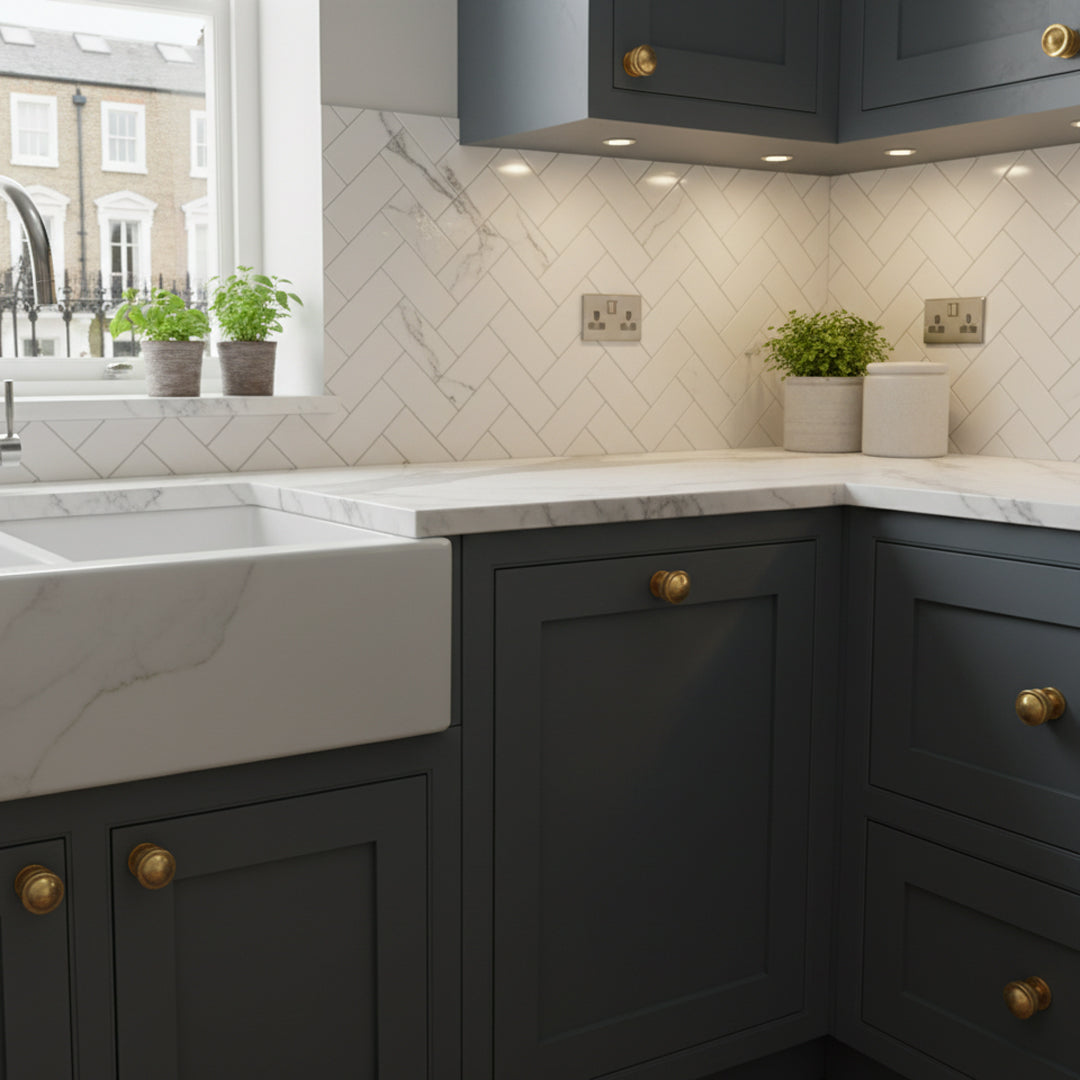
Capramont & Co cabinet knobs are made-to-order solid metal hardware, manufactured in England for kitchens, cabinetry, wardrobes, pantries, utilities, dressing rooms, media joinery and fitted furniture. Use this collection when the project needs a smaller hardware detail for cabinet doors, drawers, cupboards and repeated positions where a handle would feel too strong.
Use this page to compare cabinet knob families, diameter, projection, hand feel, fixing position, finish route and room use before shortlisting products. For live projects, send drawings, elevations, room quantities or finish requirements before ordering so the knob specification can be checked before production.
Cabinet knob specification checks
| Diameter | Diameter controls visual weight and hand feel. Smaller knobs suit secondary doors and light drawers; larger knobs suit larger doors, wardrobes and furniture-led positions that need more presence. |
| Projection | Check projection and grip clearance on cabinet doors, drawers, wardrobes and cupboards. A knob should be easy to use without feeling too proud on narrow walkways or tight joinery runs. |
| Fixing position | Cabinet knobs are usually single-fixing hardware, but placement still matters. Confirm height, margin from edge and repeat positions before drilling doors and drawer fronts. |
| Finish route | Aged brass, bronze, black, satin brass, satin stainless and selected Atelier metals can move the same knob profile from classic joinery to modern, decorative or performance-led interiors. |
| Schedule control | For kitchens, wardrobes, utilities, pantries and whole-home joinery, keep product family, diameter, finish, quantity and placement notes in one hardware schedule before production. |
Cabinet knob family routes
| Quiet classic | Harrington and Farringdon are strong starting points for painted cabinetry, kitchens, wardrobes and lighter traditional joinery where the knob should feel balanced and familiar. |
| Turned and softened | Brunswick and Varndell suit classic shaker, panelled joinery, pantries, utilities and furniture-led rooms where rounded form and traditional tactility matter. |
| Decorative detail | Burlington, Eccleston and Egerton are better suited to Art Deco, Linear Deco, stepped, ribbed or more decorative cabinetry where the knob should add visible detail. |
| Modern restraint | Lexham, Melbury and Maddox suit modern, minimalist, Mid-Century or Scandinavian-influenced cabinetry where a smaller hardware detail is preferable to a long handle. |
Cabinet knob quick specification answer
| Best applications | Small cabinet doors, lighter drawers, wardrobes, cupboards, bedside furniture, bathroom furniture, pantry cabinetry and repeated secondary positions. |
| Measure first | For replacement work, check the existing fixing hole, door thickness and knob footprint before ordering. For new joinery, agree knob placement before drilling. |
| Use with handles | Knobs often work best with handles on larger drawers and tall doors. Keep the same collection, finish route or design language so the hardware schedule feels intentional. |
| Main risk | Wrong diameter, inconsistent placement, excessive projection or mixing too many knob families can make a premium joinery package feel unresolved. |
| Best next step | Shortlist one knob family, confirm diameter and finish, then review the room schedule before release if the project includes several rooms or repeated cabinetry. |
When cabinet knobs are the right choice
Choose cabinet knobs when a door, drawer or cupboard needs a compact touch point rather than a long pull. Knobs are especially useful for upper cabinets, smaller doors, secondary drawers, wardrobes, furniture-led joinery and rooms where the hardware should support the design without drawing a strong horizontal line.
For larger drawers, tall larders, appliance-height fronts or heavier doors, cabinet handles may provide better grip and scale. For compact modern positions, T-bars may be a better bridge between a knob and handle. For traditional drawer banks, cup pulls may be more appropriate.
Project and finish support
Capramont & Co cabinet knobs are manufactured in England for specification-led interiors. Knobs can be selected by family, diameter, projection, finish, material route and room use, with finish sign-off and project review available before production.
For whole-home joinery packages, keep knob decisions inside one controlled schedule. This helps the kitchen, pantry, utility, wardrobes, bathroom furniture, media joinery and fitted furniture stay aligned across finish, quantity and placement.
Related specification routes
Hardware Type · Hardware Finder · Cabinet Handles · T-Bar Cabinet Handles & Pulls · Cup Pulls · C Pulls · Finish Sign-Off Knob · Heritage Finish Knobs Palette · Specification Centre · Send Project / Drawing Details
A note on specification
Knob size, grip and projection should be checked against the actual drawer or door front.